Tell us about the job
Takes about a minute. No obligation.
A boiler in Teton County cycles its burner and ignition system hard from the first cold week of fall through late spring. Homes in Teton County, MT run heat about ten months a year, from September through June. By the time a system fails, the igniter, the heat exchanger, and the burner assembly have logged the kind of accumulated wear that shows up as cracked seals, fouled flame sensors, and ignition faults. A contractor arriving for a repair checks those components first, because that is where the load settles.
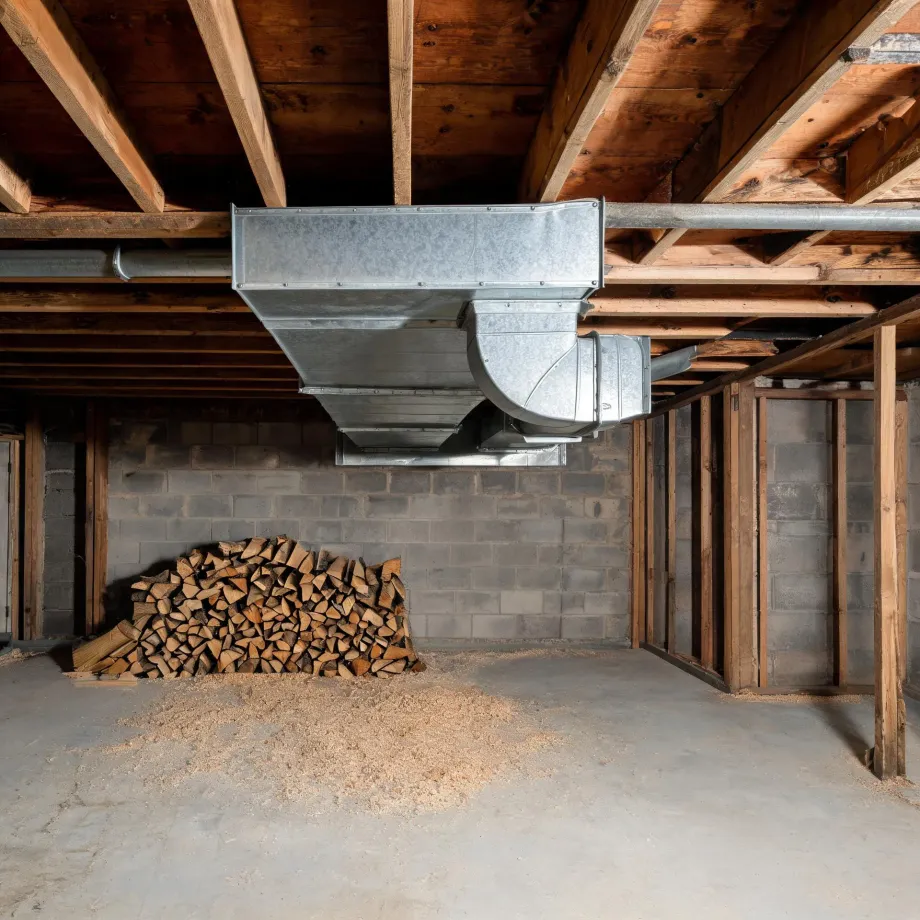
Piping layouts and zone configurations in a house this old were built around whatever heated it then, and what a contractor finds inside the walls often has little overlap with the boiler running now. Half the homes in Teton County, Montana were built in 1962 or earlier (2020-2024 ACS 5-year). That gap is where repair calls get complicated: a part fails, the boiler opens, and the real question becomes whether the distribution side was ever matched to the current system or just left in place when someone swapped the heat source. Radiators with blocked vents, undersized supply lines, and zone valves added decades after the original install all change what a repair costs and what it fixes.
The Parts of a Boiler a Contractor Checks First
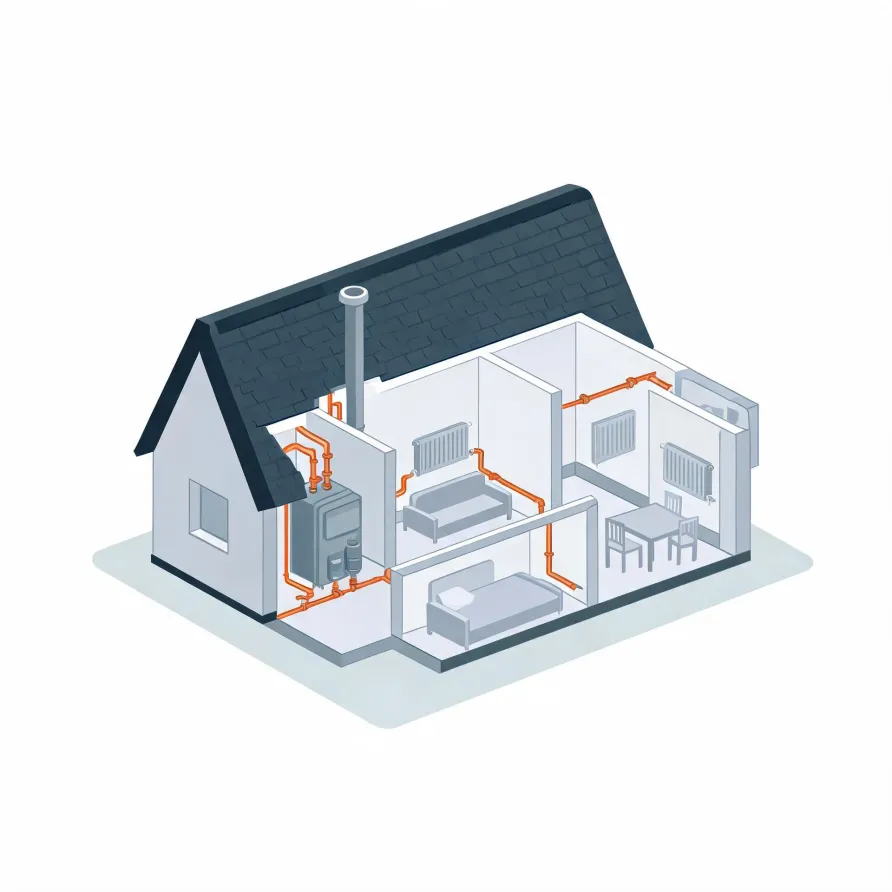
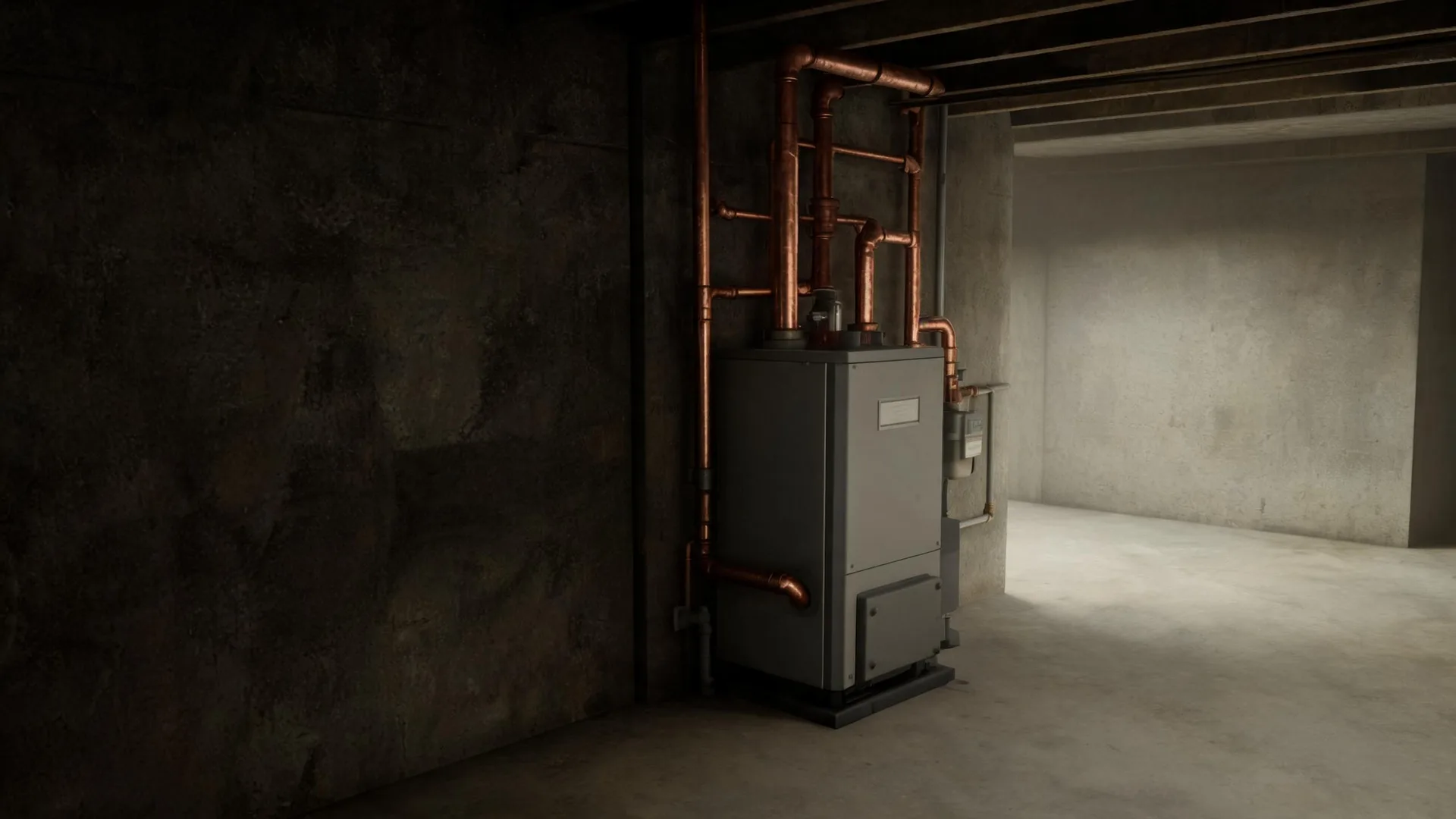
The boiler itself sits in the basement or a utility room and is the piece a contractor reaches first. It heats water and pushes it through the system. When heat stops or runs unevenly, the burner assembly, heat exchanger, or pressure vessel inside the boiler is usually where the problem starts.
Circulator pumps move the heated water out to the rest of the house, and zone valves direct it to specific areas. The expansion tank, typically wall-mounted near the boiler, absorbs pressure changes as the water heats. Thermostats and aquastats tell the system when to fire and at what temperature, so a fault in any of those controls shows up as a heating complaint even when the boiler itself is fine.
The drawing shows the general layout of a boiler system, and a licensed contractor determines which components apply in your particular house.
Find a contractor in Teton CountyTeton County by the numbers
206 severe weather events were recorded in Teton County, Montana between 2015 and 2024.
NOAA National Centers for Environmental Information, Storm Events Database, bulk CSV export, events 2015-01-01 through 2024-12-31.Half the homes in Teton County, Montana were built in 1962 or earlier (2020-2024 ACS 5-year).
U.S. Census Bureau, 2020-2024 American Community Survey 5-Year EstimatesTeton County, Montana holds 2,945 housing units (2020-2024 ACS 5-year).
U.S. Census Bureau, 2020-2024 American Community Survey 5-Year EstimatesOwners occupy 75.5% of the occupied homes in Teton County, Montana (2020-2024 ACS 5-year).
U.S. Census Bureau, 2020-2024 American Community Survey 5-Year EstimatesBoiler Repair Rules and Standards on the Books for Teton County, Montana2 codes, laws, and standards
Licensing Rules for HVAC Repair in Teton County, Montana
Montana’s contractor licence does not reach a casual, minor or inconsequential job whose total price for labour, materials and everything else is less than $2,500 — and the exemption is lost if the work is only part of a larger operation, or if a job is divided up to get under the figure.
Montana requires a current construction contractor licence from the Department of Labor and Industry: an individual or business may not engage in business as a construction contractor without one.
Severe Weather Events in Teton County
Extreme weather puts direct strain on heating equipment, accelerating wear and pushing systems toward failure at the worst times. Boiler repair in this part of Montana is shaped by local conditions, and the record below shows what those conditions have looked like year by year.
206 severe weather events, 2016–2024. Source: NOAA National Centers for Environmental Information, Storm Events Database.