Tell us about the job
Takes about a minute. No obligation.
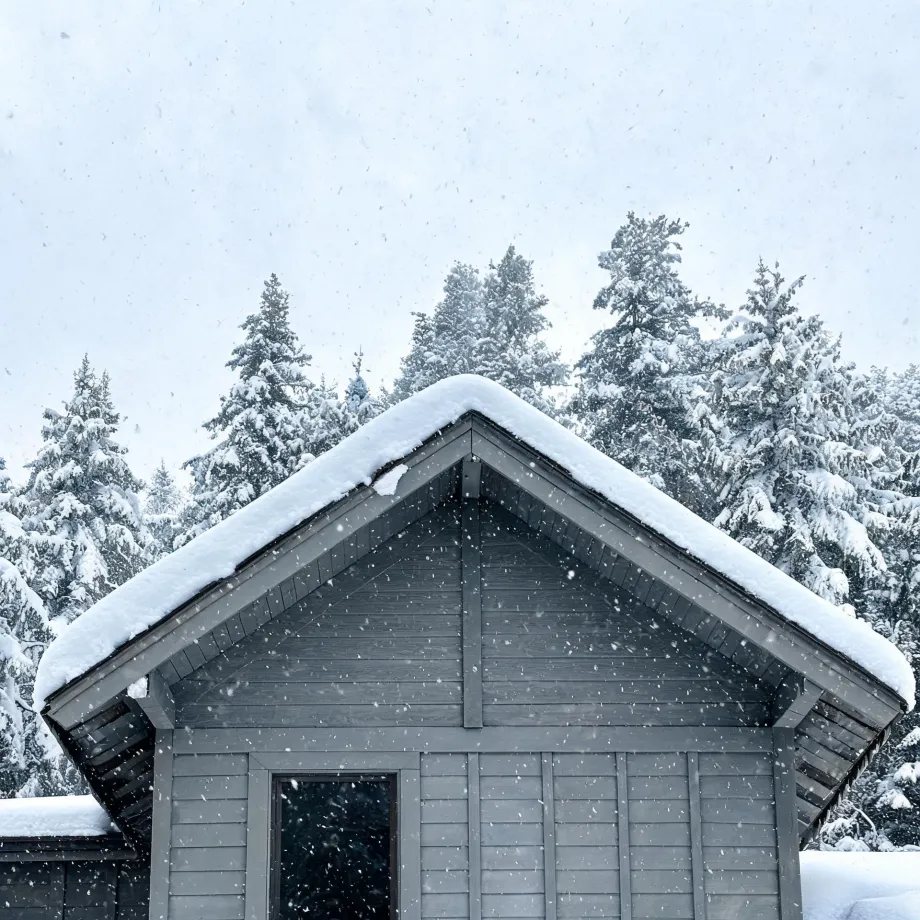
The burner, the ignition system, and the heat exchanger in a Cascade County boiler carry the bulk of what eventually breaks. Homes in Cascade County, MT run heat about ten months a year, from September through June. A contractor called out for a repair examines those cycling components first, because that is where accumulated stress shows up: cracked heat exchanger sections, igniter degradation, and burner ports fouled from seasons of continuous use. A boiler that has had little time off the firing cycle earns its wear in those parts specifically, and a repair quote that skips them is working from the wrong list.
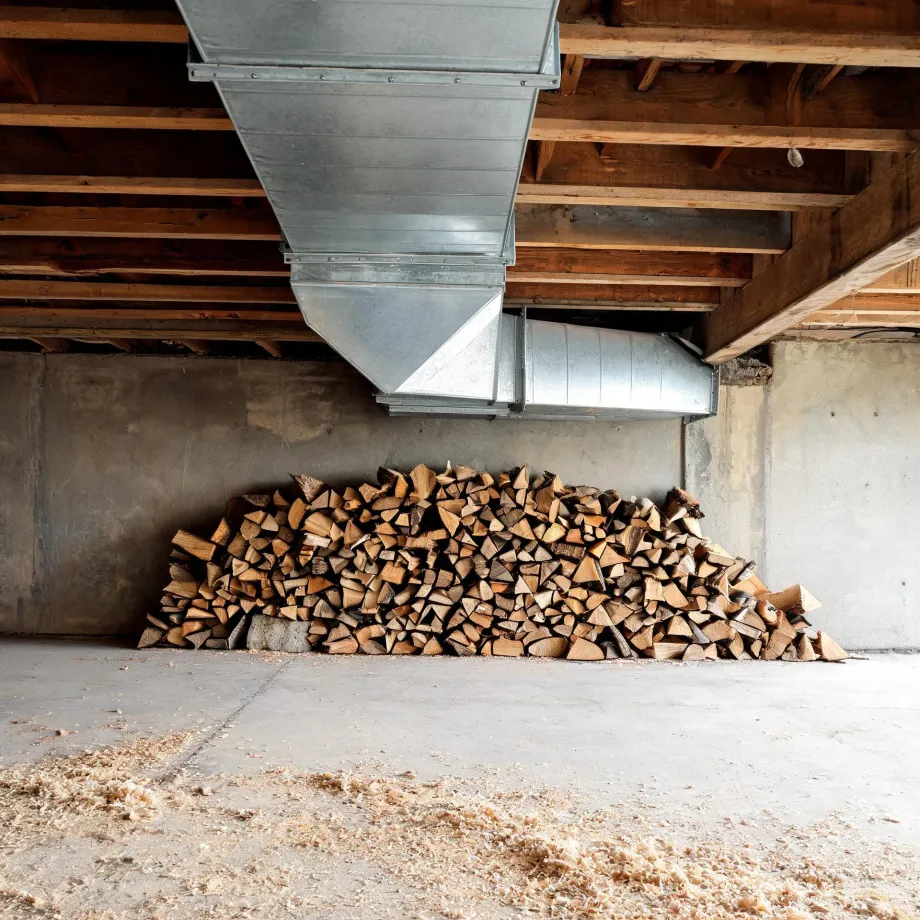
Pipes that have been re-routed, zone valves added by a succession of different contractors, and expansion tanks that have been swapped without anyone rebalancing the system: these are what a contractor opening up a boiler repair here is working around. Half the homes in Cascade County, Montana were built in 1970 or earlier (2020-2024 ACS 5-year). Stock of that vintage was built around heating systems that looked nothing like what is running in many of those houses today, and the distribution side accumulated its own repairs across those same years. A corroded section of supply line or a zone valve that is barely seating can make the boiler itself look like the problem when it is not the source.
The Parts of a Boiler a Contractor Checks First
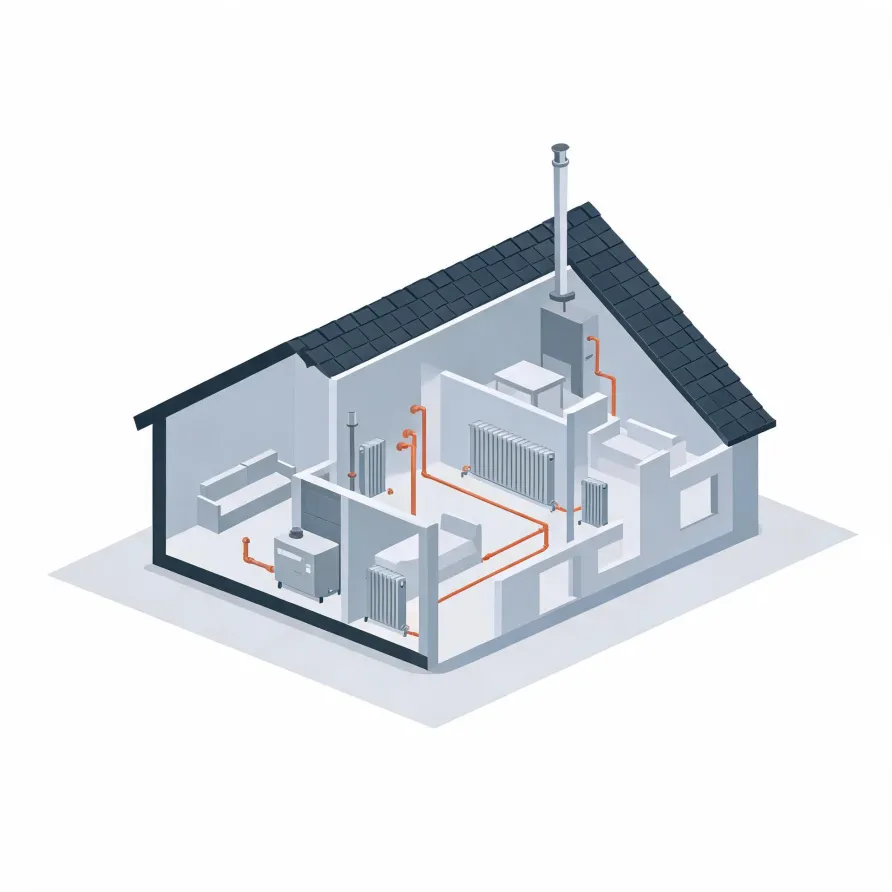
The boiler itself sits in the basement or mechanical room and is the piece a contractor goes to first. It heats water and pushes it through the system. When it fails, symptoms range from no heat at all to uneven temperatures room to room. The heat exchanger inside it, the burner, and the ignition components are the usual suspects.
From the boiler, pipes carry hot water to radiators or baseboard units in each room, then back again. The circulator pump moves water through that loop, and the expansion tank nearby absorbs pressure changes. A failing pump or a waterlogged expansion tank can mimic boiler trouble, so a contractor checks both.
The drawing shows a representative layout, and a licensed contractor determines which components and conditions apply to your specific home.
Find a contractor in Cascade CountyCascade County, by the numbers
222 severe weather events were recorded in Cascade County, Montana between 2015 and 2024.
NOAA National Centers for Environmental Information, Storm Events Database, bulk CSV export, events 2015-01-01 through 2024-12-31.Half the homes in Cascade County, Montana were built in 1970 or earlier (2020-2024 ACS 5-year).
U.S. Census Bureau, 2020-2024 American Community Survey 5-Year EstimatesCascade County, Montana holds 39,497 housing units (2020-2024 ACS 5-year).
U.S. Census Bureau, 2020-2024 American Community Survey 5-Year EstimatesOwners occupy 68.5% of the occupied homes in Cascade County, Montana (2020-2024 ACS 5-year).
U.S. Census Bureau, 2020-2024 American Community Survey 5-Year EstimatesBoiler & HVAC Repair Rules on the Books for Cascade County, Montana2 sourced regulations & standards
Licensing Rules for HVAC Repair in Cascade County, Montana
Montana’s contractor licence does not reach a casual, minor or inconsequential job whose total price for labour, materials and everything else is less than $2,500 — and the exemption is lost if the work is only part of a larger operation, or if a job is divided up to get under the figure.
Montana requires a current construction contractor licence from the Department of Labor and Industry: an individual or business may not engage in business as a construction contractor without one.
Severe Weather Events in Cascade County
Boilers work hardest when the weather outside pushes hardest against the walls. How much stress local conditions put on heating equipment is a Cascade County question, not a national average.
222 severe weather events, 2015–2024. Source: NOAA National Centers for Environmental Information, Storm Events Database.