Profile view of a bearded man wearing a dark baseball cap and a dark gray T-shirt against a plain off-white background.

Why your boiler keeps turning off in Montana

Step 1 of 3: Equipment

A boiler that shuts off on its own is usually tripping a safety switch on purpose, not failing at random. The most common cause is low water pressure, which the pressure switch catches before the system can run dry and damage the heat exchanger. Another common cause is a flame sensor or pilot sensor that's dirty or wearing out, so the boiler lights, then cuts out because it can't confirm the flame is steady. A clogged condensate line or a blocked vent can do the same thing, since the boiler is built to stop rather than keep burning gas without a safe way to exhaust it. In Montana, where most homes run on gas heat through long, cold winters, a boiler that keeps shutting off needs a straight answer fast, not a guess. Figuring out which of these it is takes someone checking pressure, flame signal and venting in person, not from a description over the phone.

A woman with shoulder-length dark brown hair in a cream knit cardigan sits in an upholstered armchair beside a window, looking off to the side, with a white bookshelf and potted plant blurred behind her.
A woman with dark hair in a bun sits wrapped in a chunky knit blanket on a couch with a child resting his head on her shoulder, eyes closed, beside a lit lamp and bookshelf indoors.

Every one of these shutdowns starts with a switch doing its job. The draft inducer has to pull exhaust before the burner is allowed to fire, and the pressure switch holds the system closed until that airflow checks out. Once the flame lights, the flame sensor has a few seconds to confirm it's burning steady, or the control board cuts gas on its own. If water isn't circulating the way it should, maybe a zone valve is stuck or the pump is on its way out, the water temperature climbs and the high limit switch shuts things down before the heat exchanger takes damage. High-efficiency boilers add another failure point: the condensate trap has to stay clear, because a clog there trips a float switch and stops the unit outright. Igniters wear out after enough cycles, and a weak one can light the flame too slowly to pass the sensor's check. Even a cold snap can be the cause, not the boiler itself, if a thermostat wire or limit switch is just responding to a real swing in temperature. A contractor who services boilers all winter in Montana has seen which of these fails most often and checks there first.

What's Actually Tripping the Boiler

  • A pressure switch checks the difference between inlet and outlet pressure and won't let the burner fire if the draft inducer isn't pulling exhaust properly.
  • The flame sensor has to see a steady flame within a few seconds of ignition or the control board cuts gas to the burner as a safety measure.
  • A high limit switch shuts the boiler down if water temperature climbs past a set point, often because of poor circulation from a stuck zone valve or failing pump.
  • Condensate from a high-efficiency boiler has to drain freely, and a clogged condensate trap will trip a float switch and stop the unit cold.
  • The igniter has a limited number of cycles before it weakens, and a weak igniter can light the flame late enough to fail the flame sensor's check.
  • Short cycling on a cold snap often points to a thermostat wire or a limit switch reacting to real temperature swings rather than a random glitch.
A gray-haired man in a dark long-sleeve shirt sits on a gray sofa in a living room, looking toward a sunlit window with sheer curtains.
A gray-haired man in a dark green sweatshirt sits on a sofa in a living room, looking toward a bright window, with a houseplant, lamp, fireplace and framed art behind him.
A gray-haired bearded man in a dark green collared sweater sits on a sofa in a living room with a window, houseplant, floor lamp and bookshelves, looking off to the side.
A gray-haired man in a dark green sweater sits on a sofa in a sunlit living room, looking off to the side, with a framed landscape painting, dining table and shelving behind him.

What a Failing Boiler Costs You

  • A boiler that keeps cutting off in January leaves you without heat on the coldest nights of the Montana winter, not a mild afternoon.
  • Short-cycling strains the ignition system and the heat exchanger, and a repair put off tends to come back as a bigger one.
  • If the boiler shuts off and won't restart, you're troubleshooting a gas-fired system yourself in the cold, which is where people get hurt or make it worse.
  • A boiler that won't hold pressure can leak water near the gas lines and wiring it shares a utility closet or basement with.
  • Calling around for a contractor who knows boilers, rather than someone who mostly does furnaces, costs you time you don't have when the house is cold.
  • Finding someone licensed to work on gas-fired heat, available in your part of Montana, and free this week usually means several calls before you get a yes.

A boiler doesn't pick a convenient time to quit. It happens on a January night, when the temperature outside is the reason you need it most, not on some mild stretch in October. Every time it shuts off and fires back up, the ignition system and the heat exchanger take a small hit. Ignore it a few times and what started as a pressure switch tripping turns into a cracked exchanger or a dead igniter, and that's a bigger job than the one you could have caught early. If it won't restart on its own, the instinct is to open the panel and start checking things yourself. A gas-fired system in a cold basement is not where you want to learn that the inducer motor is seized or the gas valve is stuck. If the boiler is also losing pressure, that water has to go somewhere, and in a lot of Montana homes that utility closet or basement also holds the gas line and the electrical panel. None of that is a reason to wait and see. It's a reason to get someone who actually works on boilers, not just furnaces, since the two don't fail the same way and don't get fixed the same way either. Finding that person on your own, calling around to see who's licensed, who works in your area, and who can get there this week, is its own project, and it's one you can hand off instead of running yourself while the house gets cold.

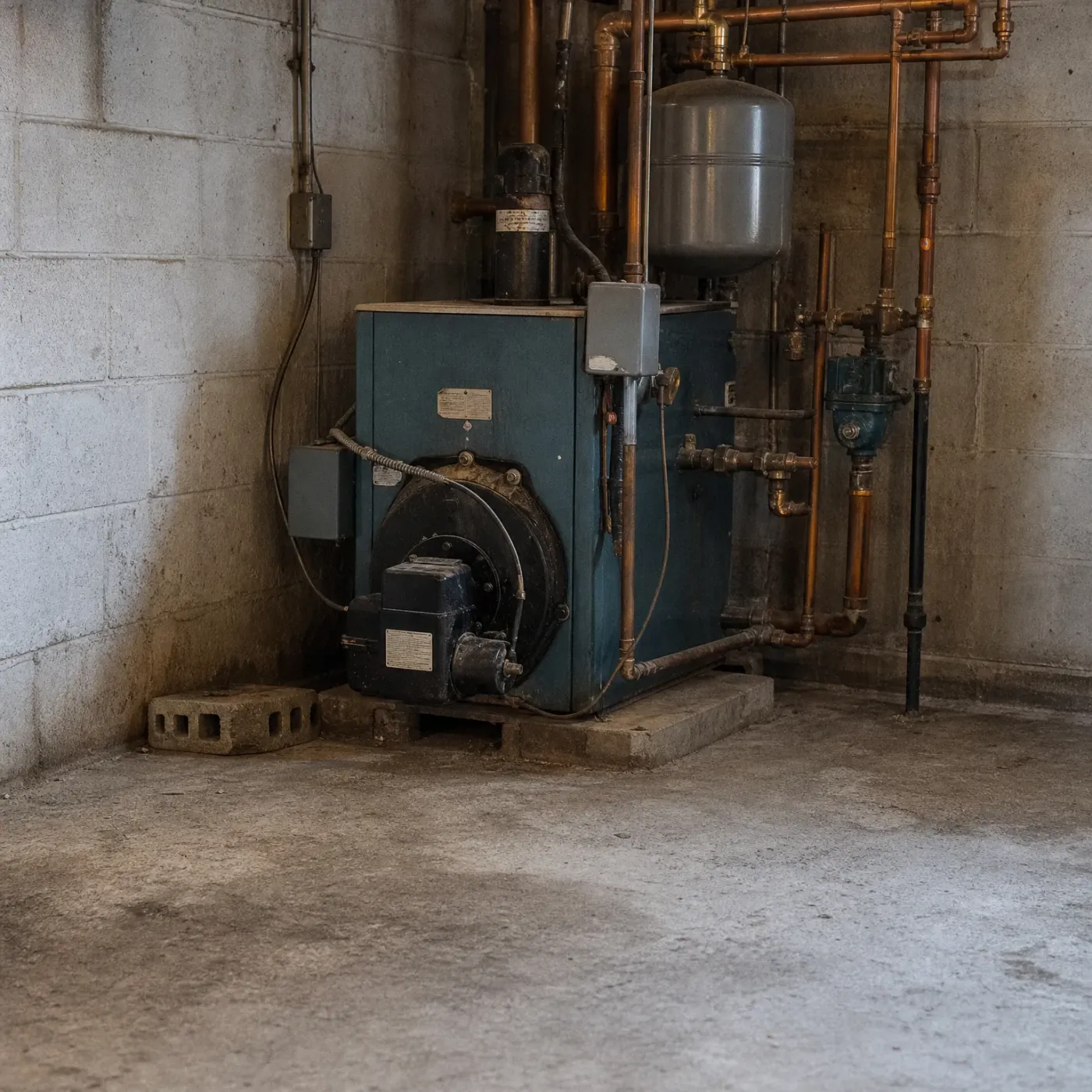
A blue oil-fired boiler with a burner unit sits on a concrete pad in a basement corner, with copper piping, valves and a gray expansion tank overhead against concrete block walls.
Before you get your boiler repair
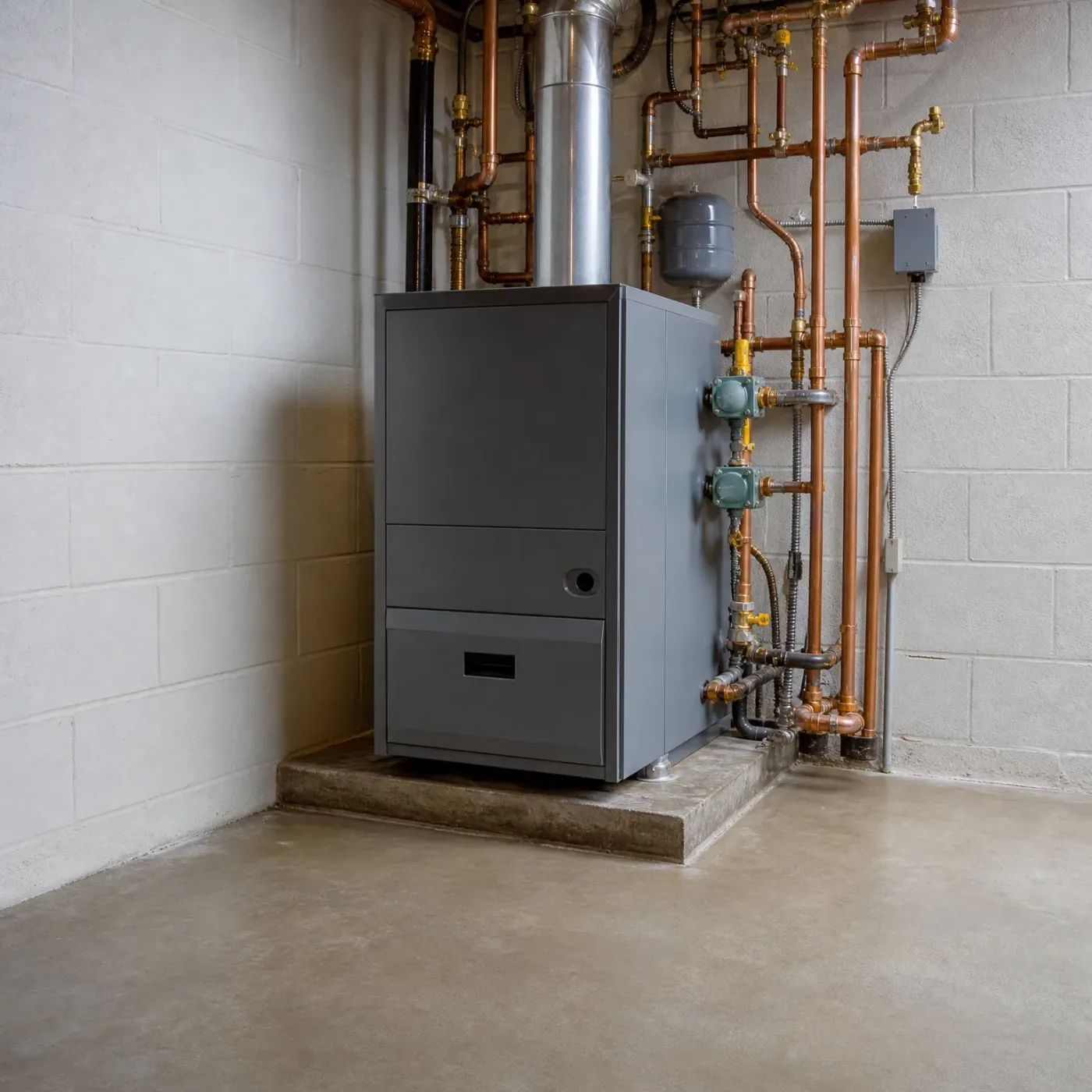
A gray boiler unit on a concrete pad in a basement corner, connected to copper piping, valves and a metal flue against painted concrete block walls.
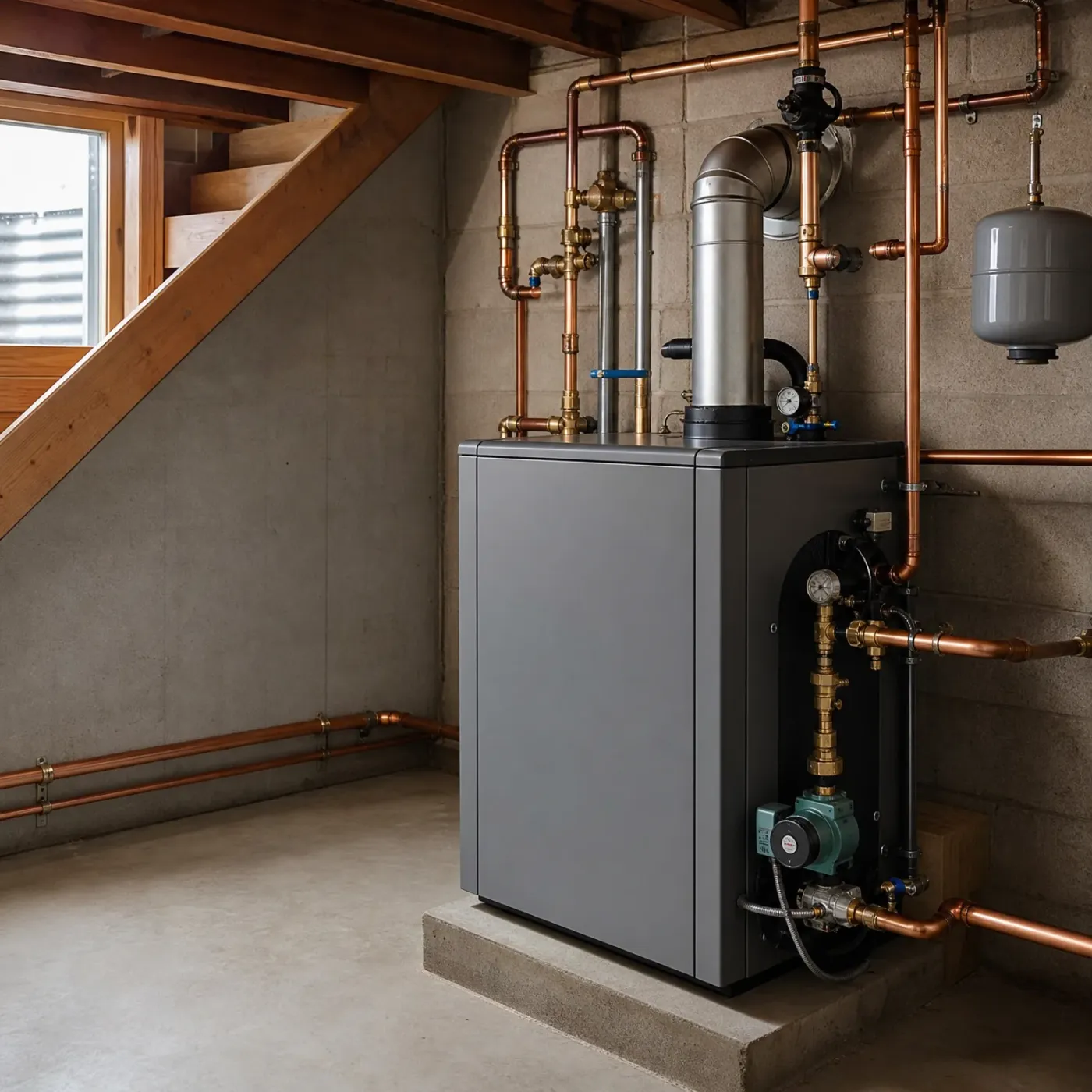
After you get your boiler repair
A gray boiler on a concrete pad in a basement, connected to copper and black pipes with valves, gauges, a circulator pump, a flue, and a wall-mounted expansion tank, beside a wooden staircase.

Skip the calls to every shop

Your request stays with one local pro.

Fill out one short form instead of calling around.

Get a licensed local pro

There's no charge for the request.

Fix the Cause or Keep Resetting It

Ignore it

  • The boiler keeps resetting and firing again, so it looks fixed until the next cold snap pushes it past the same safety switch.
  • Low water pressure that keeps tripping the switch won't correct itself, and running the system dry risks cracking the heat exchanger.
  • A flame sensor that's starting to read weak will only get weaker, and eventually the boiler won't relight at all.
  • Each short cycle puts another load on the ignition system, so the part that fails later costs more to fix than the one failing now.
  • If it quits for good on a January night, you're troubleshooting a cold house instead of scheduling a repair on your own time.

Get it looked at

  • A technician who works on boilers all winter in Montana can usually tell within minutes whether it's pressure, draft, or the flame sensor.
  • Fixing the actual cause stops the shutoffs instead of just resetting the switch and waiting for it to trip again.
  • You call one licensed local contractor who already knows what tends to fail on these systems, instead of sorting through several quotes for the same job.
  • Catching a failing pressure switch or sensor now costs less than replacing a heat exchanger damaged by running dry.
  • Once the cause is found and fixed, the boiler holds through the rest of the Montana winter instead of cutting out again.
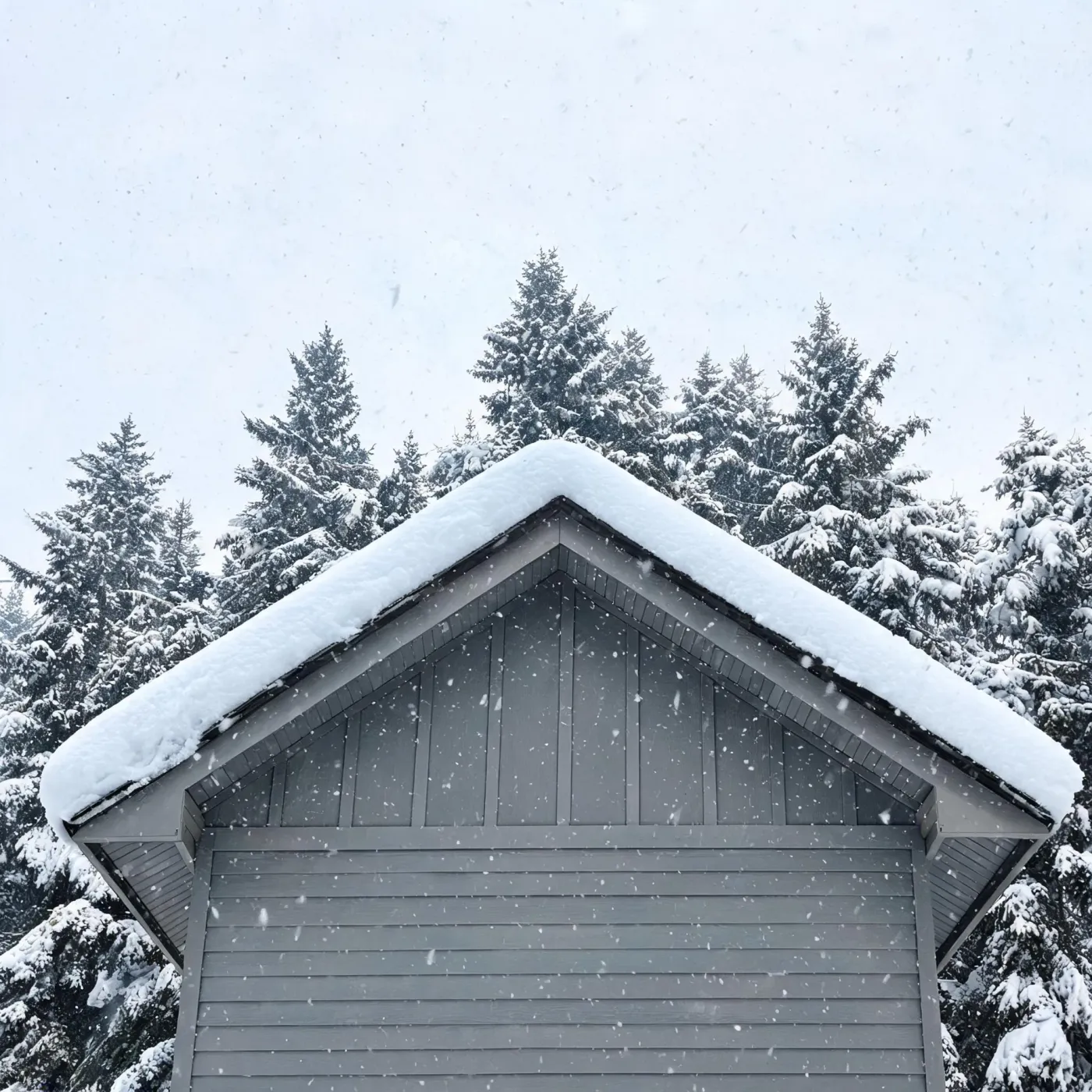
Gray wood-clad gable end of a building with a thick layer of snow on its roof, backed by snow-covered conifer trees under an overcast sky with falling snowflakes.

Winter nights average 15°F across Montana, according to NOAA climate data. At that temperature, a boiler isn't cycling on for a quick top-up overnight, it's running long stretches just to hold the house steady. That puts more hours on the igniter and the pump, and it means a pressure drop or a bad flame sensor shows up fast, usually as the boiler shutting off somewhere in the middle of the night instead of running quietly until morning. If yours keeps tripping off, those are the cold nights it'll happen on.

NOAA nClimDiv 1991-2020 county normals weighted by homes

What are you noticing when your boiler shuts off

You probably hear the burner fire, run for a while, then go quiet before the house is actually warm. The radiators or baseboards start cooling off room by room. Sometimes a wall display shows a fault code or a flashing light, sometimes it just goes dark. You might have already tried the reset button and watched it run fine for an hour before cutting out again. If this keeps happening through a Montana winter, you're losing heat on the nights you need it most, and each reset without a real fix is another cycle that stresses the same parts that tripped the switch in the first place.

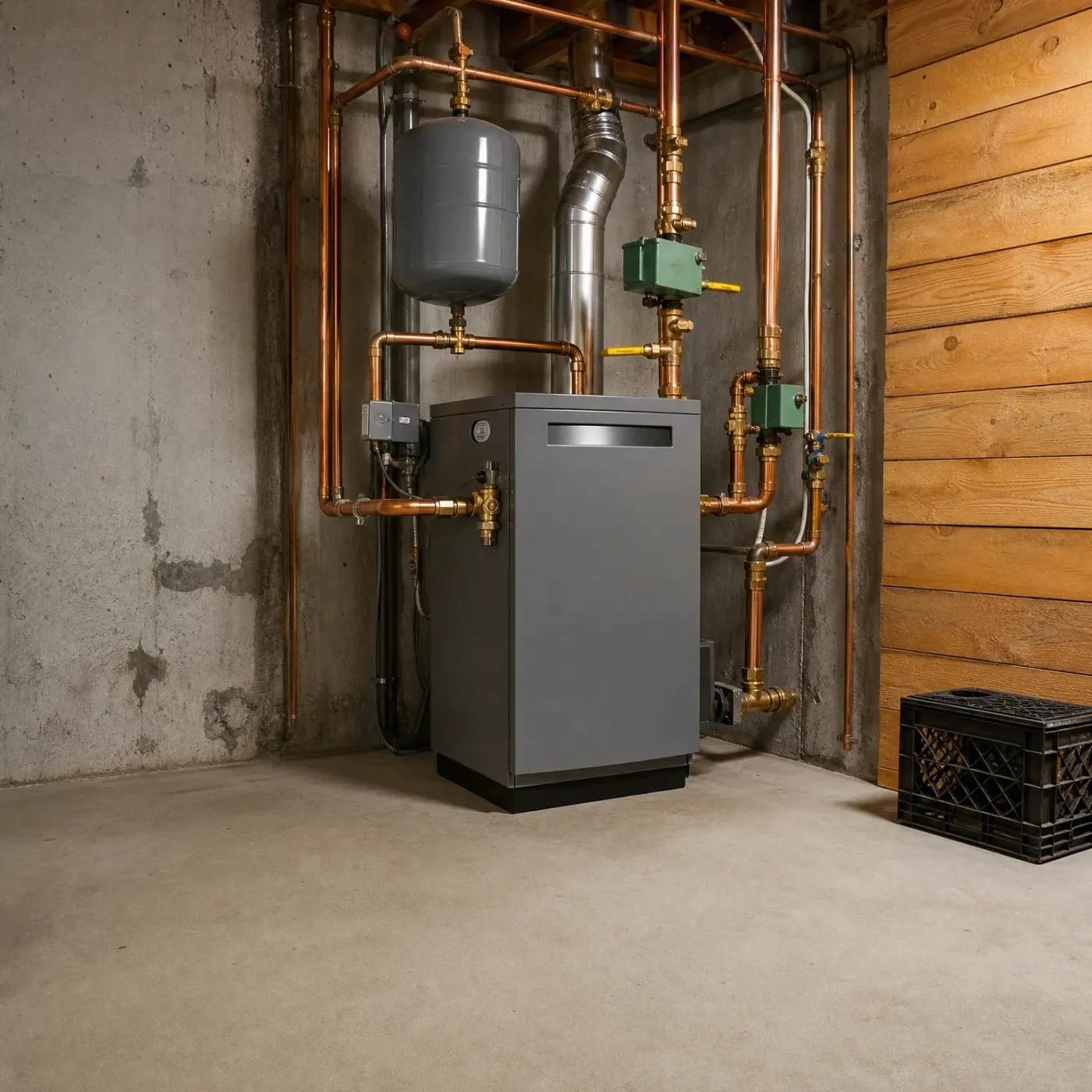
A gray boiler unit in a basement corner with copper piping, brass valves, a gray expansion tank, a metal flue duct, concrete walls and a wood-paneled wall, with a black plastic crate on the floor at right.

Running the way it should

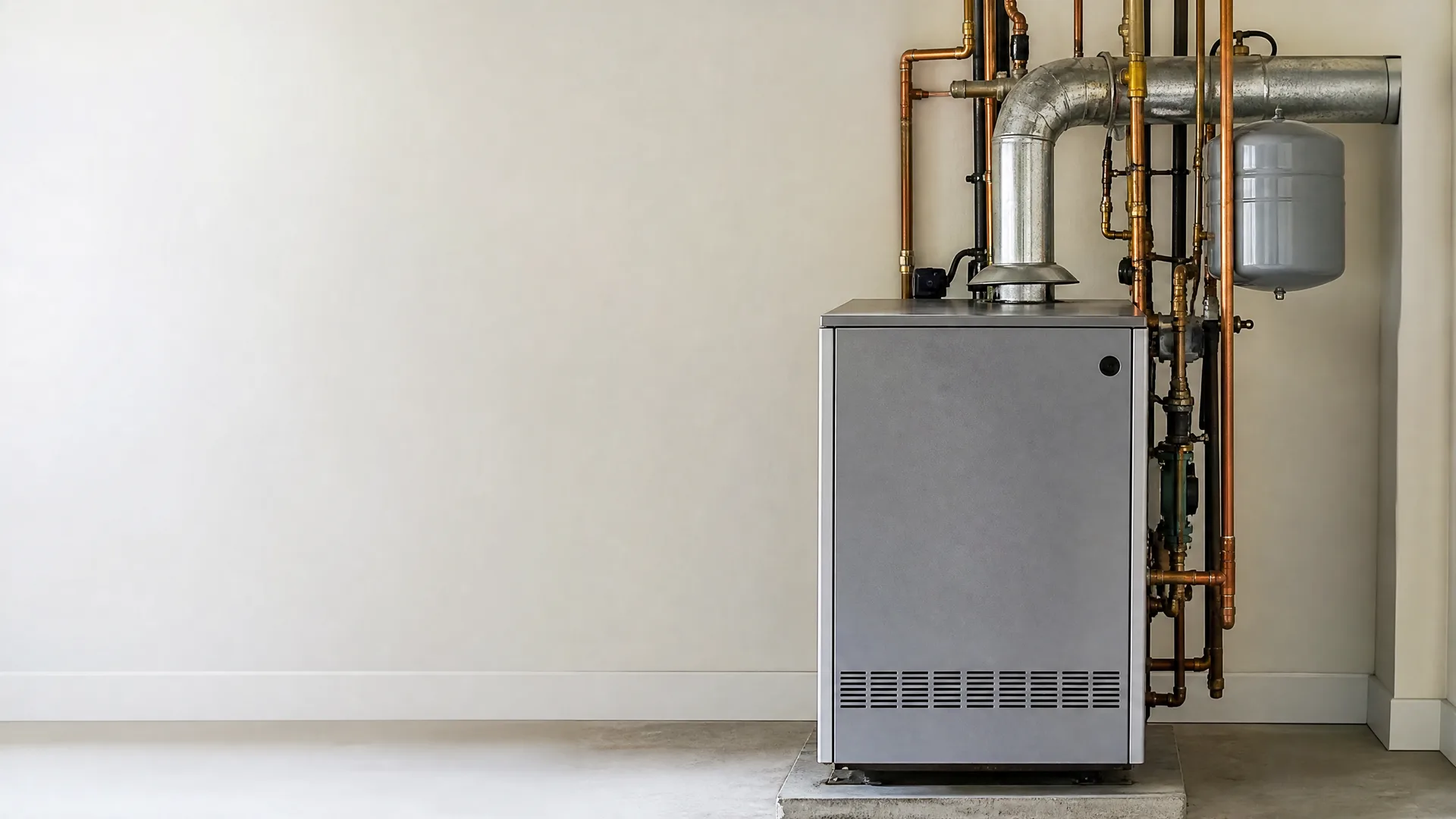
This is what a boiler looks like when the pressure switch, the zone valves and the expansion tank are all doing their job. The copper piping stays tight, the flue vents clean, and the burner fires and holds without tripping off early. Nothing here is fighting itself.
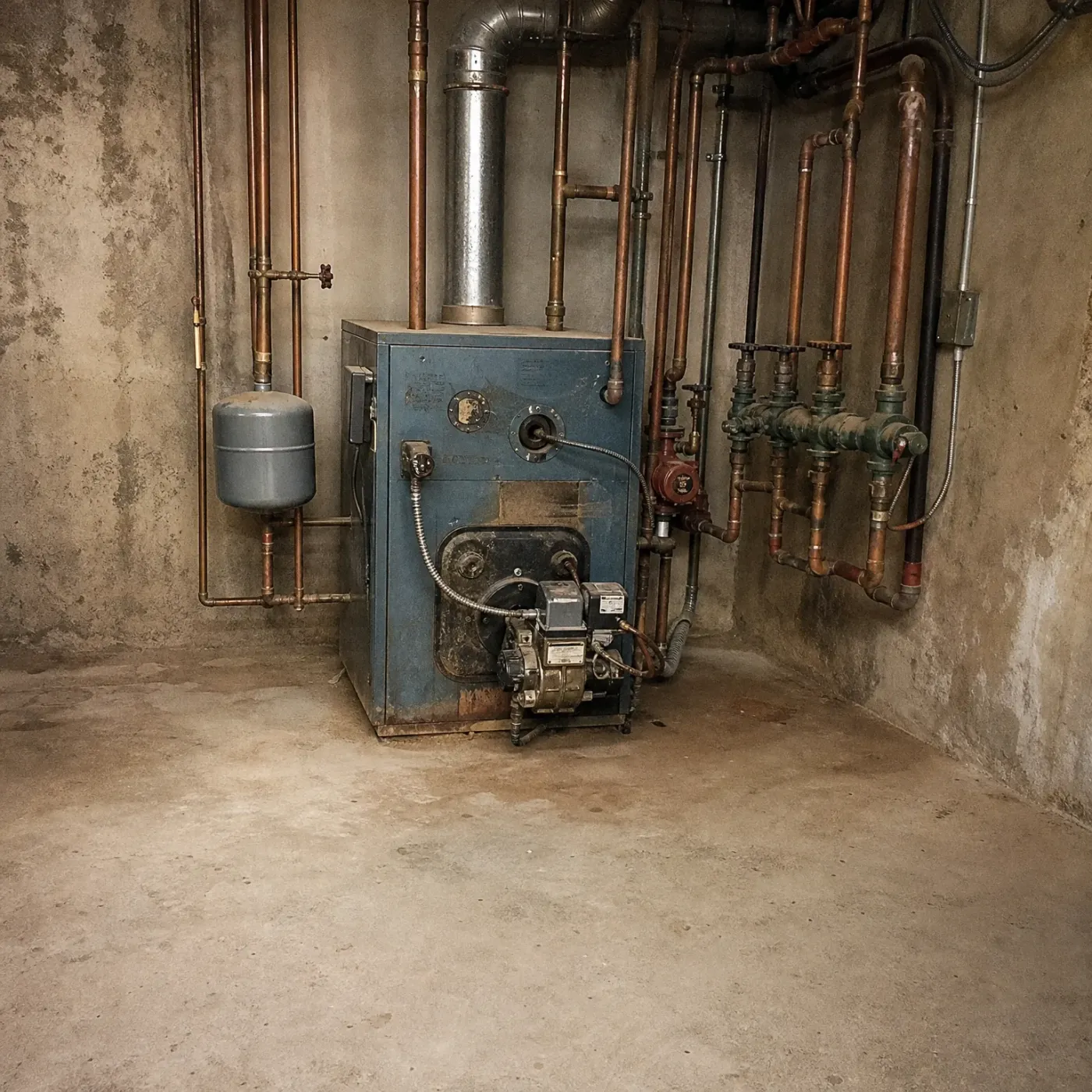
An older blue boiler with a burner unit stands in a concrete basement corner, connected to copper and steel piping, valves and a gray expansion tank on the wall.

Shutting off on you

This is an older setup, same kind of piping and valves, but worn enough that something in that chain is failing the check. A galvanized flue, aging circulators, zone valves that have done years of work. Any one of them can be what's cutting the burner off before the house warms up.

Winter nights average 15°F statewide

At 15°F, your boiler can't afford to trip off and reset itself all night. Every shutdown means the house loses ground that takes longer to recover on a night that cold, and the rooms farthest from the boiler feel it first.

NOAA nClimDiv 1991-2020 county normals weighted by homes

A gray and dark blue floor-standing boiler with copper pipes, a flue, and a small expansion tank stands in a basement corner with painted walls and a concrete floor.

Calling around on a cold night

You start by searching, then calling two or three companies to see who even answers. Each one asks you to explain the same thing again: the short cycling, the fault code, how old the boiler is. Then you wait to hear back, compare what each one quoted, and decide who sounds like they actually know boilers rather than just HVAC in general. All while the house keeps losing ground.

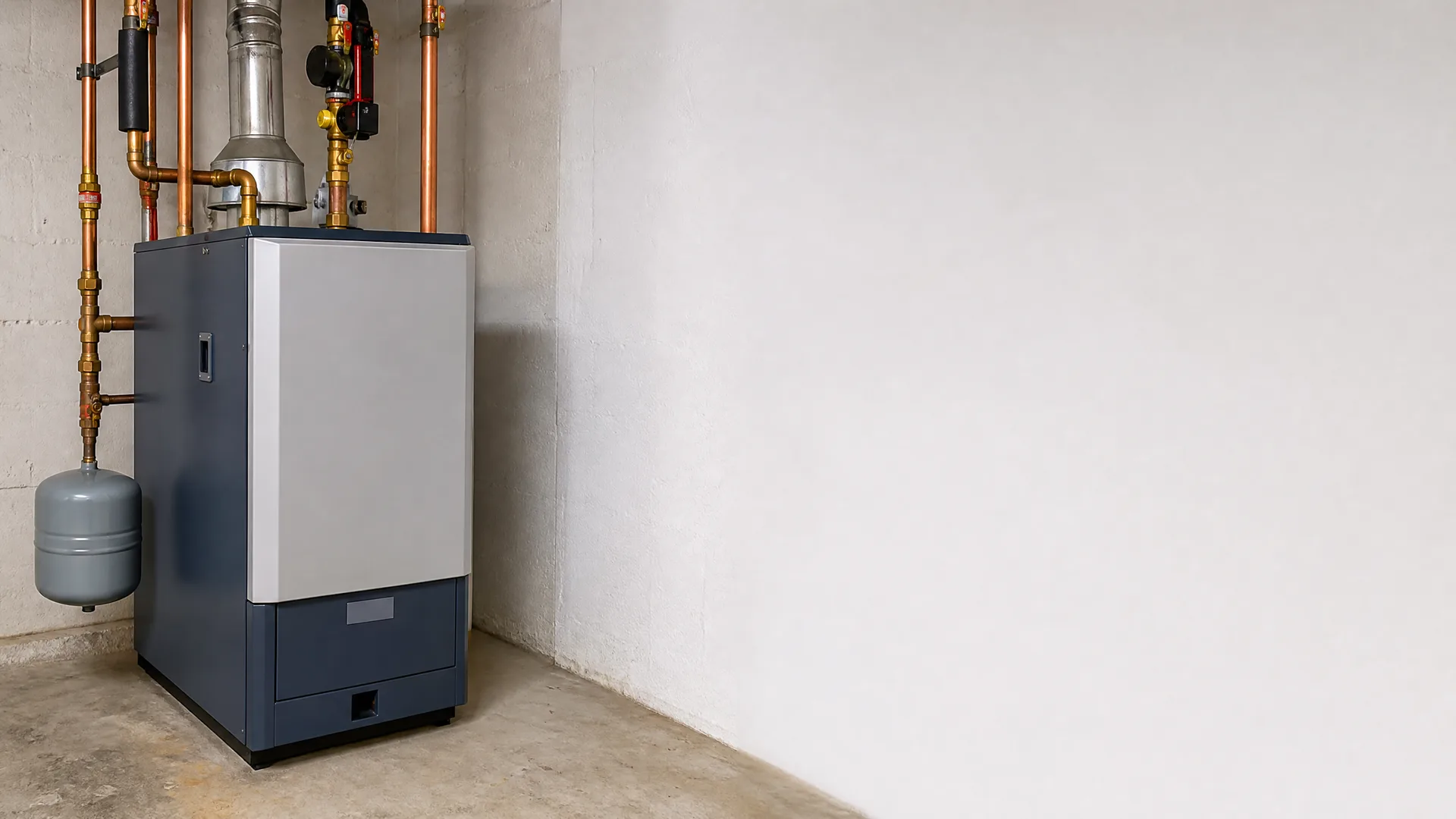
A grey floor-standing boiler with a vented front panel stands against a plain light wall, connected to copper and galvanised pipework, a metal flue, and a cylindrical expansion vessel above.

One licensed contractor, already local

You answer once and it goes to a licensed contractor who works on boilers in Montana homes every winter, not someone dispatched from a general call center. No pile of calls to sort through, no retelling the pressure switch story to three different people. Someone who has seen a boiler trip on a 15°F night before, who knows what that usually means, takes it from there.

A closed silver laptop and a white cup of coffee on a saucer sit on a wooden table in front of a wooden chair, a plain beige wall, a potted leafy plant and a window with greenery outside.

A boiler that keeps shutting off needs a cause found, not a reset

Your boiler is telling you something each time it trips. Low water pressure, a flame sensor that isn't reading right, a draft inducer struggling to pull exhaust, these are specific problems with specific fixes, and a licensed tech working on boilers all winter in Montana has seen most of them already this season. Finding that out doesn't take guesswork on your part.

What it does take is someone who knows the equipment showing up once, looking at the actual switch or sensor causing the trip, and fixing that part. You skip calling around to three or four companies, repeating the same fault code and the same story about when it cuts off, and waiting on callbacks while the house keeps losing ground. One licensed, local contractor gets the full picture the first time and goes straight to what's failing.

A gray upholstered sofa with a beige cushion and knit blanket beside a curtained window, with a white mug and a book on a dark wooden table in the foreground and a lit lamp in the background.
The gabled roof peak of a house with a stone chimney, dark siding and wood brackets, framed against forested hills and a rocky mountain ridge under a cloudy sky.

Skip calling around

Fill out one form

You only hire the pro if you want to.

A boiler that keeps tripping on a cold night won't wait for a convenient morning. Sending one request gets a local contractor who works on boilers all winter looking at the actual cause, instead of you running the same reset and hoping it holds till spring.