Send the form, and lining up the boiler tune-up stops being yours to chase.
Most boilers want to sit between 12 and 15 psi when the system is cold. If your gauge reads near zero, or it's creeping past 20, something in the system is off, and that's worth a look before the cold sets in.
A boiler that's losing pressure isn't a small thing to ignore. It usually means a leak somewhere in the loop, a faulty valve, or air that's gotten into the system and needs to be bled out. Run it too low and the boiler can shut itself off rather than heat your house on a night when you need it most.
Montana winters don't give you room for a boiler that quits. By the time you notice the pressure is wrong, you want someone who already knows this equipment, not someone learning it on your dime. A local contractor who services boilers all season sees the same handful of causes over and over, the same worn valve, the same slow leak at a fitting, and usually knows what to check first.
That's the part you don't have to figure out yourself. Send the request and the search for a contractor stops being something you have to manage. You're not left sorting through a list of companies or fielding calls from three different outfits trying to win the job. One licensed contractor local to Montana gets matched to your request, someone who works on boilers like yours every year and knows what tends to go wrong in this climate.
Low pressure, no pressure, a gauge that won't hold steady. Whatever's showing on your boiler right now, it's a known problem with a known fix, and the person who comes out to look at it will have seen it before. Fill out the form below and let that be the next step, not something sitting on your list for another week.
A cold boiler should hold between 12 and 15 psi. That's the range the system is built around, and it's where the water fills the pipes and the radiators without straining the seals or the relief valve. Below that, air pockets can creep into the lines and you'll hear it in a radiator that stays cold at the top. Above 20, the relief valve may start weeping water just to protect the system. Montana winters run long, and a boiler that's low on pressure in November won't get better on its own by January. Check the gauge when the system is cold, before it's fired up for the day. If it's drifted outside that range, or if you're having to add water to it every few weeks, that's a sign something in the system, a valve, a feed line, a leak, needs a look before the heating months are in full swing.
The pressure gauge sits near the boiler's water feed valve, usually behind a small cover. Check it cold, before the burner has fired that day, since heat expands the water and pushes the reading up.
A reading taken right after a heating cycle can look normal even when the system is actually low. Catching it cold is the only way to know what you're really working with before a Montana winter asks more of it.
Before you get your boiler maintenanceAfter you get your boiler maintenance
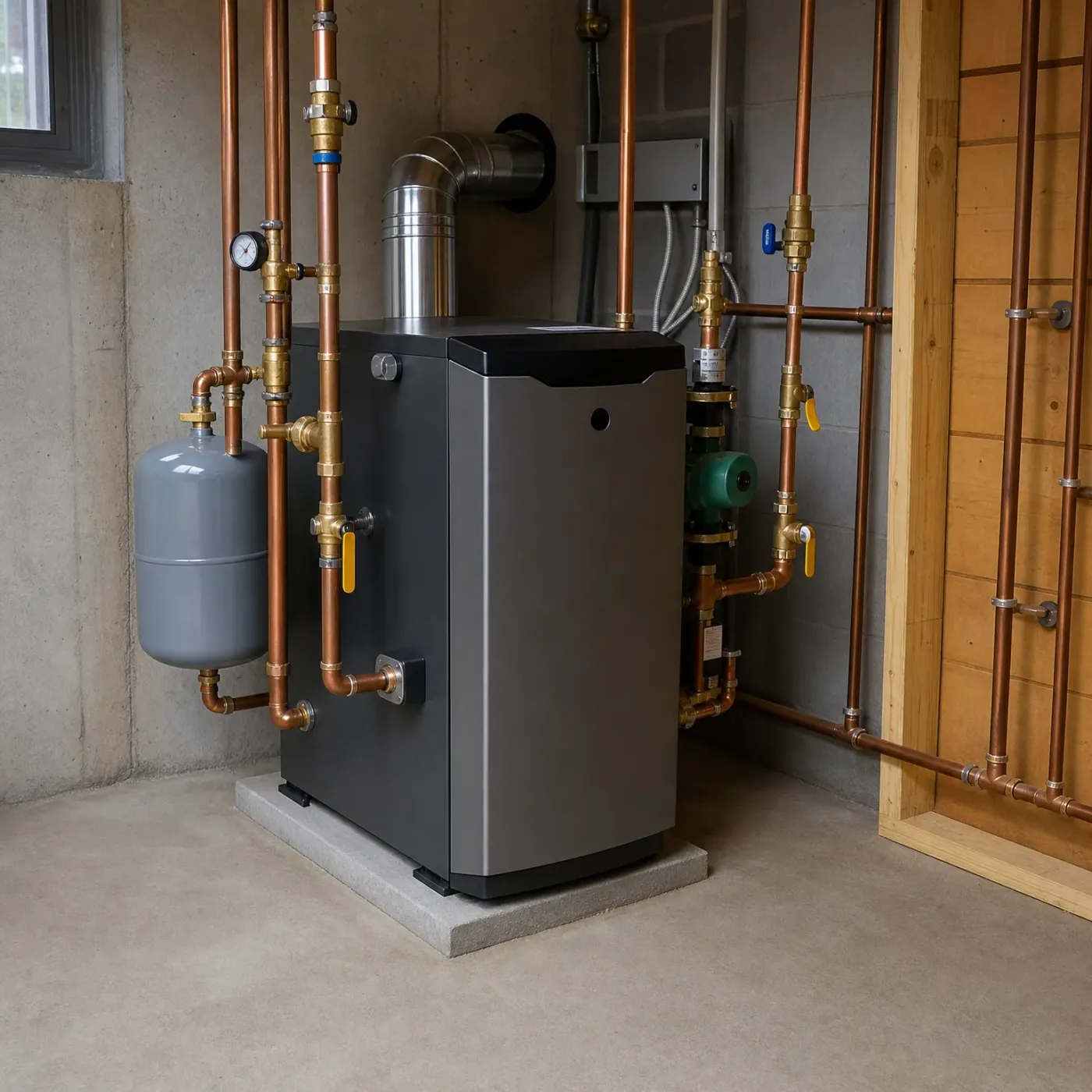
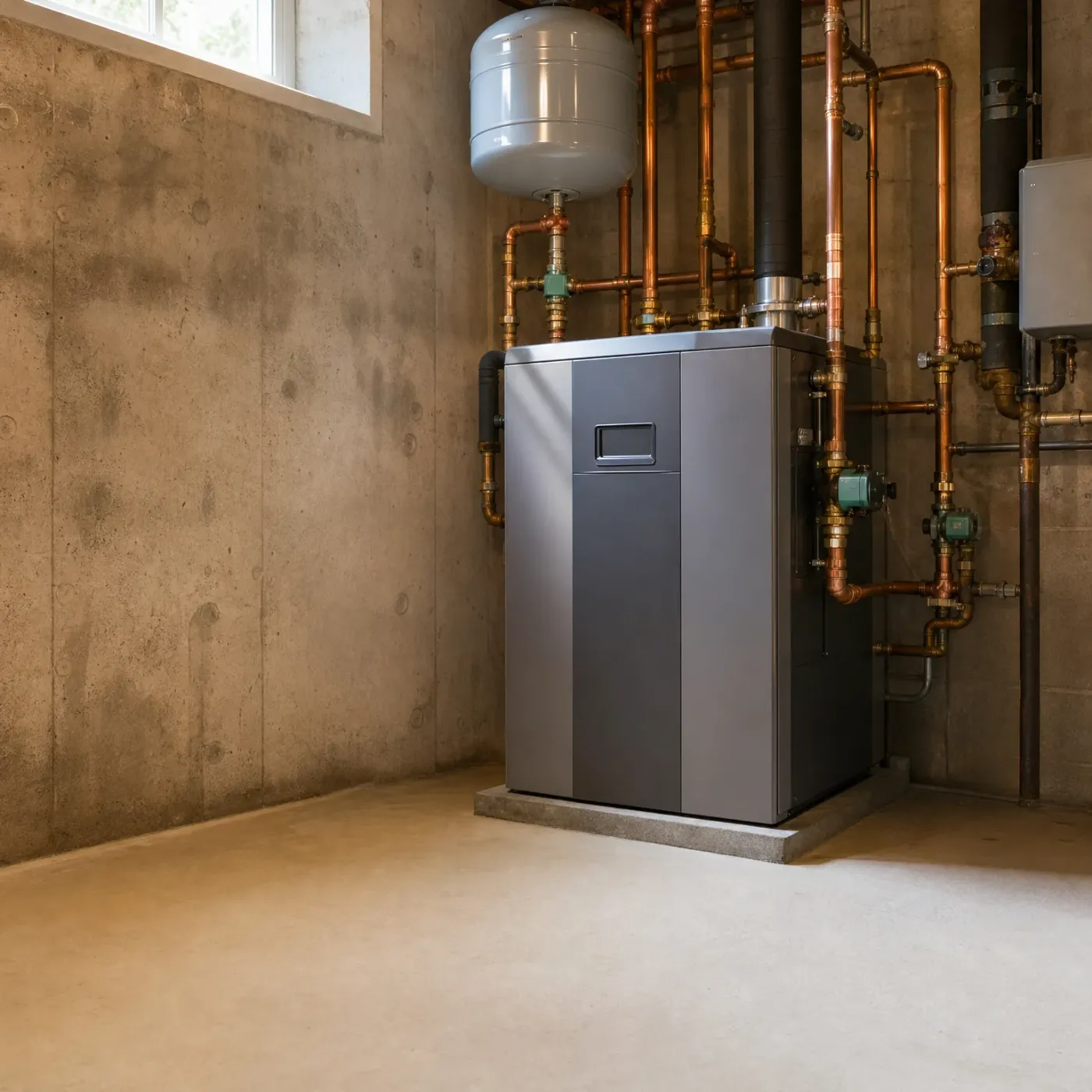
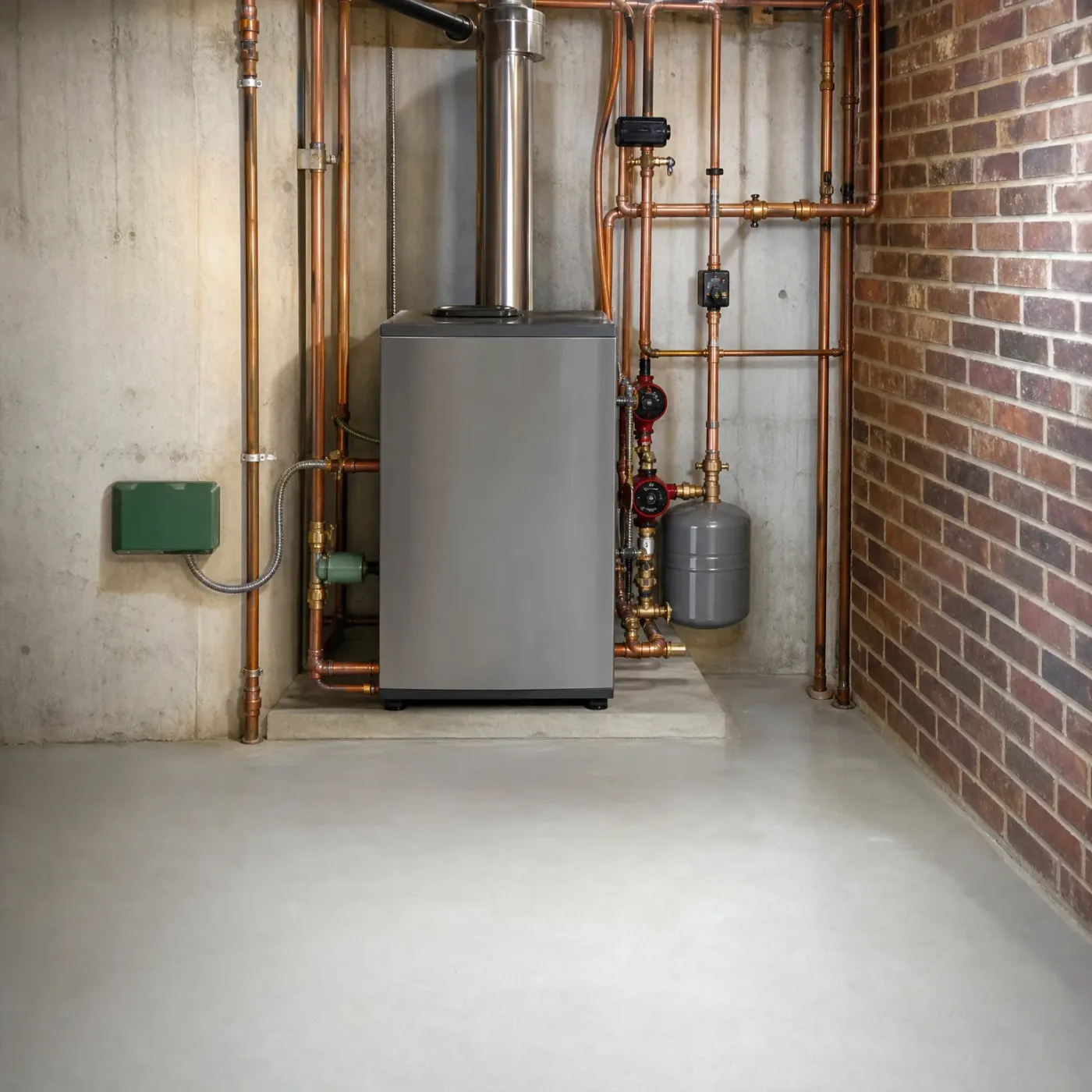
Pressure holding steady
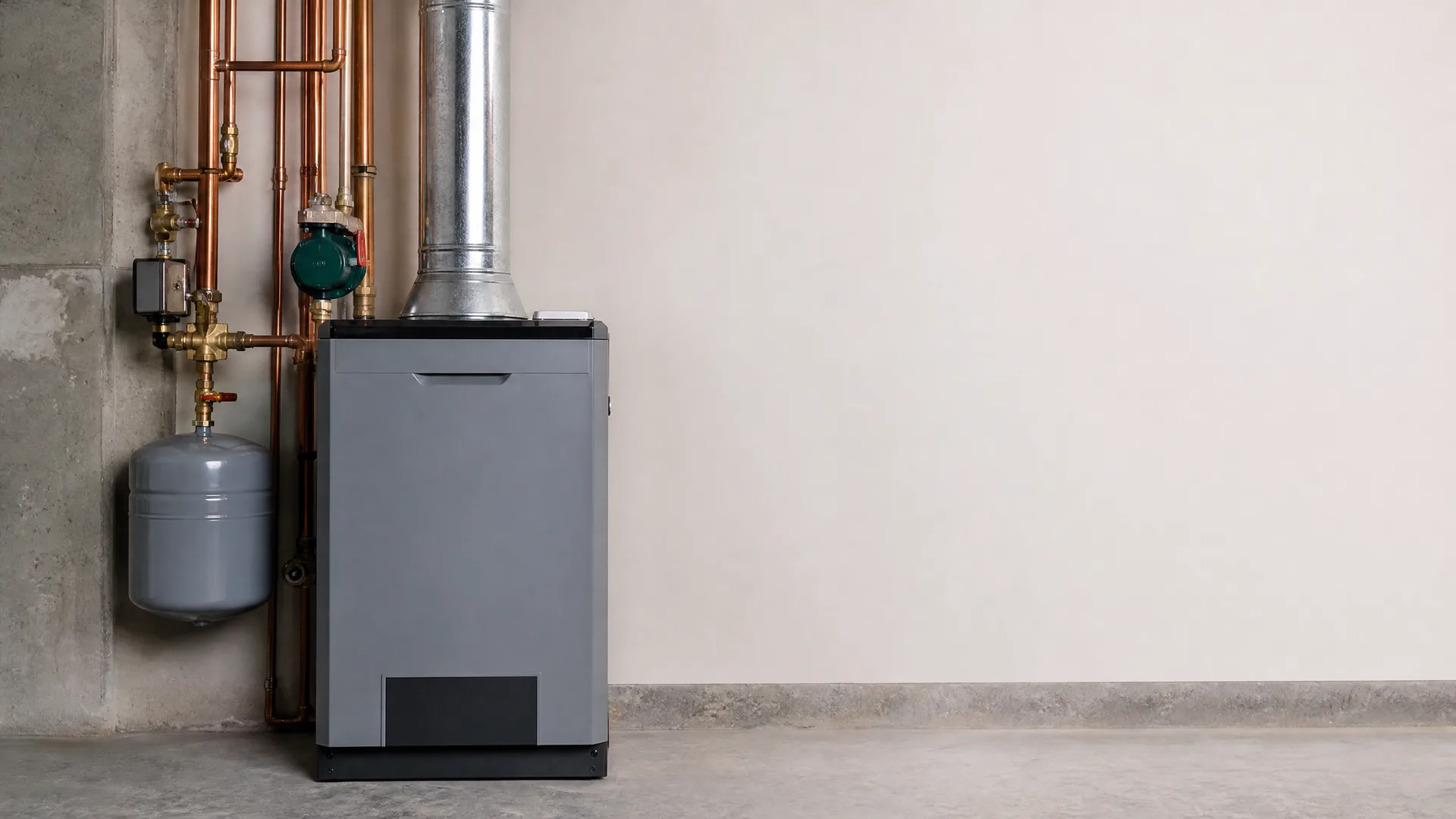
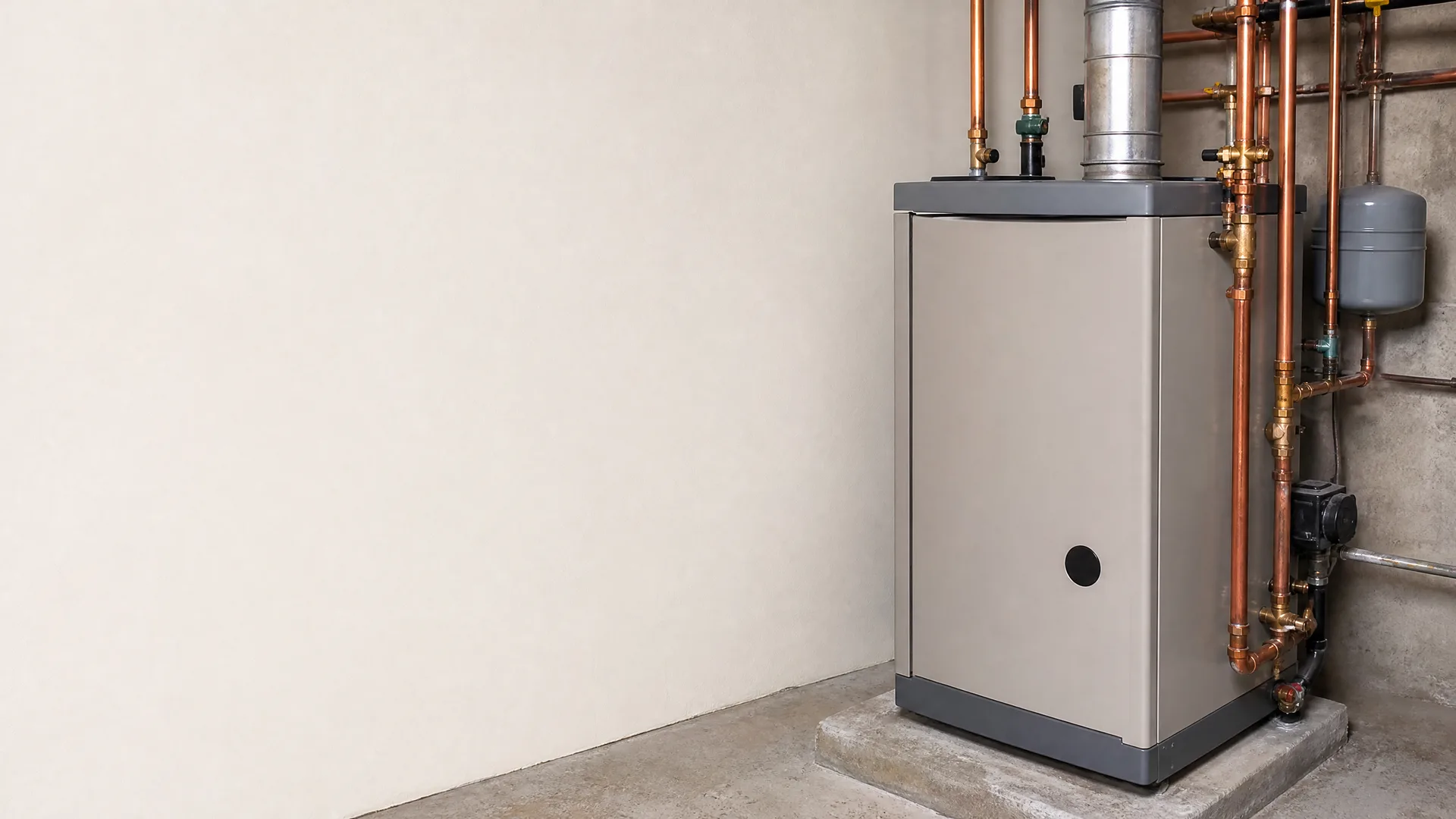
This is what a boiler looks like when it's keeping pressure where it should. The gauge sits steady, the pumps run quiet, and the expansion vessel is doing its job absorbing the water as it heats. Nothing here is fighting itself.
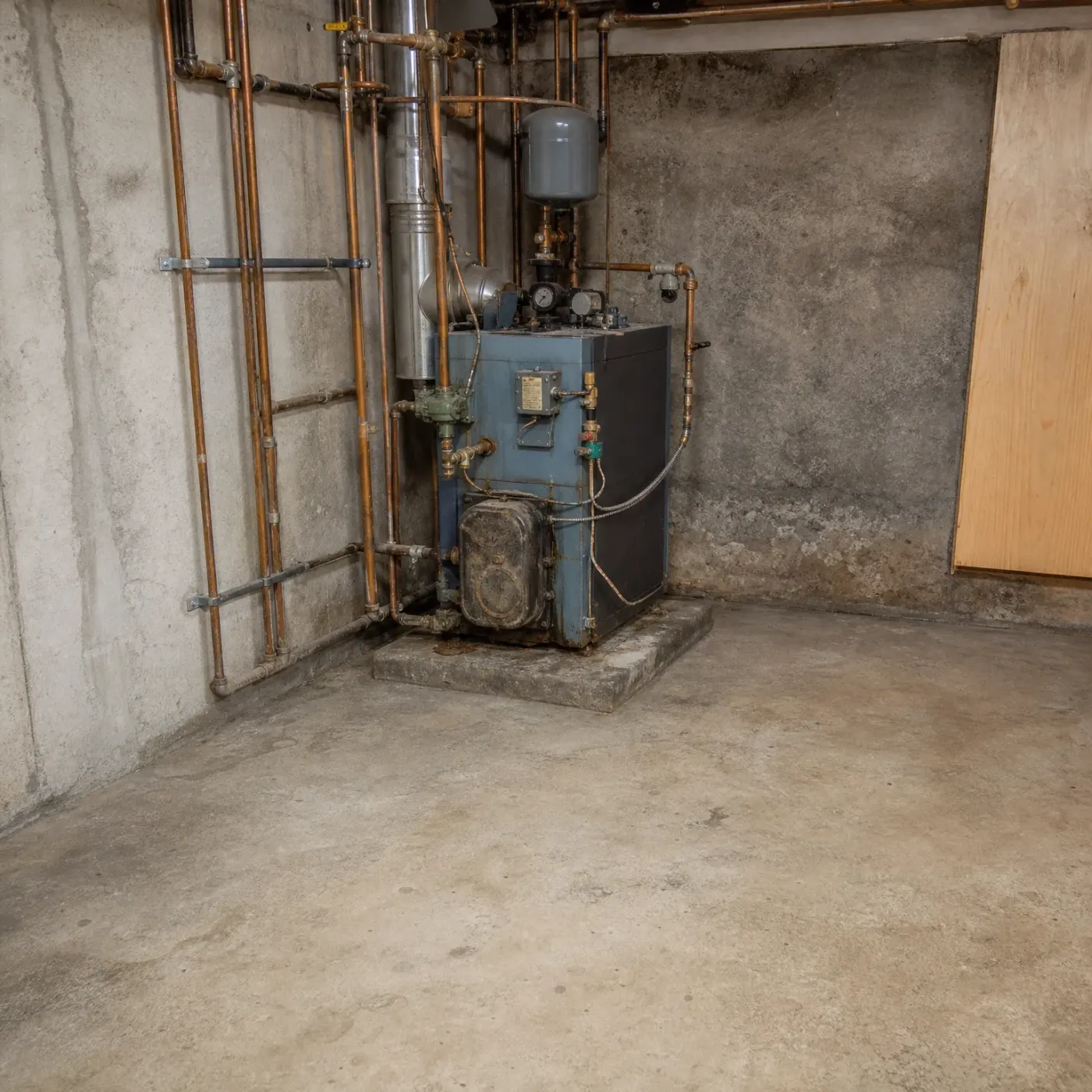
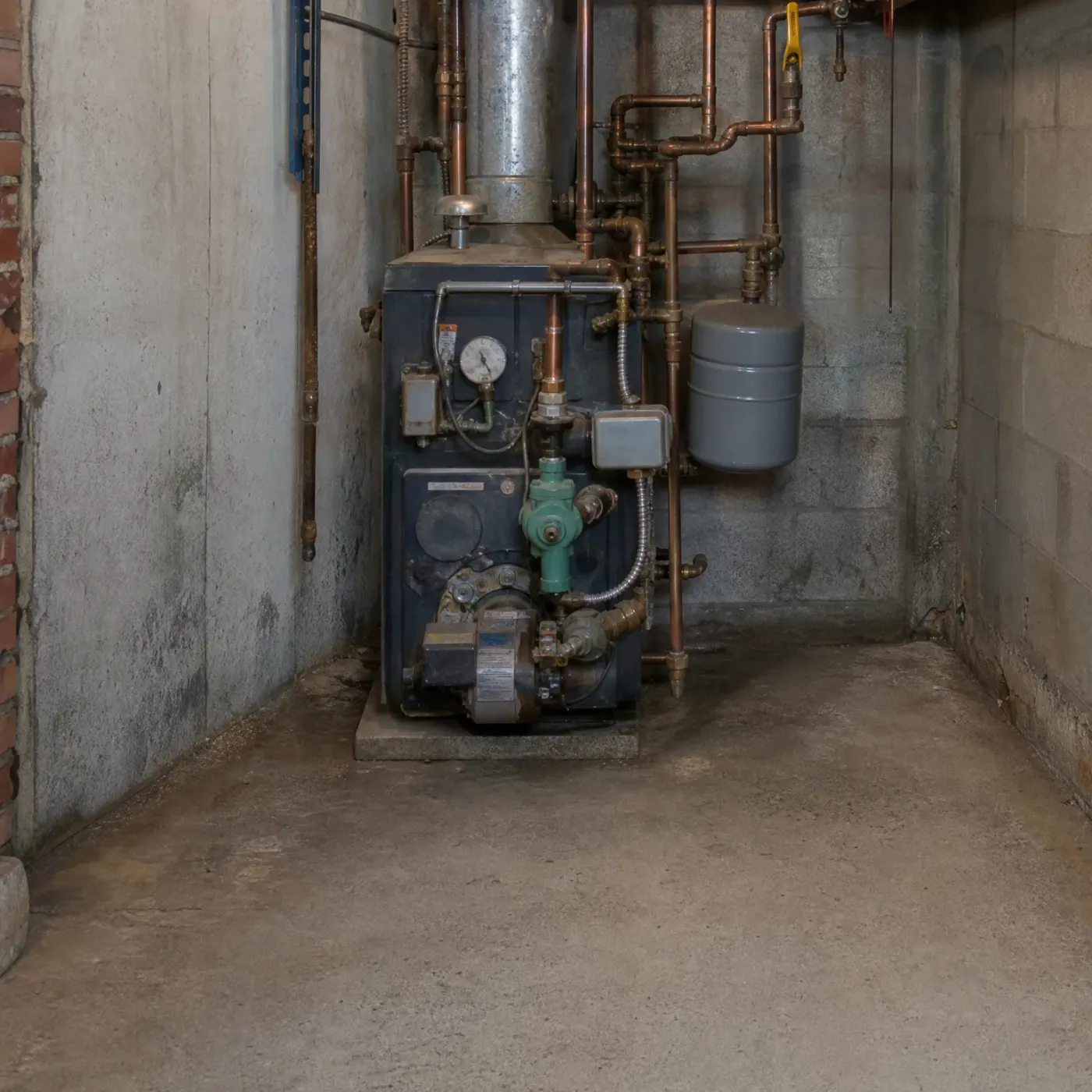
Pressure dropping without you noticing
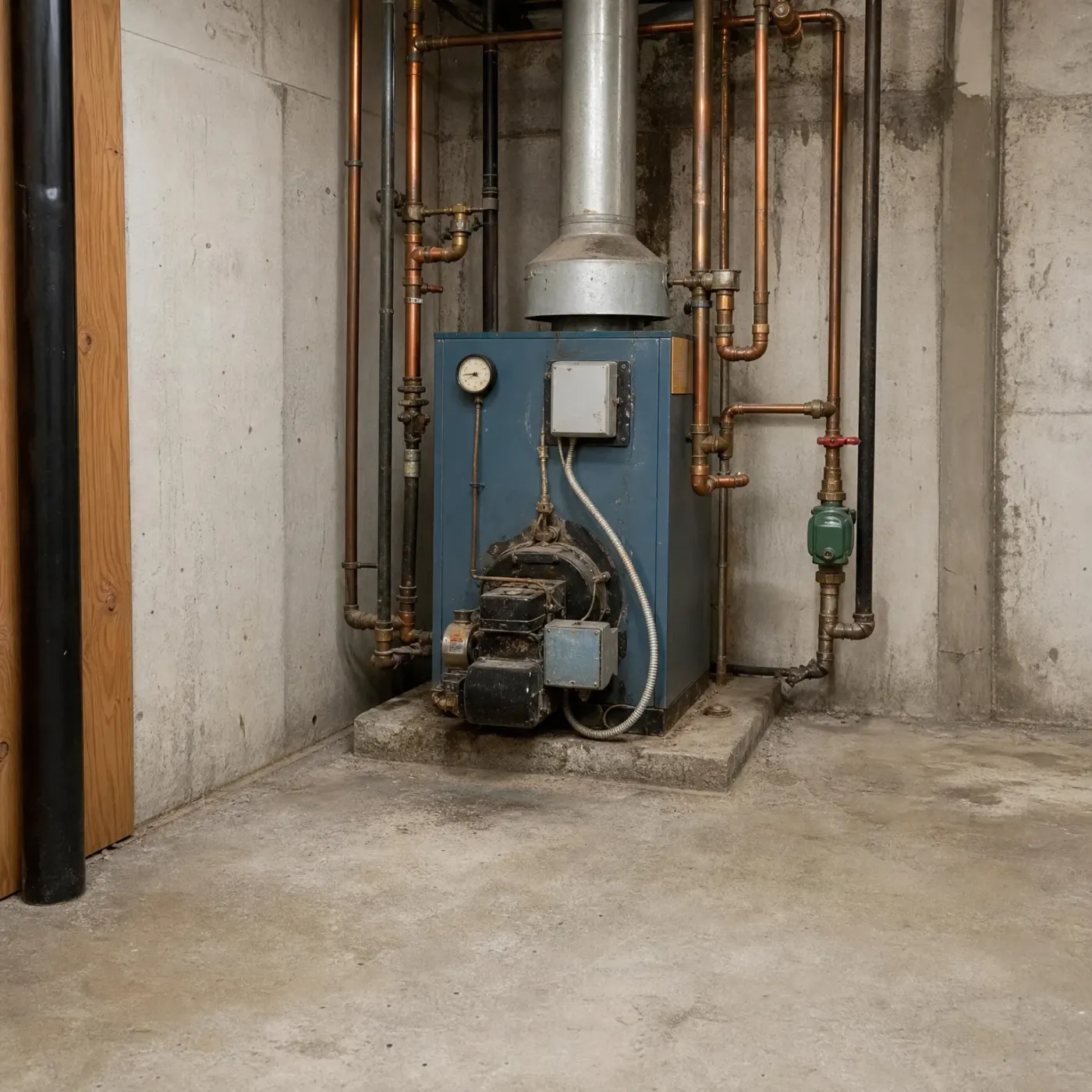
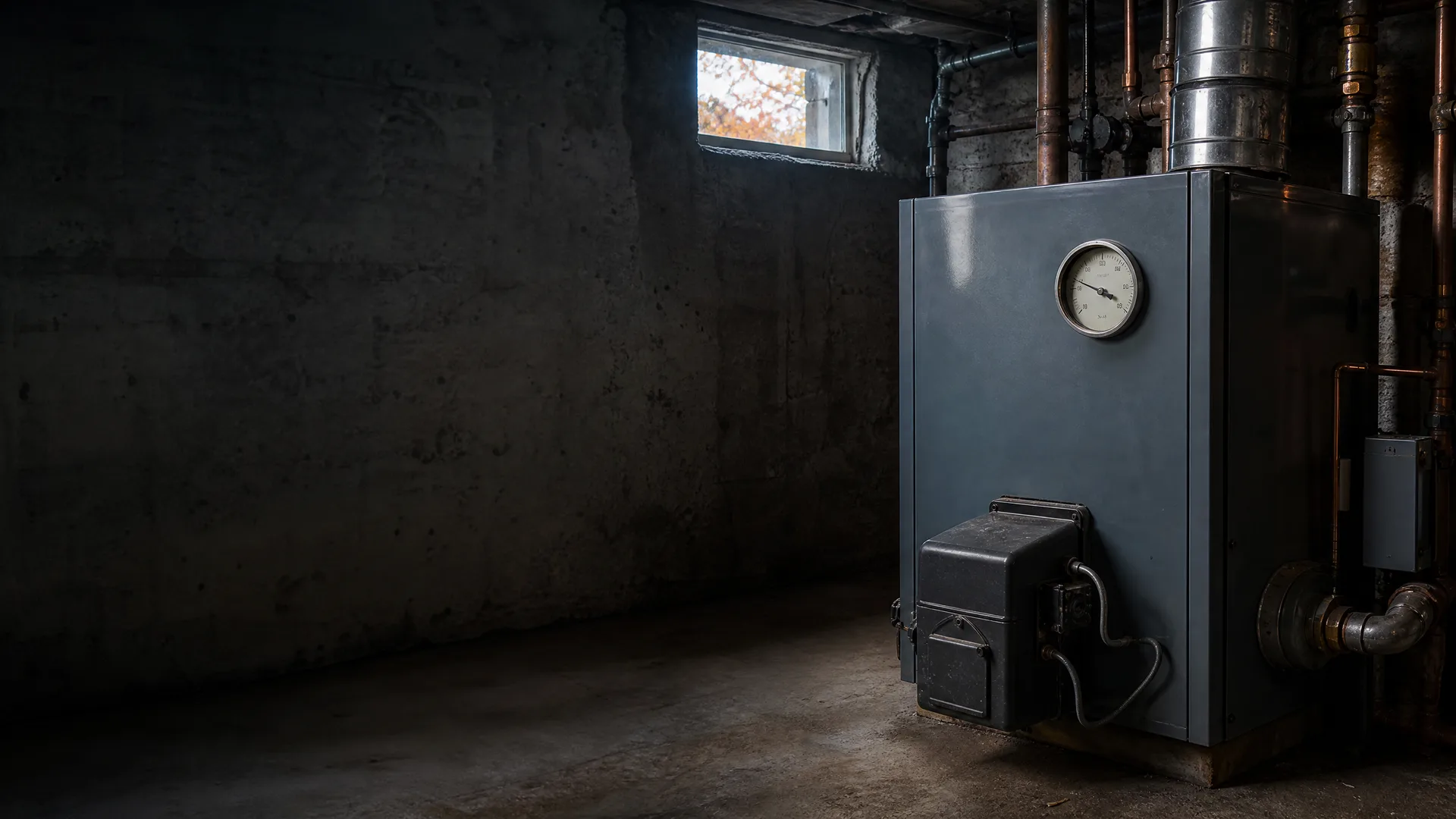
An older boiler like this can lose pressure slowly, through a valve that weeps or a joint that's loosened over the years. The gauge on the front will tell you, but only if someone checks it before the burner fires on a cold Montana morning.
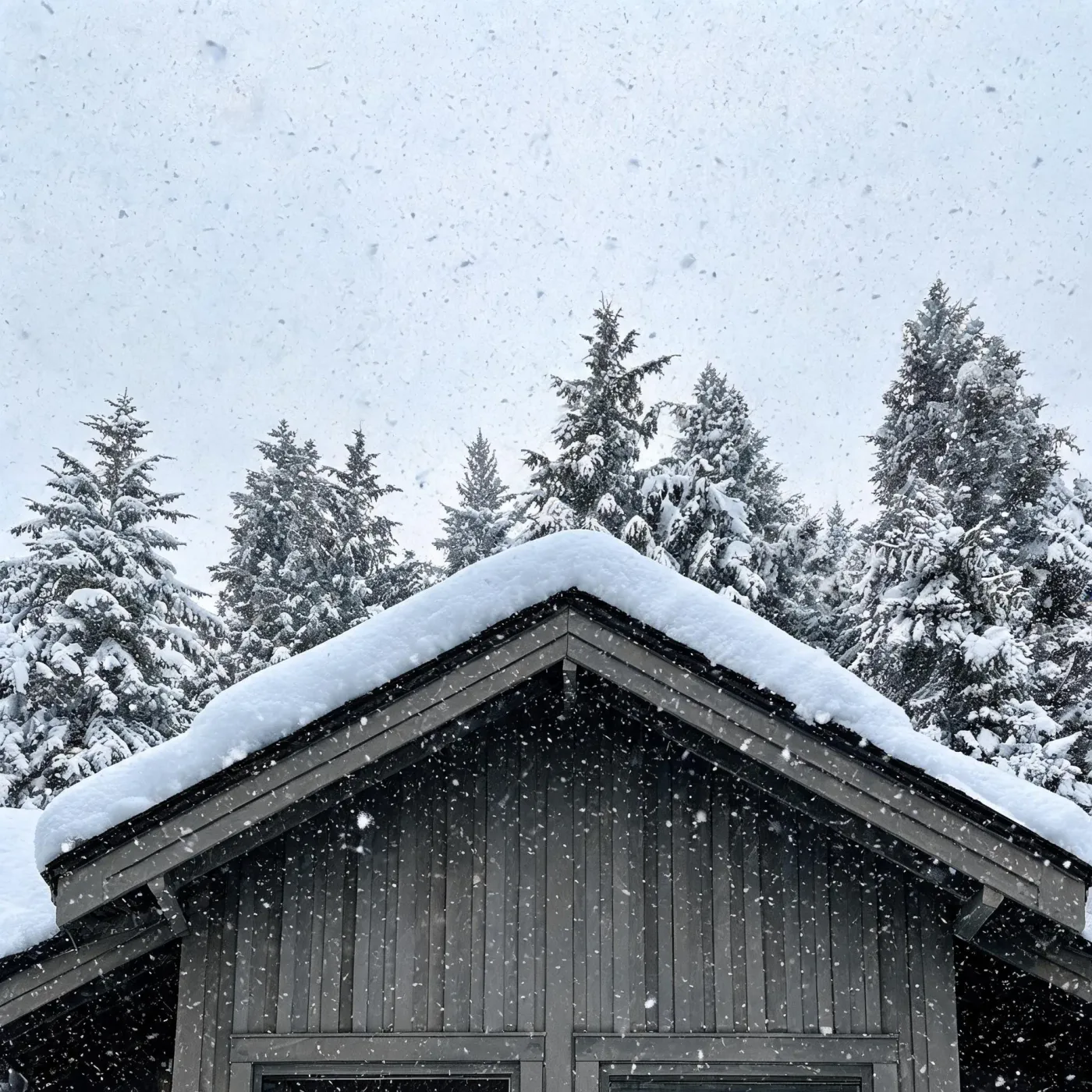
Winter nights average 15°F statewide
At 15°F, your boiler is running long stretches most nights through December, January and February. That kind of steady firing is exactly when a pressure that's drifted low or high gets exposed, so it's worth checking the gauge before those cold nights settle in.
NOAA nClimDiv 1991-2020 county normals weighted by homes
What low pressure does to your heat
If your pressure keeps dropping toward zero, your radiators will run cold in spots, usually at the top, and some rooms won't heat evenly. Montana winters don't leave room for that. A boiler losing pressure every few weeks has a leak somewhere in the system, at a valve, a joint, or the expansion tank, and it won't fix itself. Left alone through January and February, you're looking at a burner that short cycles or shuts off on a low water cutoff right when you need it most.
What high pressure puts at risk
A gauge sitting past 20 psi cold means the expansion tank isn't absorbing what it should, and the relief valve may start weeping water to compensate. That valve is doing its job when it does that, but it's not built to work overtime all winter. Keep ignoring it and you risk a valve that fails open or shuts tight, neither of which you want to discover on a night it's 15 below outside and the house depends on that boiler holding steady until spring.
Why does my boiler keep losing pressure
You top it off, it holds for a week or two, then the needle's back down near zero again. Maybe you hear a faint hiss or gurgle from a pipe joint, or you've spotted a damp patch near the boiler itself where water's finding its way out. Some radiators upstairs stay cool at the top no matter how long the burner runs. That pattern, pressure that drops on its own instead of staying put, usually means water is leaving the system somewhere, through a valve, a seal, or the relief valve itself. Left alone through a Montana winter, it means the boiler works harder on cold nights and still leaves rooms short of heat.
You're down in the basement on a Saturday morning, pulling the storage bins off the shelf to make room for the ones coming down from the attic before the snow flies. The boiler's tucked in the corner, and you catch the gauge out of the corner of your eye. The needle's sitting low, well under where it was last fall. The air down here already has that first edge of cold to it. You make a note to call someone before the nights drop into the teens, because the last thing you want is to find this out mid-January, with a houseful of cold radiators and a tech who's never seen your unit before trying to figure out what's wrong.
Only one pro gets your request, so you hear from one company.
There's no charge for the request.
1
Technician checks the cold pressure reading against the 12 to 15 psi range.
2
Technician inspects the expansion vessel's air charge with the system isolated.
3
Technician bleeds trapped air from the radiators to restore even heat.
4
Technician checks the feed valve and relief valve for slow leaks.
Check It Now or Find Out Later
Skip it this fall
The pressure drifts on its own schedule, and you find out it's low when a radiator runs cold on a January morning.
A small leak at a pipe joint or valve keeps feeding air into the system, and nobody's caught it yet.
The expansion vessel's air charge can fail quietly, so the gauge climbs too high every time the burner fires.
Topping off the pressure yourself fixes the number for a week or two but not whatever's causing it to drop.
By the time something fails outright, it's likely during one of those long cold stretches when you need the heat most.
Get it checked now
A technician who works on these systems every season in Montana knows which parts tend to go first.
The cold pressure gets checked against the 12 to 15 psi range before the hard freezes settle in.
The expansion vessel gets isolated and tested, so a weak air charge gets caught before it pushes pressure too high.
Trapped air gets bled from the radiators, so heat reaches every room evenly once the cold sets in.
One licensed local contractor takes the job, so you're not fielding calls from several companies about the same boiler.
Pipes and pumps running clean, pressure sitting in range, nothing calling for attention before winter gets here.
A gauge nobody's checked in months, and a boiler that's left to find out the hard way if the pressure's still right.
Statewide, winter nights average 15°F, according to NOAA climate data. That's cold enough for your boiler to run long stretches overnight without shutting off, and a system running that hard needs its pressure sitting where it belongs. If it's drifted low, the pump can draw in air during one of those long runs, and you'll hear it as gurgling in the pipes or notice a radiator that's warm at the bottom and cold at the top. A system holding steady pressure doesn't have that problem. It just keeps the heat even, night after night, while it's doing the most work it'll do all year.
NOAA nClimDiv 1991-2020 county normals weighted by homes
Where your pressure should sit
A cold boiler should sit between 12 and 15 psi, and that's the number worth checking before the long cold nights settle in.
A gauge near zero or past 20 means something in the system needs a look, not a guess, before the first hard freeze.
Checking now, while the burner's barely running, is easier than finding out on a night when it's firing for hours straight.
A local contractor who services boilers all year knows the usual culprits, a worn expansion vessel or a slow leak at a joint, and checks them in order.
One contractor takes the call for your system, so you're not fielding quotes from three different companies before winter even starts.
Once the pressure's sitting where it belongs, you can stop watching the gauge and let the boiler do its job through the cold months ahead.
The number hasn't changed through any of this: 12 to 15 psi cold, and anything near zero or past 20 is telling you something needs attention. That's the whole answer. What you do with it before winter is the part that's up to you.
A boiler that's been checked in October isn't a mystery in January. Whoever looks at it knows what usually goes wrong on this kind of system, a slow leak at a joint, an expansion vessel that's lost its air charge, and checks those first instead of guessing. That's the difference between a service call that takes care of it and one that just resets the gauge for a few weeks.
You'd also be dealing with one contractor, not three. Someone local, who works on boilers all winter and knows what tends to fail when the nights get cold and stay cold, takes the call for your system start to finish. No juggling estimates, no explaining the problem over again to a second company.
By the time the hard freezes settle in and your boiler's firing for hours at a stretch most nights, the pressure question should already be answered. Not something you're wondering about at 2 a.m. when a radiator's gone cold. Just a system that's been looked at, sitting where it should, doing what it's built to do through the months that ask the most of it.