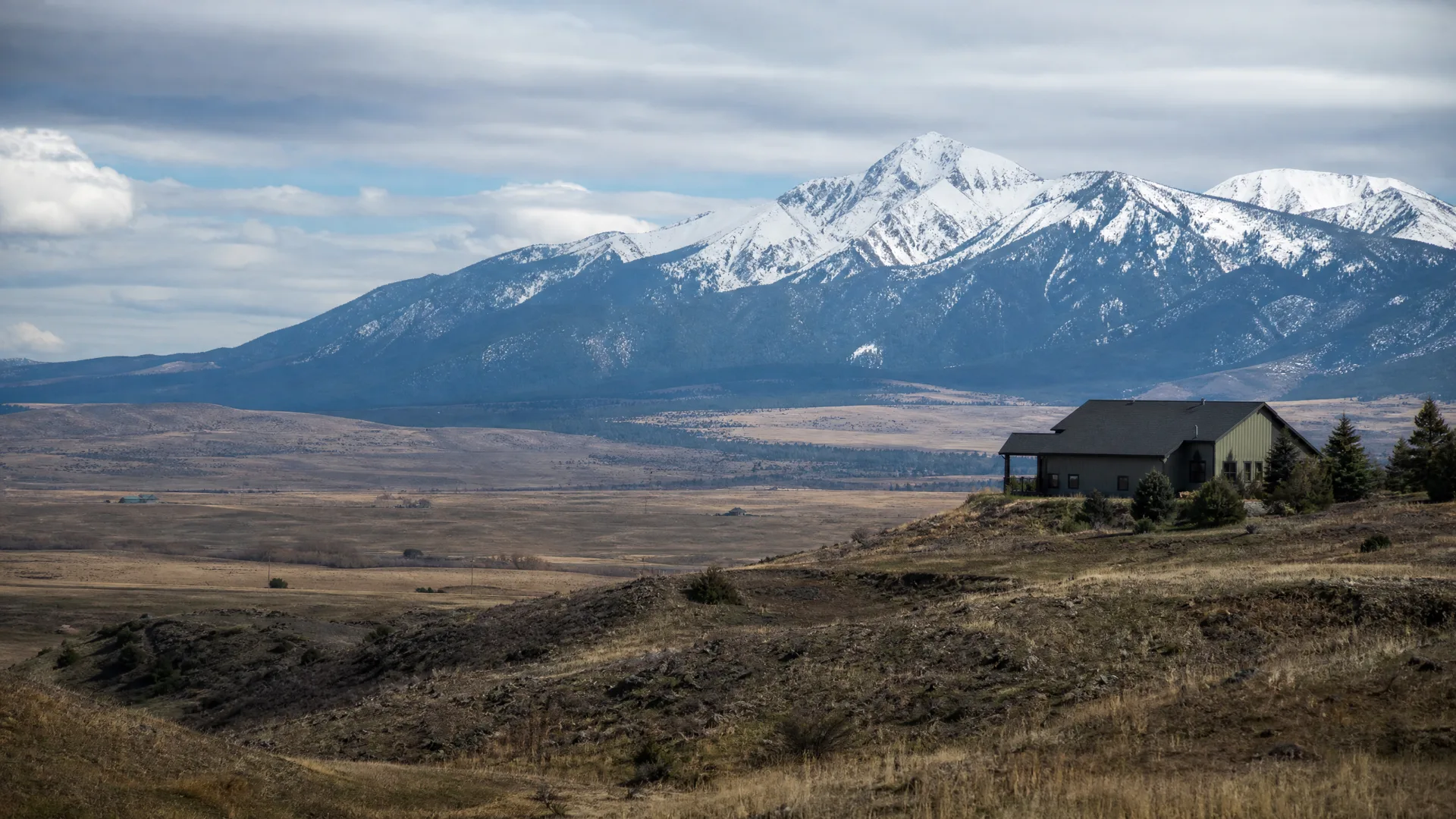

Running the way it should
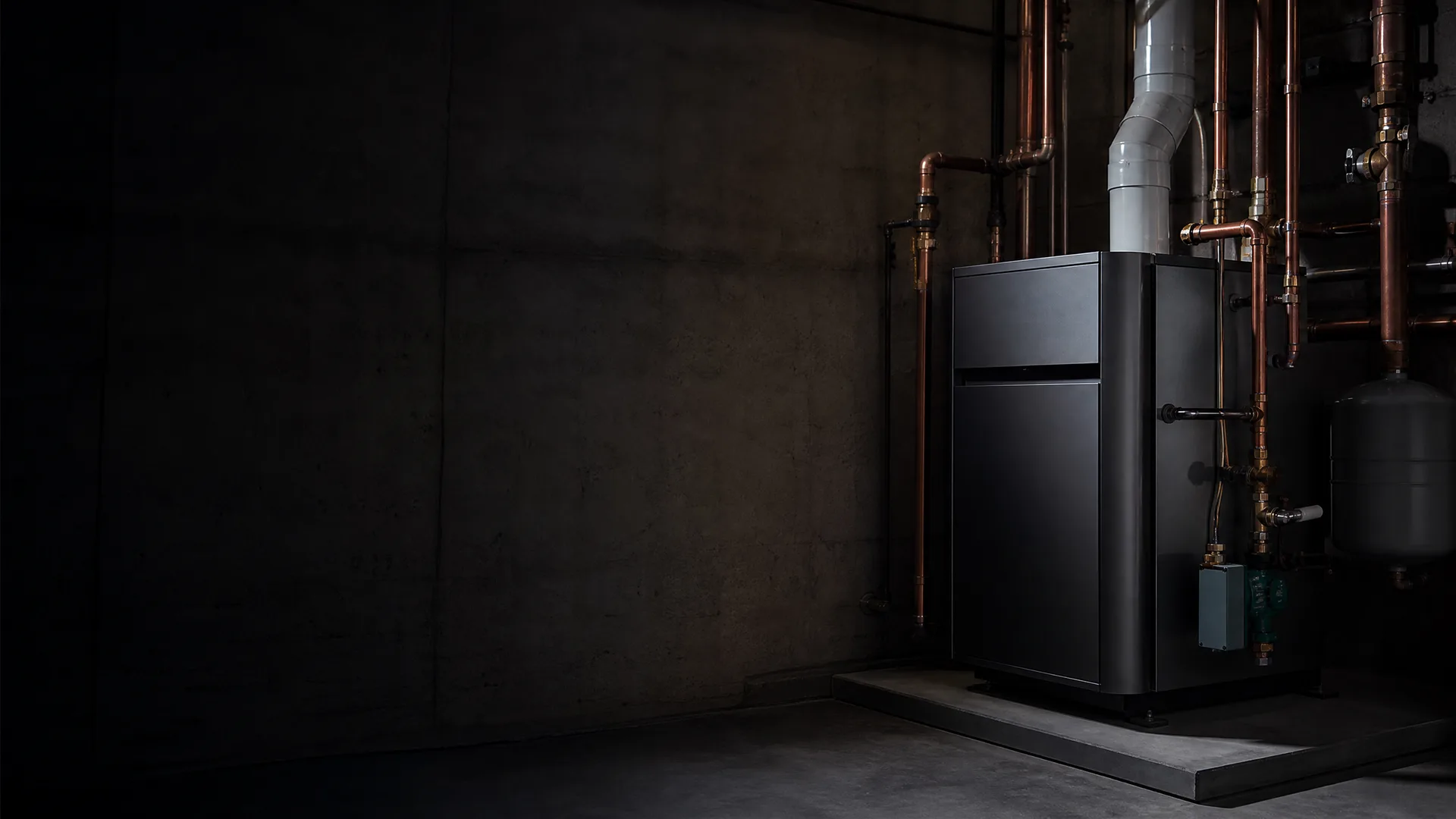
Clean copper lines, pumps turning, pressure holding steady. A boiler in good shape sits quiet most of the time and heats evenly when it runs. That's what a tune-up is meant to keep you at through a Montana winter.
Send the form and the boiler tune-up stops being something to remember.
I'm done searchingA boiler tune-up before winter covers the parts that decide whether your heat holds up once temperatures drop and stay down. A technician checks the pilot or ignition system, tests the pressure and temperature settings, bleeds air from the radiators or baseboards, inspects the heat exchanger for soot or cracks, and checks the circulator pump and expansion tank. Combustion gets tested too, since a boiler running on gas needs clean combustion to heat properly and vent safely. None of this is guesswork about whether the system will make it through a Montana winter. It's a check against the specific things that cause boilers to fail: a stuck valve, a fouled sensor, a pump losing efficiency. Catching those now means the boiler is working as it should before the cold sets in and stays for months, not getting diagnosed mid-January when a failure means no heat and a wait for a repair.
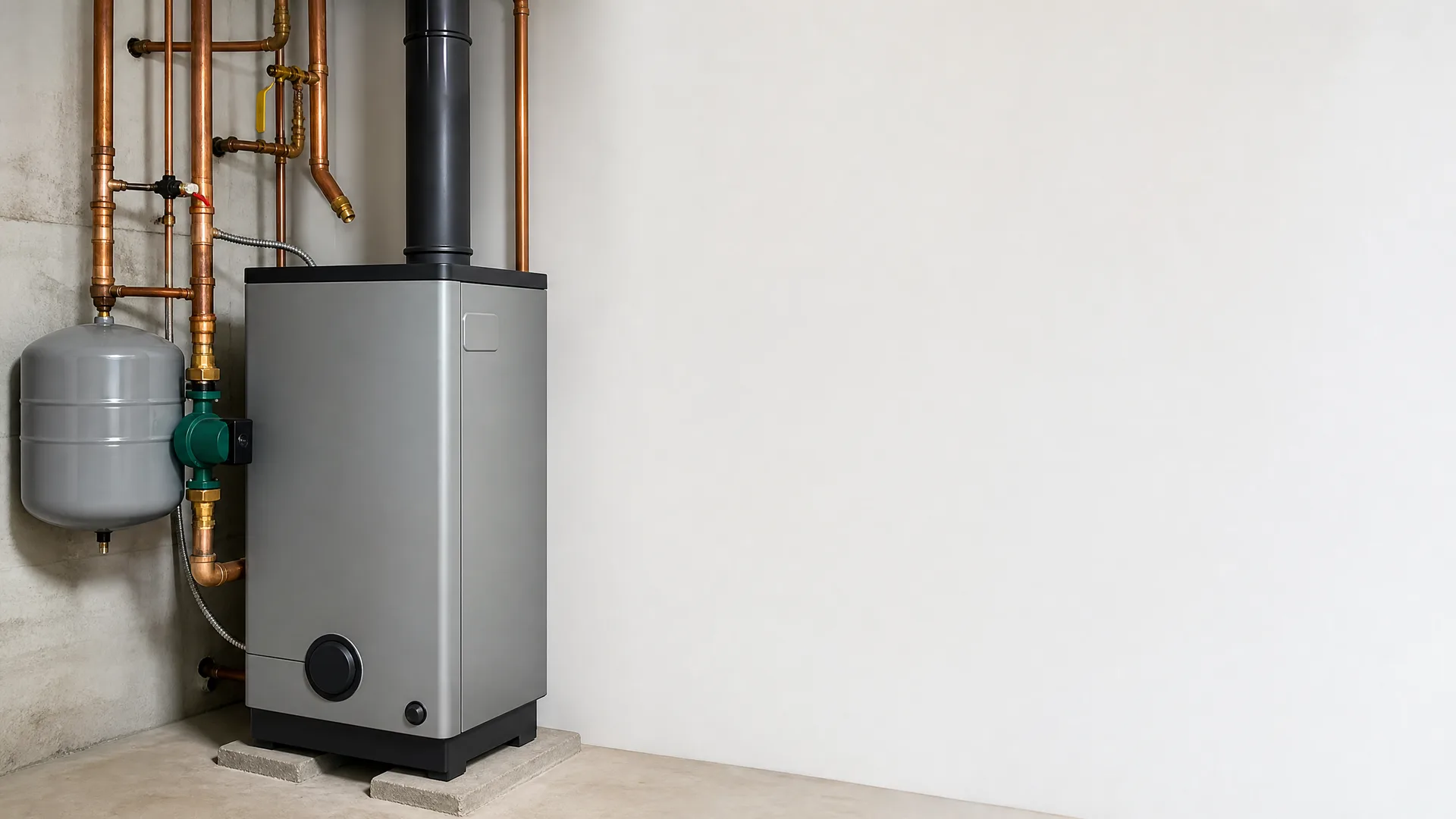
A boiler holds pressure between 12 and 15 psi when the system is cold. A technician checks this gauge during a tune-up because low pressure means water has leaked out somewhere in the system, and high pressure strains the relief valve. Either one left alone through a Montana winter can mean a boiler that won't fire when you need it most, or a valve that fails under the load of a hard cold snap.
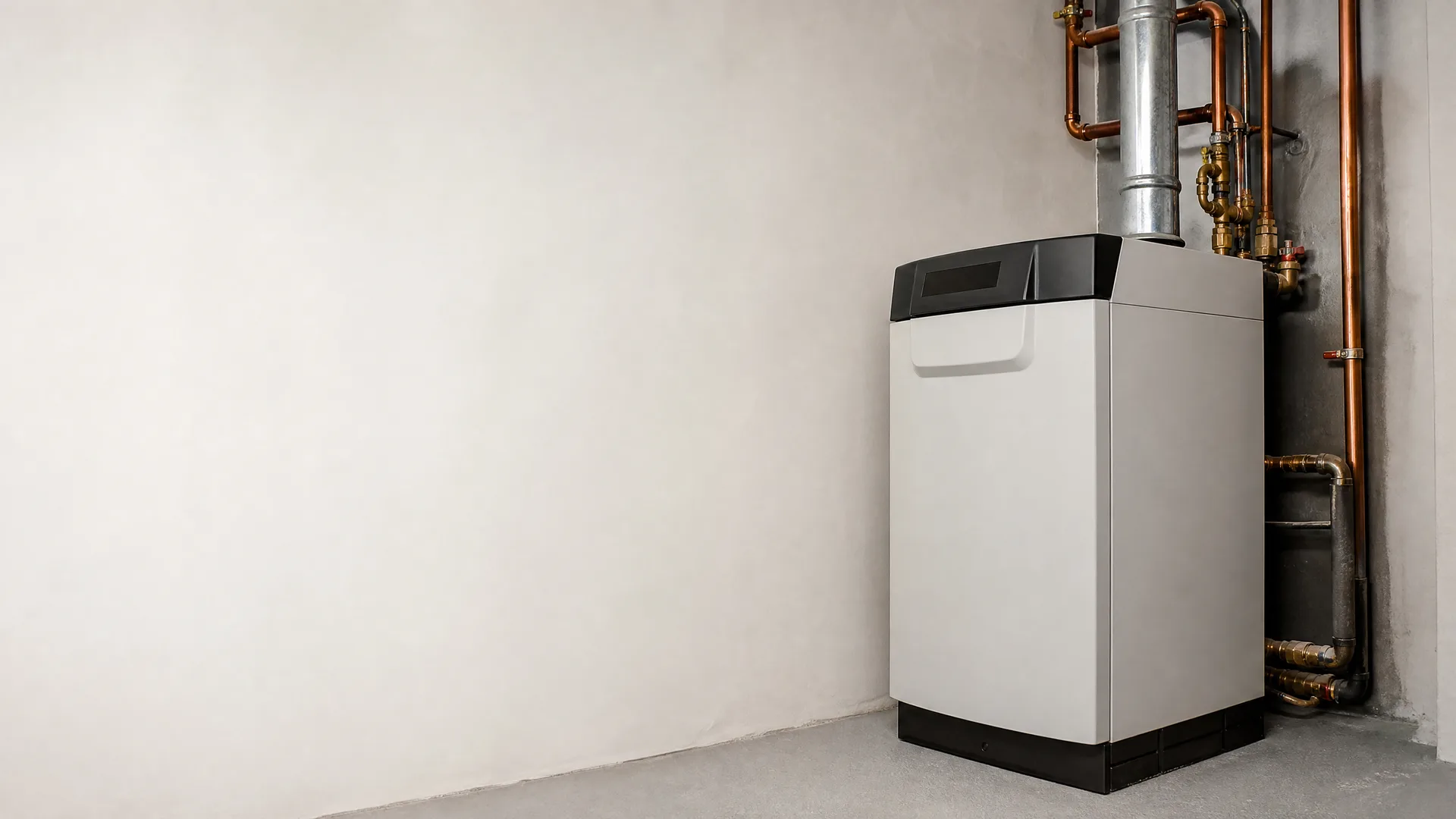
The flue carries combustion gas out of the house. A technician checks it for blockage and corrosion because a partly blocked flue can push exhaust back into the home instead of outside. This matters more once windows stay shut for the winter and nothing is drawing fresh air through the house. It's a quiet check, a few minutes with a flashlight and a meter, but it's the one that decides whether the boiler is safe to run all season.
Maybe your boiler has been running fine, so you haven't thought about it since last March. Maybe you've noticed something. A radiator that stays cold at the bottom while the top is warm. A low hum or a bang in the pipes when the heat kicks on. A pilot light that looks yellow instead of blue, or a boiler that shuts off on its own and needs to be reset. Any of these can mean the system is working harder than it should. In a Montana winter, that matters more than it would most other places. If a boiler fails on a night when it's well below zero outside, you're not just uncomfortable. Pipes can freeze before a contractor gets there.
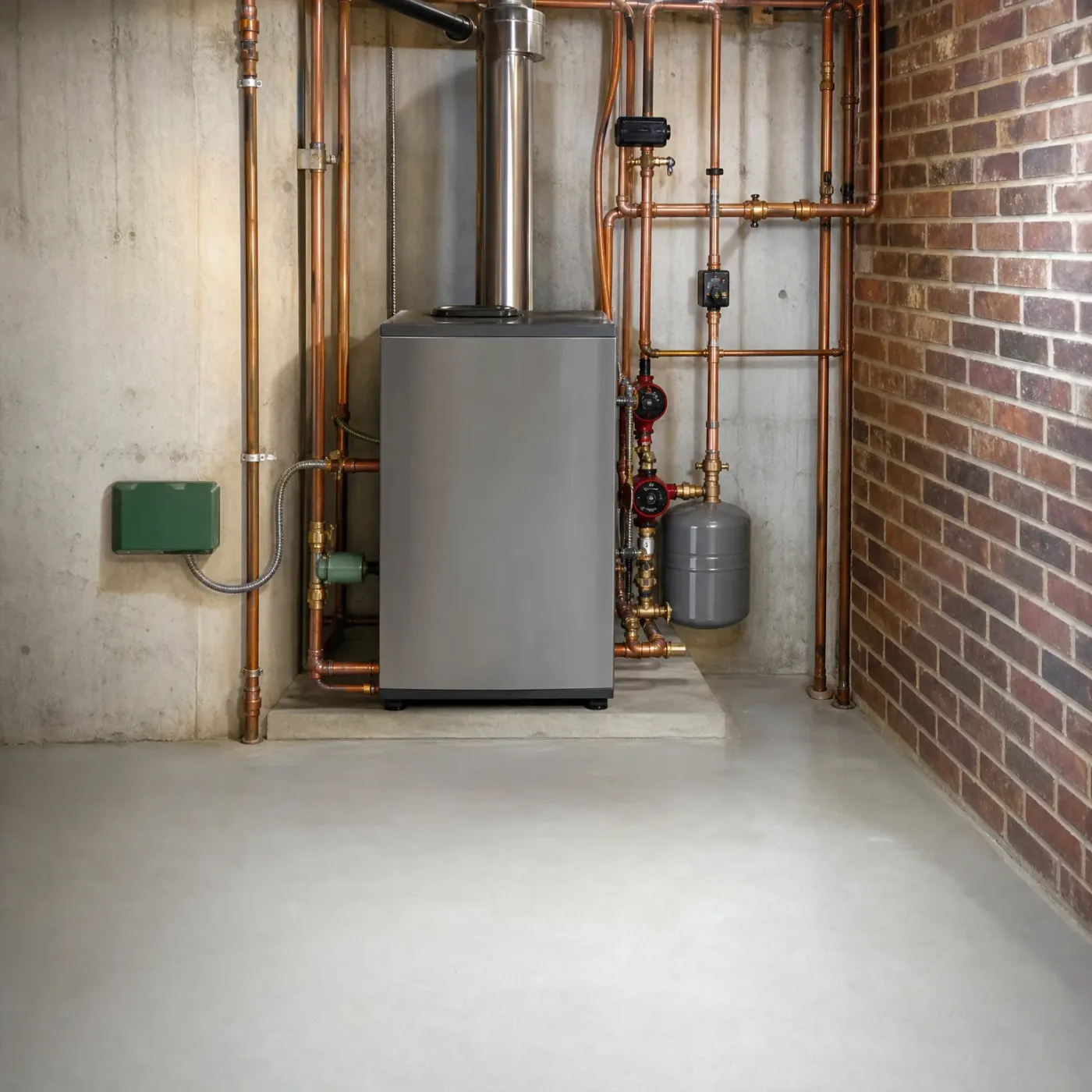
Clean copper lines, pumps turning, pressure holding steady. A boiler in good shape sits quiet most of the time and heats evenly when it runs. That's what a tune-up is meant to keep you at through a Montana winter.
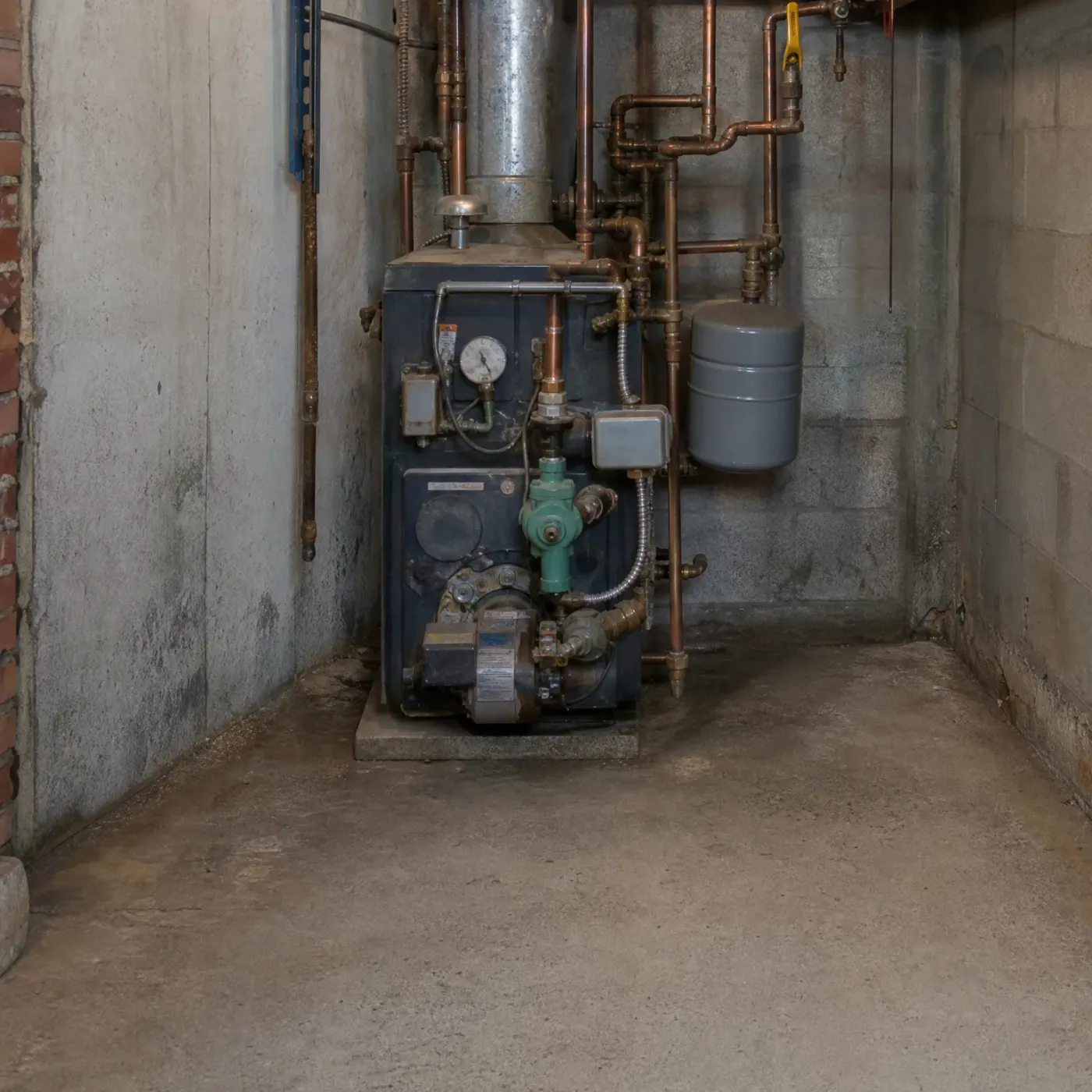
A pressure gauge that's drifted low, a circulator pump working harder than it should, a flue pipe carrying away more than it used to. None of that announces itself until a cold night in January, when Montana doesn't give you a second chance to catch it.
You want to know what you're paying for before you book it. "Tune-up" can mean a quick look or a real service, and you'd rather know the order of operations than take it on faith. If you understand what the technician is actually doing, you can tell whether the job was done right and whether anything got skipped before the cold sets in.
A technician starts with the boiler off, opening the jacket to look at the burner and heat exchanger for soot or corrosion. Next comes the ignition system, cleaned and tested so it lights reliably on the first try. Then the system gets fired up to check pressure and temperature against the manufacturer's settings, and the relief valve gets tested while it's running. Radiators or baseboard loops get bled to clear trapped air, since air pockets are what cause cold spots and banging pipes. Combustion is checked last, with the flue and venting inspected to confirm exhaust is clearing the way it should. Each step depends on the one before it, which is why skipping ahead misses problems the earlier steps would have caught.




Once you know what a tune-up covers, the next step is just getting someone out to do it before the cold sets in. That's the part that eats a Saturday: searching for a boiler technician in your area, calling two or three, explaining the same thing about your radiators or your pressure gauge to each one, then sitting with quotes trying to guess who's actually worth the call. Send this request instead and that whole chore is off your plate. One contractor gets it, not five, so you're not fielding competing bids or repeating yourself. There's no cost and no obligation to send it. You still get to decide who comes out, but you're not the one hunting them down while Montana nights get colder and your boiler keeps running on whatever shape it's in right now.
Book the tune-up now, in September or October, while technicians are still scheduling ahead instead of running behind.
Wait until the first cold snap, and you're calling the same technicians everyone else in Montana is calling, with a boiler that may not wait its turn.
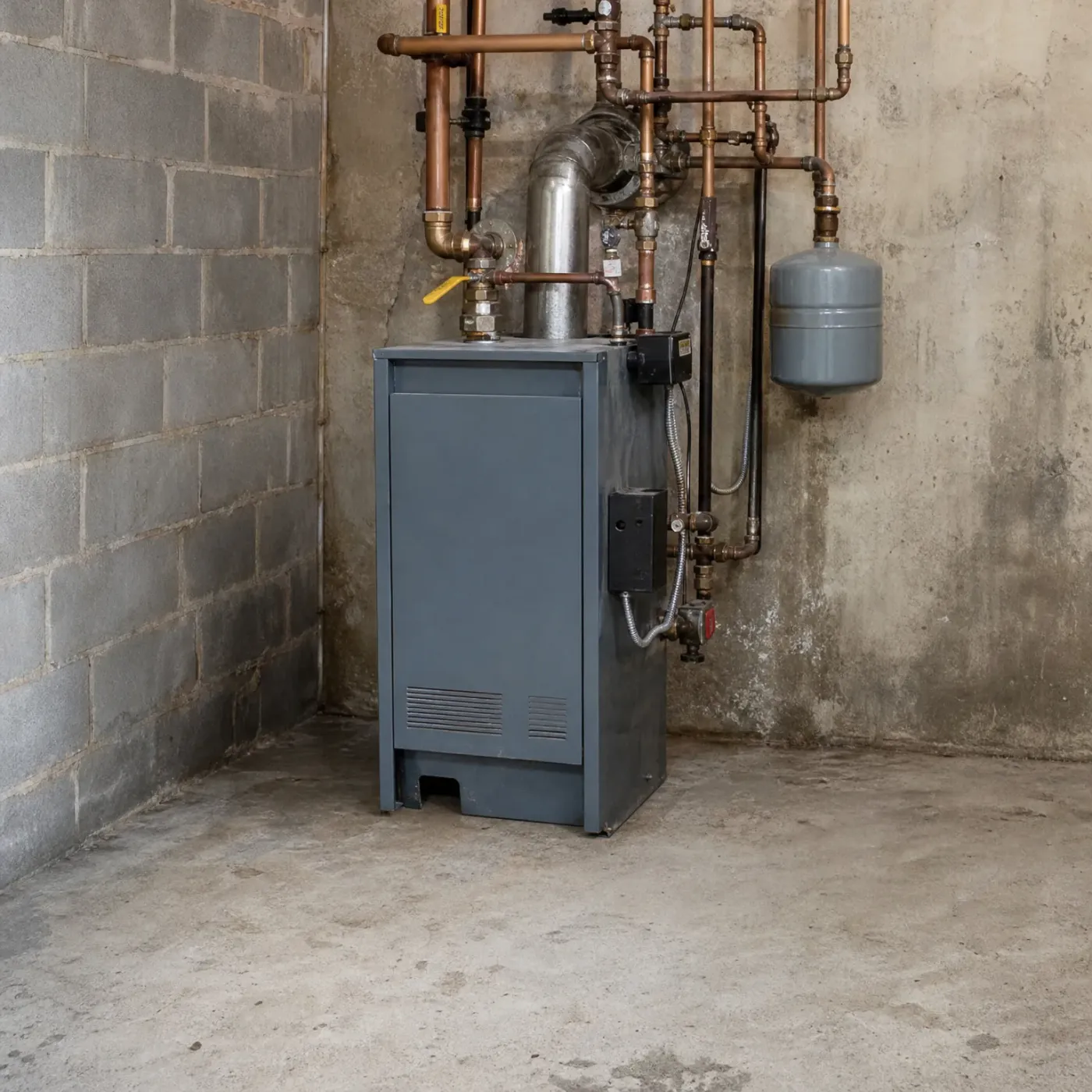
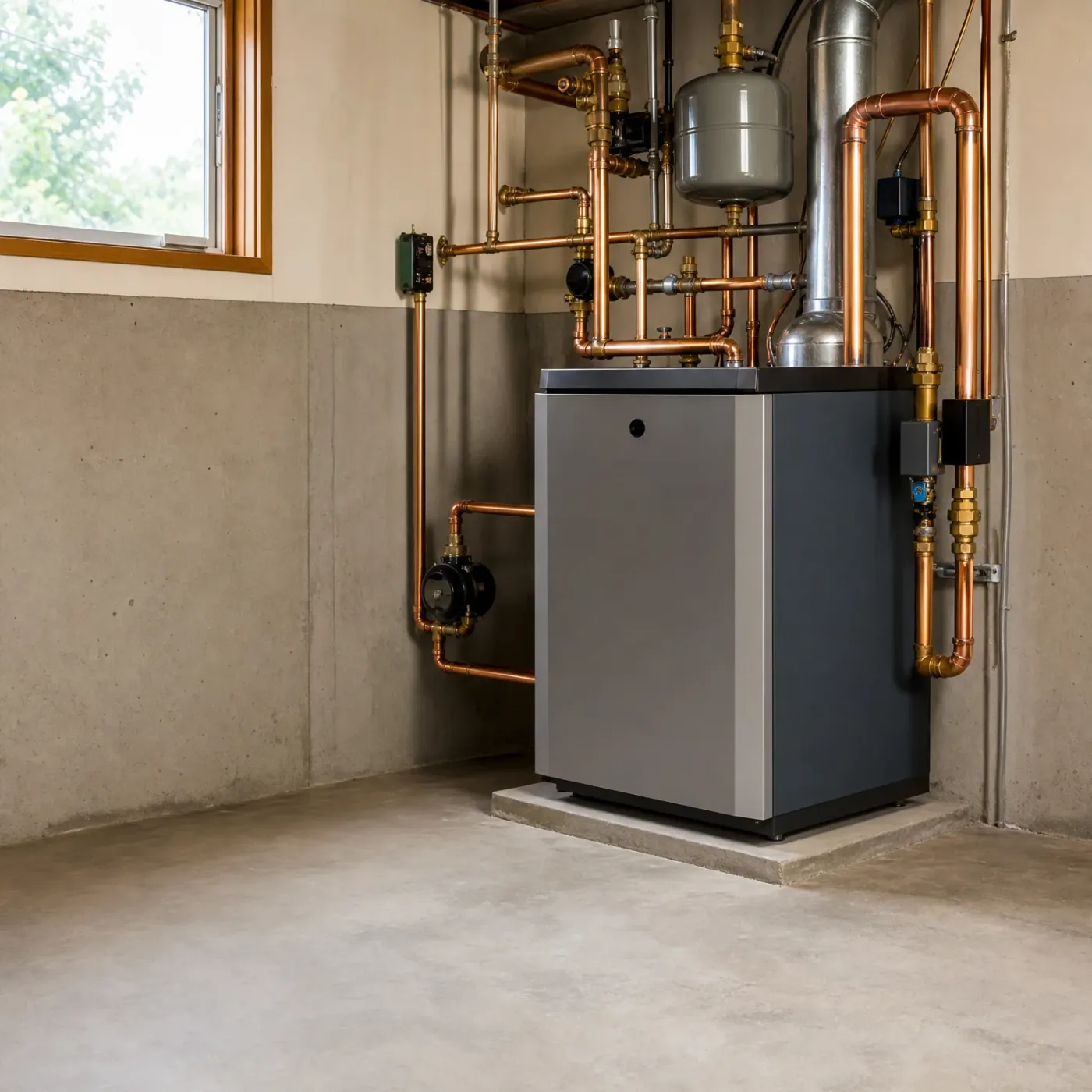
Technician shuts off power and gas before opening the boiler.
Combustion chamber and burner get inspected for soot and corrosion.
Heat exchanger is cleaned to restore proper heat transfer.
Pilot or ignition system gets tested for a steady flame.
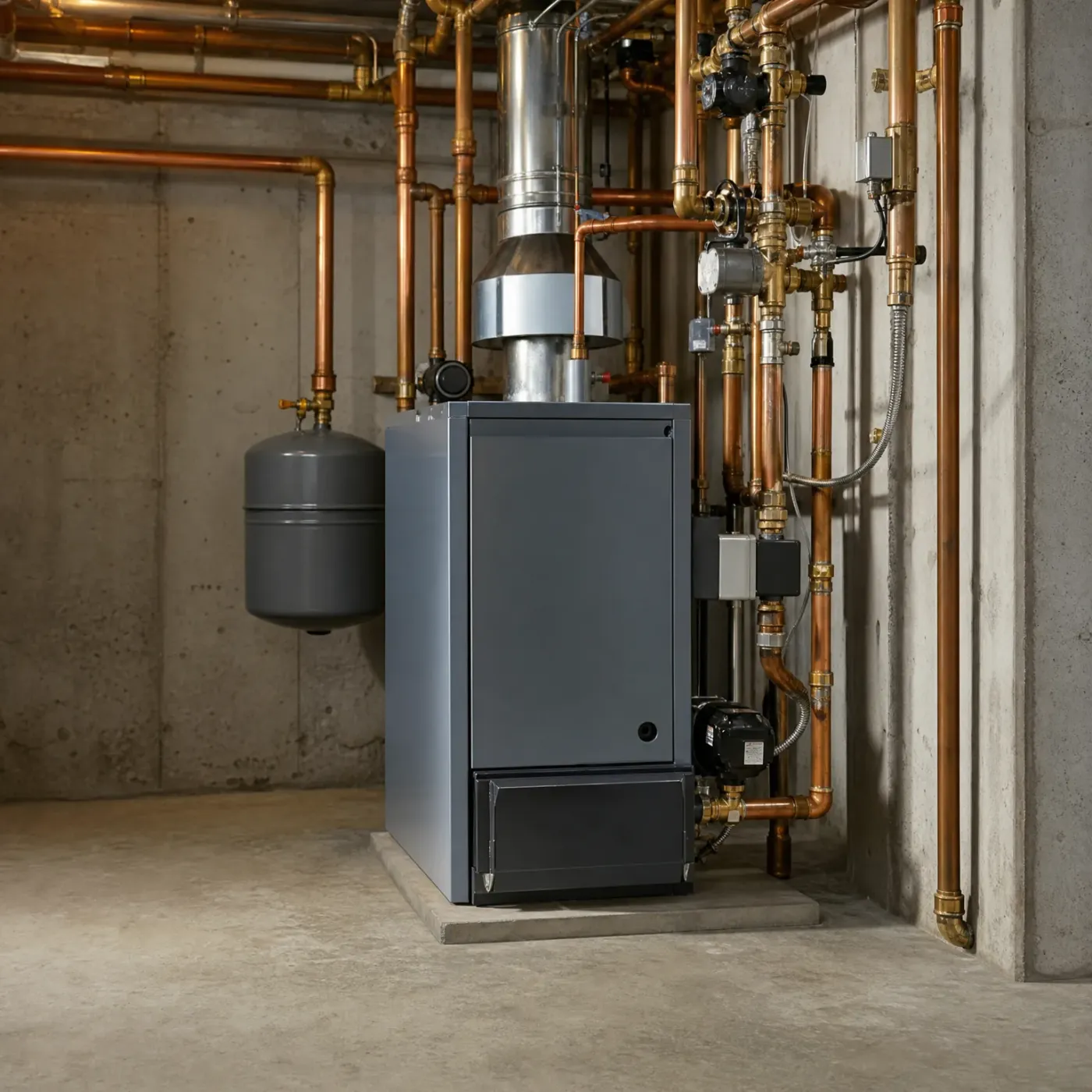
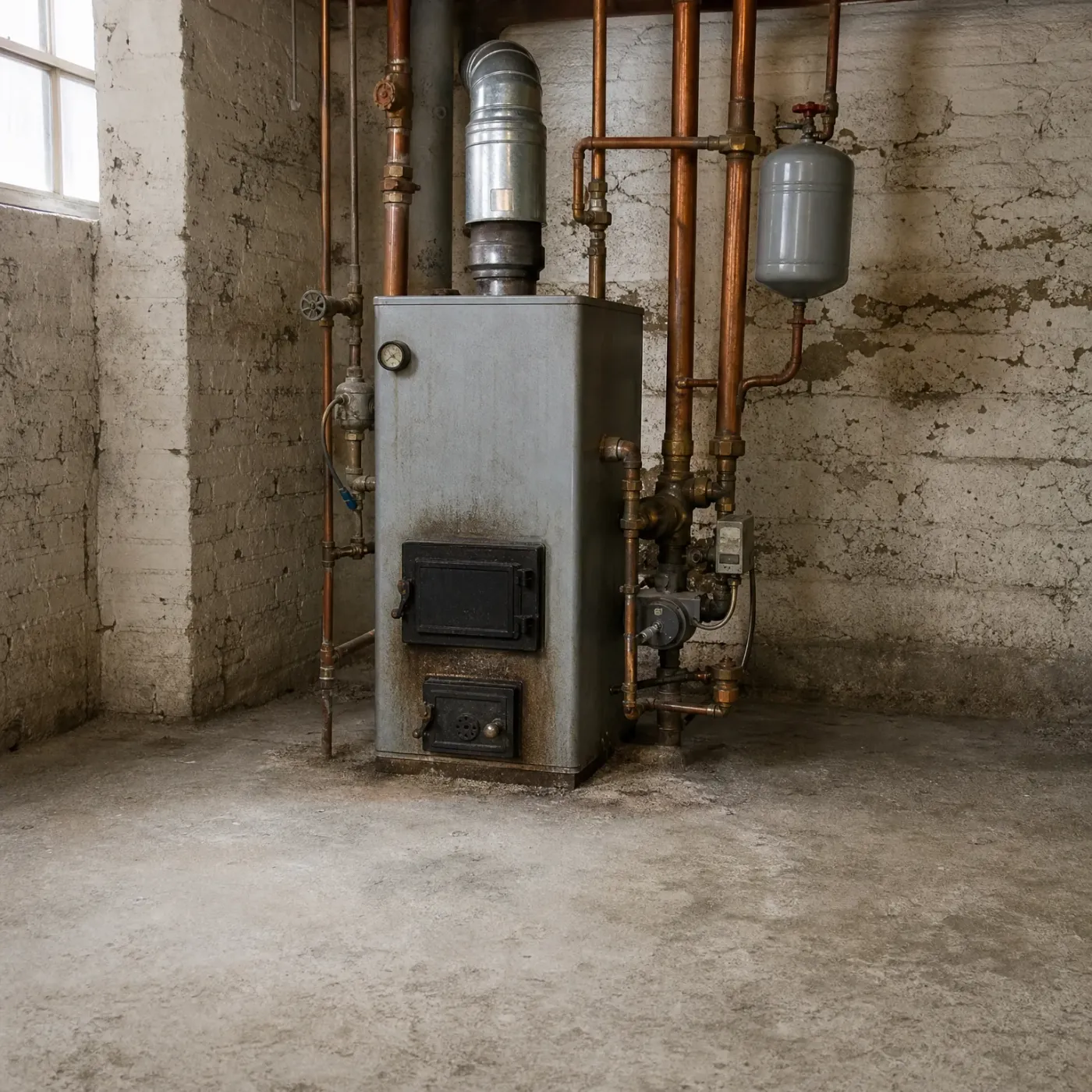
Winter nights average 15°F across Montana, according to NOAA climate data. That's cold enough that a boiler isn't cycling on and off anymore, it's running long stretches just to hold the house steady. A system that's slightly out of tune, a little low on pressure or a burner with uneven flame, has to work through the whole night to keep up, and you'll notice it in a house that never quite feels warm by morning, or a boiler that seems to run constantly instead of settling into normal cycles. A tune-up before the cold sets in is what keeps those long cold nights from exposing a small problem that's been easy to ignore since spring.
NOAA nClimDiv 1991-2020 county normals weighted by homes

A boiler tune-up before winter comes down to this: the pilot lights reliably, the pressure sits where it should, the burner is clean, and the radiators heat evenly from top to bottom. That's the whole answer. Everything above is what goes into checking those things.
Where you stand now is simple. You either book this before the cold sets in, or you wait and hope the boiler holds. If you'd rather not spend an evening searching for a technician, calling around, and explaining the same radiator noise three different times, sending the form does that part for you. You'll still need the tune-up done. You just won't have to go find someone to do it.

One form instead of hunting for a pro who does boiler tune-ups.