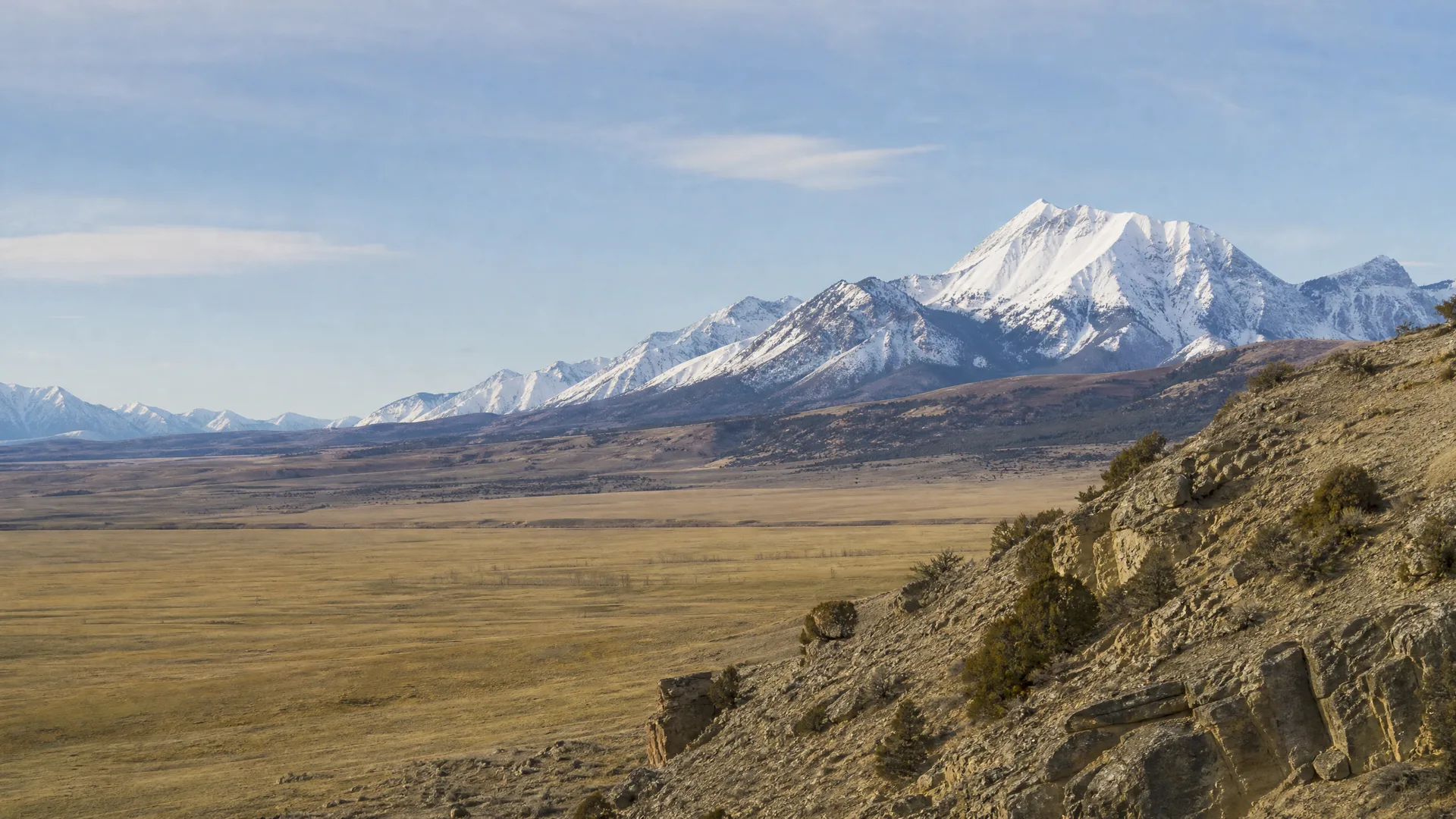
A condensing boiler running clean
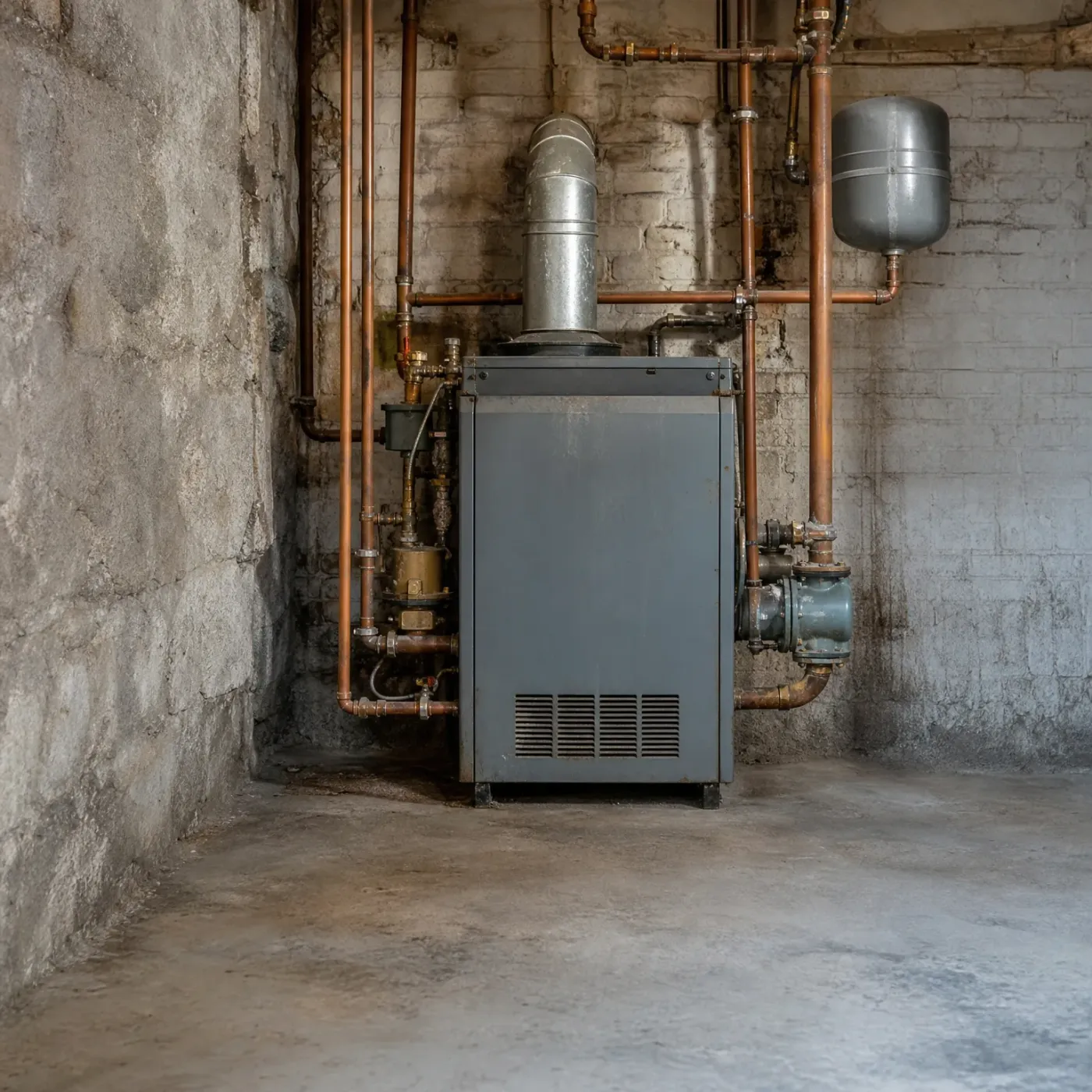
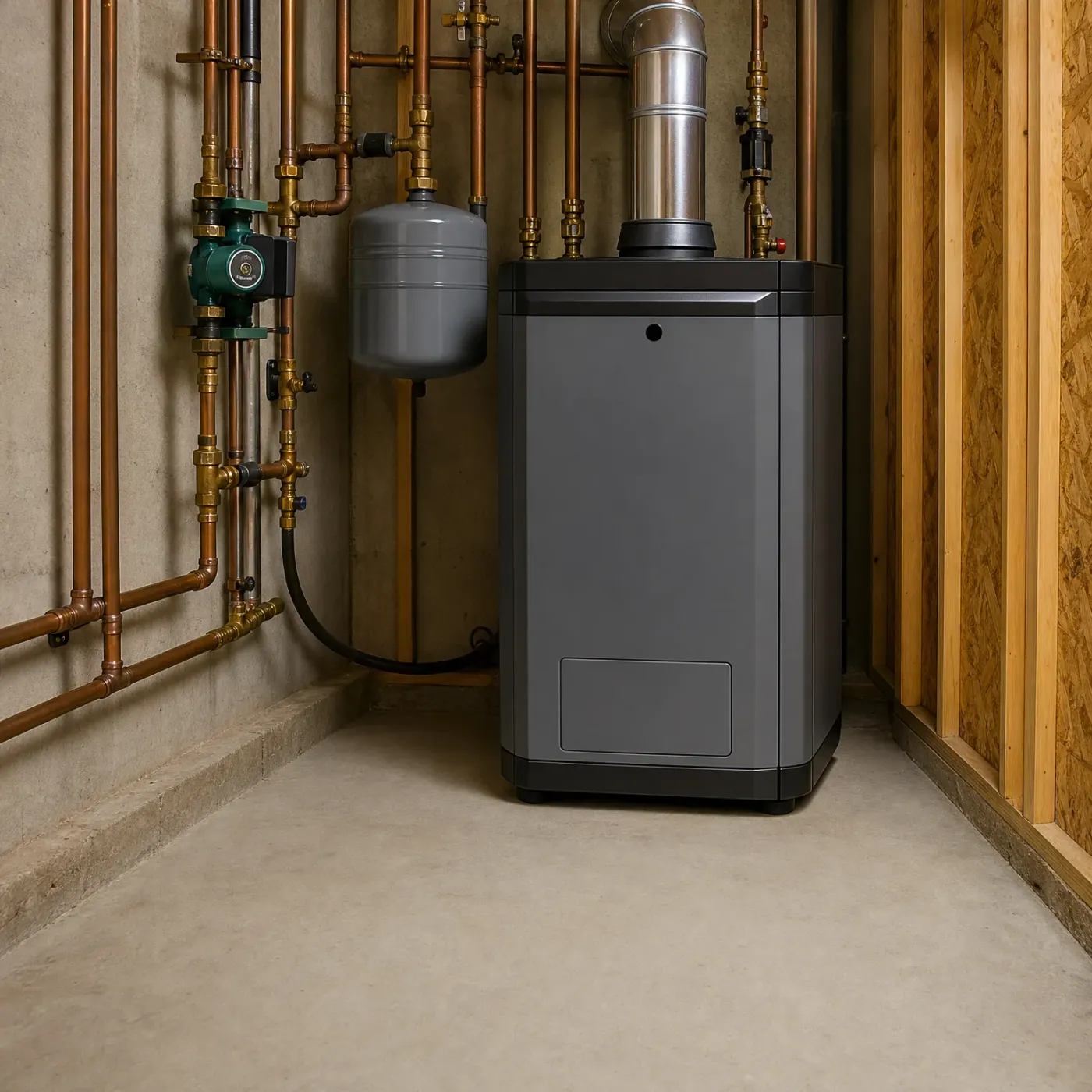
That second heat exchanger keeps pulling warmth out of the exhaust all winter. The flue vent stays cooler to the touch, and the system holds steady pressure instead of working harder as the months go on.
Once you send the form, finding a pro is off your list.
A high-efficiency boiler is worth it in Montana if your winters keep the heat running for months at a time, which they do here. These boilers pull extra heat out of the exhaust before it leaves the house instead of sending it up the flue, so they burn less gas to hold the same temperature. Montana homes heat with gas and run that heat hard from fall into spring, so the savings show up on more months of bills than they would somewhere milder. Power here stays cheap, which doesn't change the math much since the boiler runs on gas, not electricity. The real payoff depends on the boiler you have now and how many hours a year it works. If your current boiler is old enough to need replacing anyway, upgrading to a high-efficiency model costs little extra and pays you back faster than in a place where the furnace barely runs half the year.
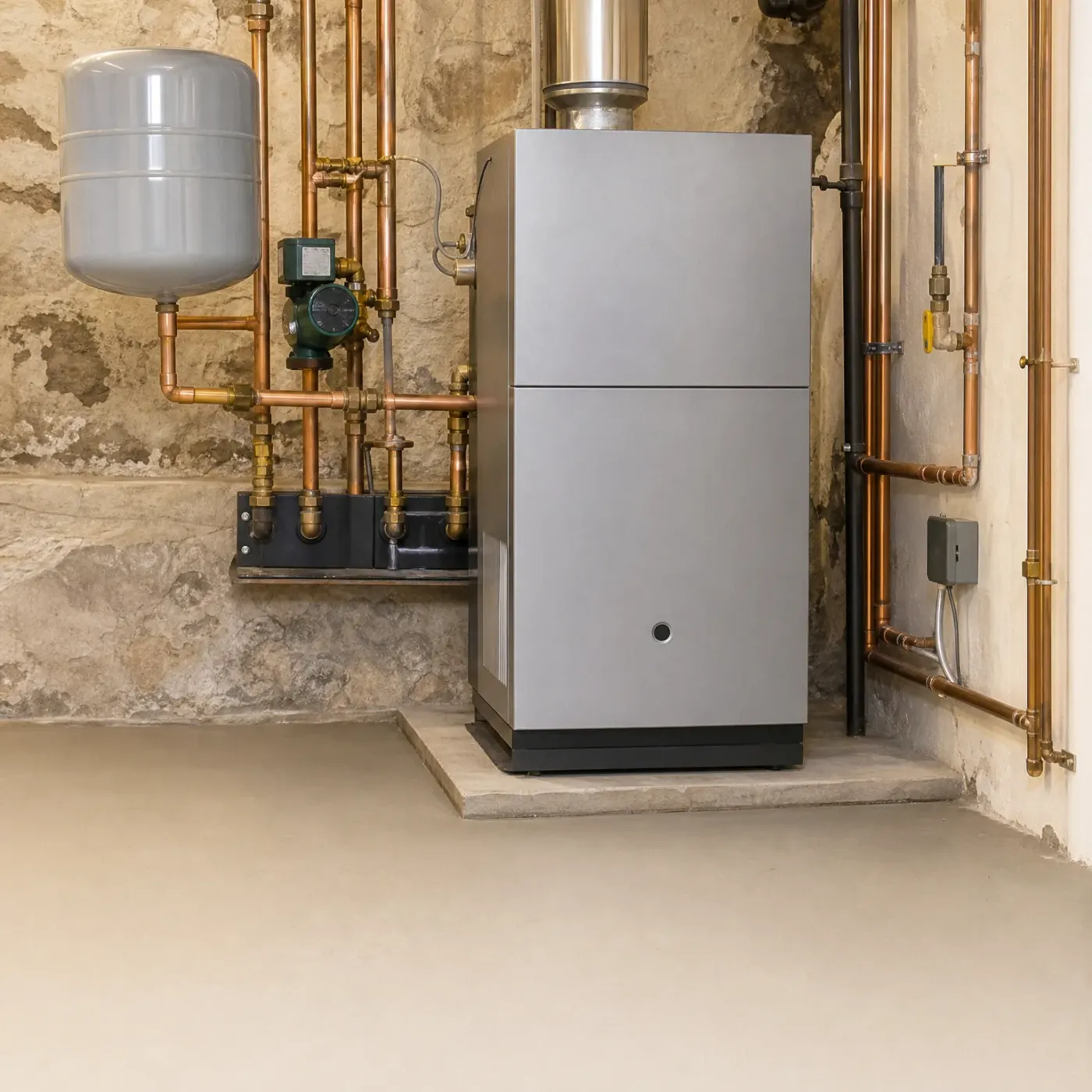
That second heat exchanger keeps pulling warmth out of the exhaust all winter. The flue vent stays cooler to the touch, and the system holds steady pressure instead of working harder as the months go on.
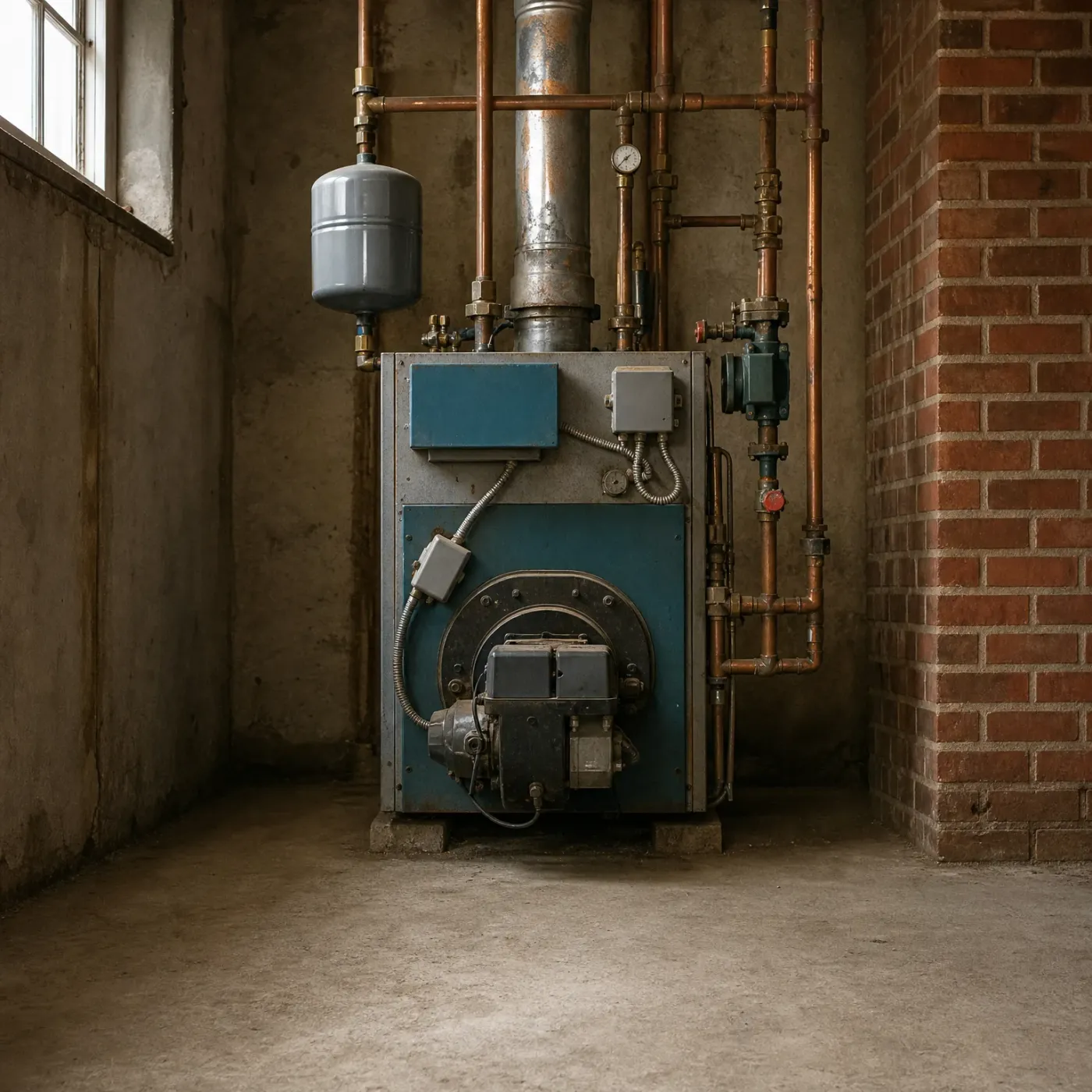
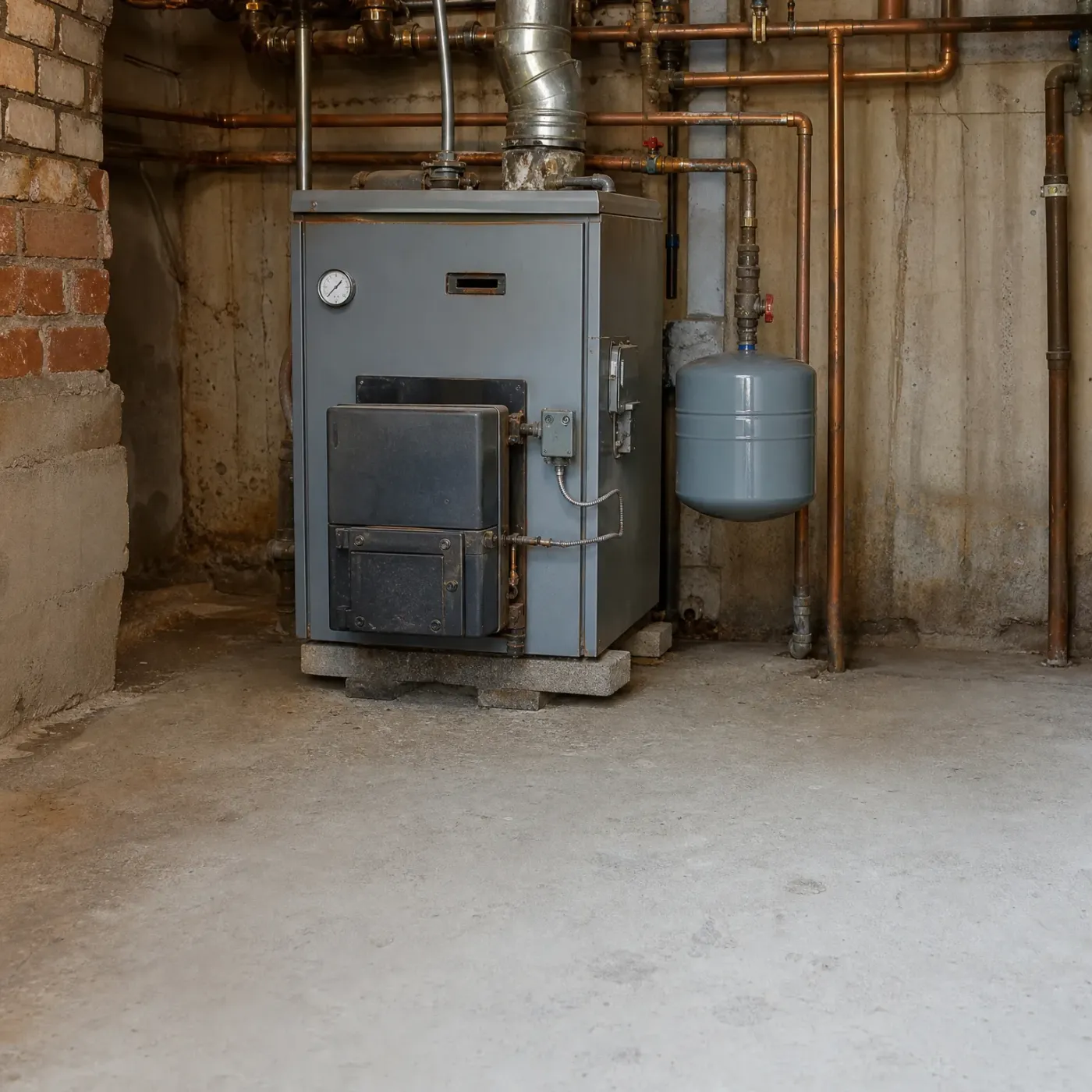
That blue paint and that pressure gauge mean this unit is decades old. It sends a lot of heat straight up the flue stack instead of into your house, and it's using more gas to do less for the rooms that matter.
You might notice the burner running longer to reach the same temperature, or the rooms farthest from the boiler never quite catching up. Some old boilers short cycle, kicking on and off every few minutes instead of running a steady stretch. You may hear more banging or kettling from the heat exchanger, or notice the flue pipe staying warm to the touch long after the burner shuts off. If the pilot or igniter has gotten unreliable, you could be relighting it yourself on the coldest mornings, right when the household needs heat the most. None of this means the boiler is about to fail, but a unit that keeps falling behind through a full Montana winter is costing you more gas than it should, month after month, to keep everyone warm.




At 15°F, your boiler isn't cycling off much between December and February. It's holding a burn through the night to keep the house livable by morning. A high-efficiency model recovers more of that heat instead of losing it up the flue, which matters when the burner runs this long this often.
NOAA nClimDiv 1991-2020 county normals weighted by homes
A high-efficiency boiler is rated 90 to 98 AFUE, meaning it turns 90 to 98 cents of every dollar of gas into heat for the house. An older cast iron or steel boiler usually sits closer to 65 to 80 AFUE, so a chunk of every burn goes straight up the flue as exhaust heat instead of warming a room. That gap doesn't change with the weather. It's built into the machine. In a Montana winter, where the burner is lit for months without much of a break, that difference in AFUE runs the same math over and over, night after night, the whole season.
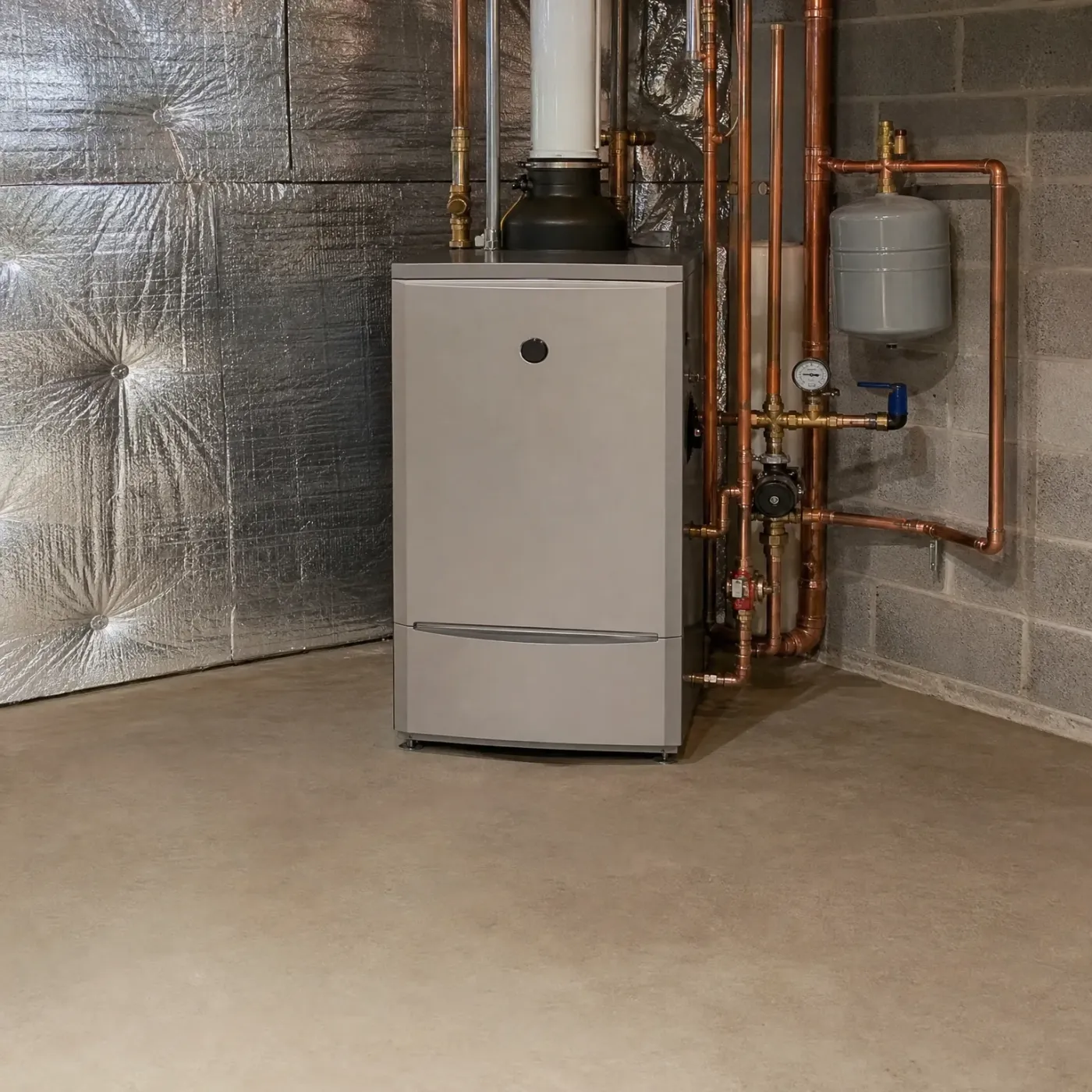
A standard boiler has one heat exchanger. Gas burns, heat passes through it once, and whatever didn't transfer leaves through the flue still hot. A condensing boiler adds a second heat exchanger downstream of the first, built to handle the condensation that forms as the exhaust cools further. That second pass pulls more heat out of the same flame before it leaves the house. It's why the flue pipe on a high-efficiency unit runs cooler to the touch and is usually PVC instead of metal. The metal flue on an old boiler has to handle exhaust that's still hot enough to need it.
A boiler that runs hard from October to April is going to need work eventually, and when it's a 15 below night and the burner won't stop short cycling, you don't want to be the one calling around. Finding a licensed contractor in Montana who actually works on boilers all winter, not just once in a while, is the part that takes time. Send the request once and it goes to one local contractor who knows these systems and what tends to fail on them after a few hard winters, not five companies competing for the job. You're not stuck making calls or waiting on hold while the house gets colder. Once the form is in, it's off your plate. Whether you're replacing a boiler that's on its last run or deciding if a high-efficiency model makes sense for your house, the next step is getting someone out who can look at what you actually have.
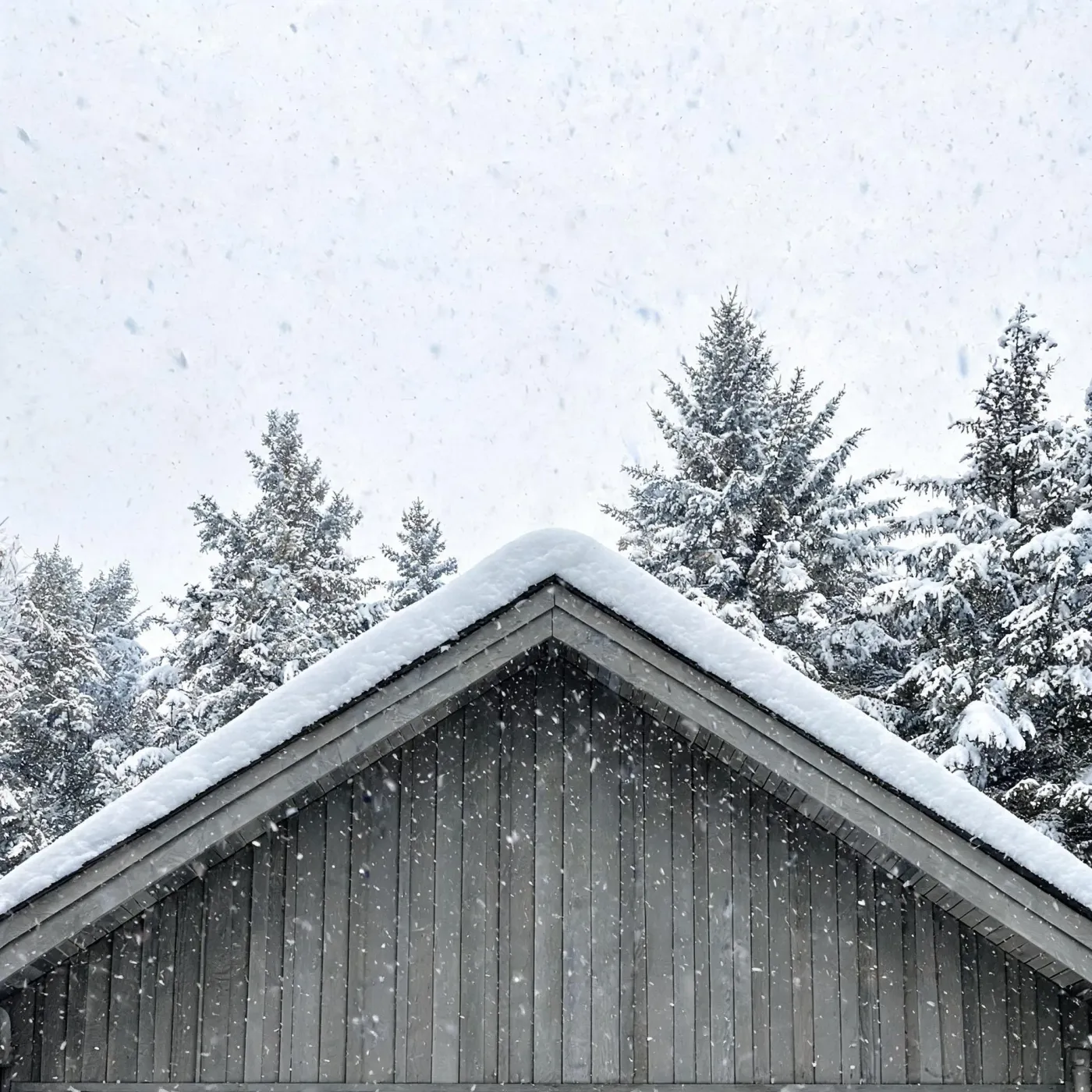
Statewide, winter nights average 15°F, and Montana winters don't let up for a few weeks and then move on. That cold sits on the house for months, so your boiler spends most nights holding a long, steady burn instead of cycling on and off. An old cast iron or steel unit answers that by burning more gas to hold the same temperature, and you'll feel it as rooms that take longer to warm or a burner that seems to run most of the night. A high-efficiency boiler pulls more heat out of that same burn before it leaves the house, so it isn't working as hard to keep the house livable by morning. Source: NOAA climate normals.
NOAA nClimDiv 1991-2020 county normals weighted by homes
You've heard the AFUE numbers and seen the pressure gauges, but what you actually want to know is the mechanical part: what happens inside the boiler that makes a 95 AFUE unit different from the old one in the basement. It's not a different kind of gas or a bigger flame. It's what happens to the exhaust after the burner fires.
An old boiler burns gas, pulls heat off it once, and sends the leftover exhaust straight up the flue while it's still hot. That's wasted heat leaving the house. A high-efficiency boiler runs the exhaust through a second heat exchanger first, usually stainless steel or aluminum, and cools it down enough that the water vapor in it condenses back into liquid. Condensing that vapor releases the heat that was holding it as a gas, and the second exchanger grabs that heat too before it ever reaches the flue. That's why the exhaust pipe on a condensing boiler runs cool enough to touch, and why it drains, not vents, through PVC instead of metal.
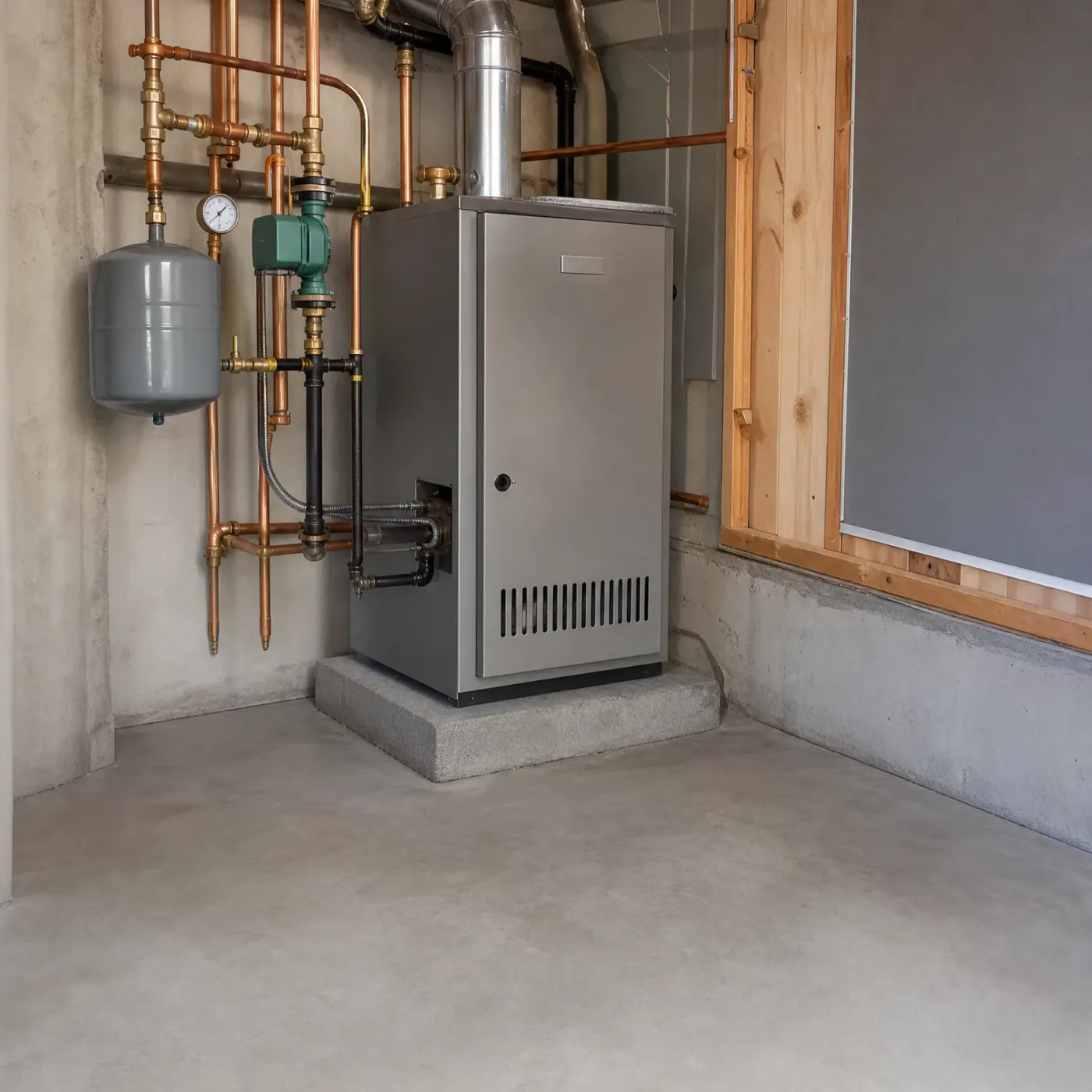
This is a boiler that isn't fighting itself. The pump runs steady, the pressure gauge sits where it should, and the flue stays cool enough to touch. Nothing about the burn is straining to keep the house warm on a 15 below night.
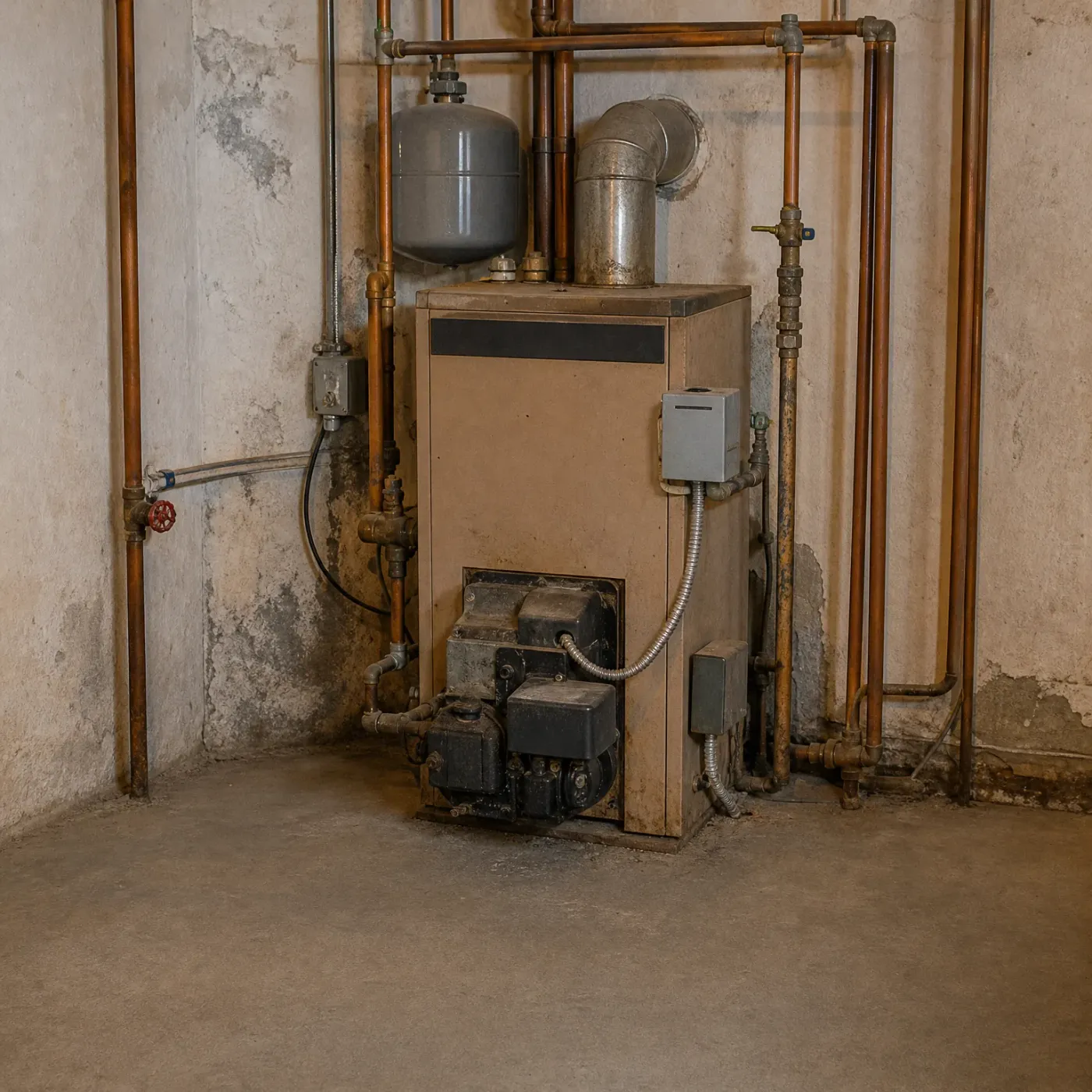
Copper pipes still run everywhere, but the boiler feeding them is old oil-fired iron with the burner and pump exposed at the base. It's the kind that gets hauled out after one more hard winter, not the kind worth patching again.


A high-efficiency boiler makes sense in Montana because your winters ask for it. The burner isn't resting much from October through April, and a unit that turns 90 to 98 cents of every gas dollar into heat instead of 65 to 80 is doing real work over that stretch, not just looking good on paper. Whether that math applies to your house comes down to what your current boiler is doing right now. If it's holding pressure fine and the burn sounds steady on a cold night, there's no urgency. If it's short cycling, running longer than it used to, or you've noticed rooms that never quite catch up, that's your answer already, and it's not about a statewide number.
What happens next matters as much as the decision. A request through this page goes to one licensed Montana contractor, not a handful of companies all chasing the same lead. That contractor is local, works on boilers like yours through every winter here, and already knows where a cast iron unit tends to give out first after years of long steady burns. That's a different conversation than starting from scratch with someone who doesn't see this equipment in this climate on a regular basis. You're not left sorting through bids or explaining your situation five times over. Once you send the request, finding the right person for the job stops being something you have to manage yourself.





Your request goes to one pro, not a list of companies.
Sending the form costs nothing.