
How to bleed radiators before a Montana winter
Bleeding a radiator means opening the small valve at its end to let trapped air out, until water comes through steady instead of air hissing out. Air gets into the system over the summer when the boiler sits idle, and it collects at the top of each radiator, so the top of the radiator stays cool while the bottom heats up fine. Hold a cloth or small container under the valve, turn it slowly with the bleed key until the hiss stops and water starts to dribble, then close it. Do this to every radiator in the house before the boiler has to run hard, since a system full of trapped air makes the boiler work to heat rooms that still won't get warm. In Montana, where the furnace sits idle all summer and then gets asked to carry real cold starting in the fall, this is worth doing before that first cold stretch rather than after you've noticed a cold radiator.


How to Bleed a Radiator
- Shut the boiler off first so the circulator pump isn't pushing water while the valve is open.
- Work from the lowest floor up, since trapped air rises and settles in the radiators furthest from the boiler.
- Use a radiator key or flathead screwdriver, whichever fits the bleed valve on your unit.
- Hold a cloth or small cup under the valve, because a hiss of air is often followed by a spurt of water.
- Close the valve the moment the air stops and water flows out in a steady thread, not a trickle.
- Check the boiler's pressure gauge afterward, since bleeding several radiators can drop system pressure below what it needs to run.
Turn off the boiler before you touch anything. With the circulator pump running, water keeps moving through the pipe behind the air pocket, and that makes it harder to get a clean release. Once it's off, start with the radiators on the lowest floor. Air rises through the system and tends to settle furthest from the boiler, so working bottom to top and nearest to farthest keeps you from bleeding the same radiator twice.
Most radiators have a bleed valve at one end, a small square or slotted fitting near the top. A radiator key fits the square ones; a flathead screwdriver works on the rest. Turn it slowly, counterclockwise, just a quarter turn to start. You'll hear air hissing out first. Keep a cloth or small cup underneath, because once the air clears, water follows, sometimes in a quick spurt rather than a drip.
The moment the hiss stops and you get a steady thread of water, close the valve. Don't wait for a big gush, that's more pressure than you need to lose. Do this for every radiator in the house, then check the pressure gauge on the boiler itself. Letting several radiators off at once pulls the whole system's pressure down, and most boilers won't fire again below a certain point. If the needle's low, you'll need to add water back through the filling loop before the boiler's ready for winter.




Why air gets in every summer
A boiler is a sealed loop, but it still loses a little water over time through the valves and fittings, and whatever replaces that water carries dissolved air with it. The system sits unused for months once the weather warms up, and that air works its way out of the water and rises into the radiators while nobody's touching the thing. By the time you turn the heat back on, every radiator in the house has some air sitting in it. That's why bleeding them in fall, not partway through winter, catches the problem before the first cold night.
What a cold spot is telling you
If the top of a radiator stays cold while the bottom gets hot, that's air sitting right where the heat should be. Water can't push past it, so that part of the radiator just doesn't heat. It's not a sign anything's broken. It's the same air that collected over the summer, and it's why the radiator farthest from the boiler usually feels the worst of it. Once you let that air out and water fills the space, the whole radiator should heat evenly, top to bottom, the same as the rest of the house.
Winter nights average 15°F statewide
At 15 below zero some nights, a radiator with air trapped in it is the one that stays cool at the top while the room won't warm up. Bleed each one before that first hard freeze, not after you've already noticed the cold spot.
NOAA nClimDiv 1991-2020 county normals weighted by homes
A radiator with air trapped at the top only heats from the bottom half, so the room runs cold no matter how high you turn the thermostat.
Bleed it and the whole radiator goes hot, the boiler stops running longer to chase a temperature it was never going to reach, and the room actually warms up.


Matched to your boiler job
Bleeding every radiator in the house takes patience, and it's easy to miss one in a back bedroom or leave a valve seized from a season you skipped. That's the one that goes cold when Montana hits its first stretch of zero nights. A contractor who works on boilers in this state all winter has seen which valves tend to stick, which systems lose more water than they should, and what else is worth checking while the boiler's already shut off. You get matched with one contractor local to you, someone who services this kind of system regularly, not a list of companies competing for the job. They'll reach out and look at your setup directly. With a gas boiler and a Montana winter ahead, getting the air out of every radiator before the cold sets in is worth having someone who knows the equipment take a look, rather than working through each valve on your own and hoping you caught them all.
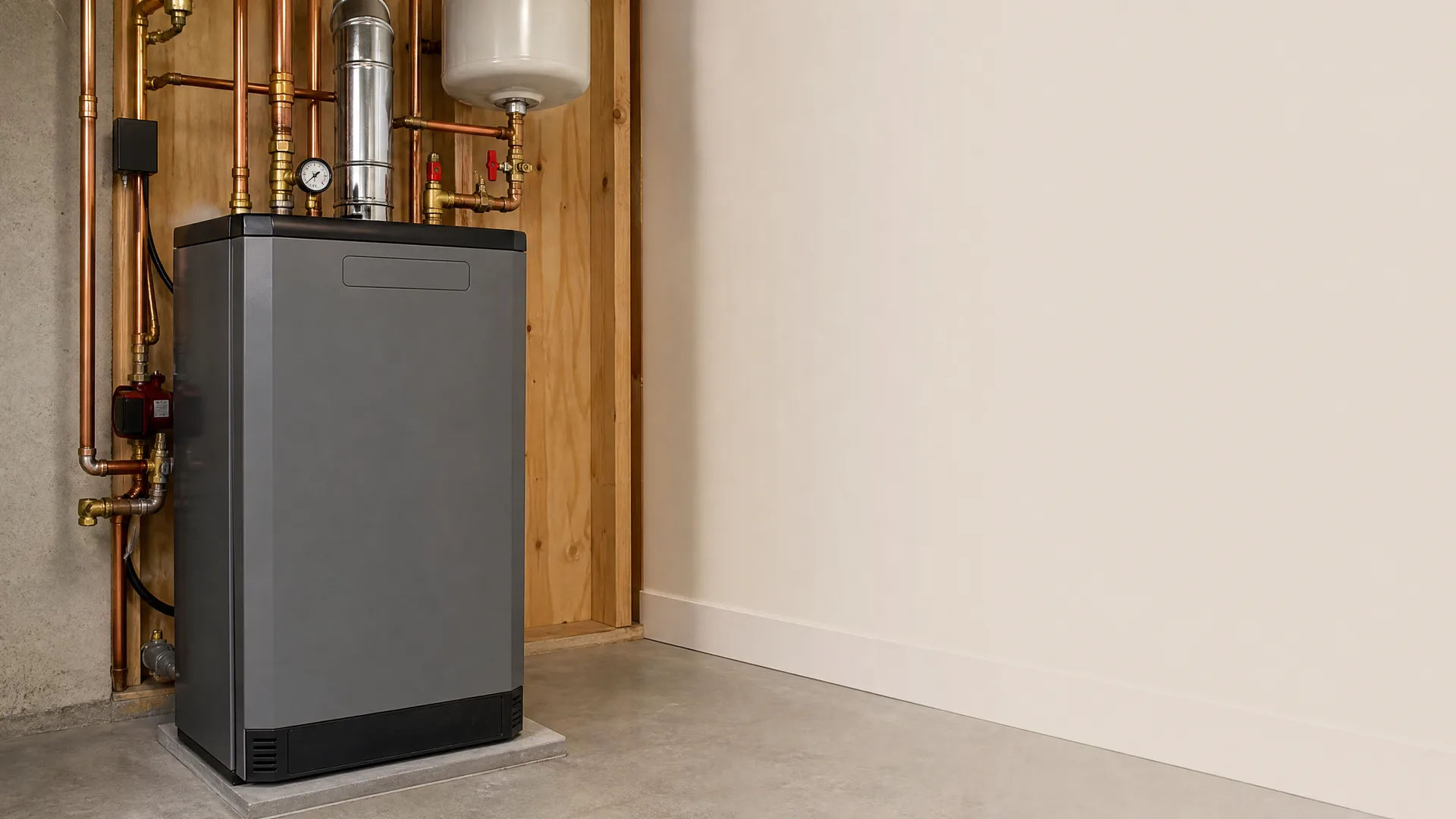
Bleeding it yourself
You can get through most of the house with a radiator key and a rag. It takes an afternoon if nothing's seized. Where it gets hard is the valve that won't turn, or the radiator in the back bedroom you forgot was even on the loop. A stuck valve can snap if you force it, and then you've got a bigger job than the one you started with, right before a cold snap, not after it.
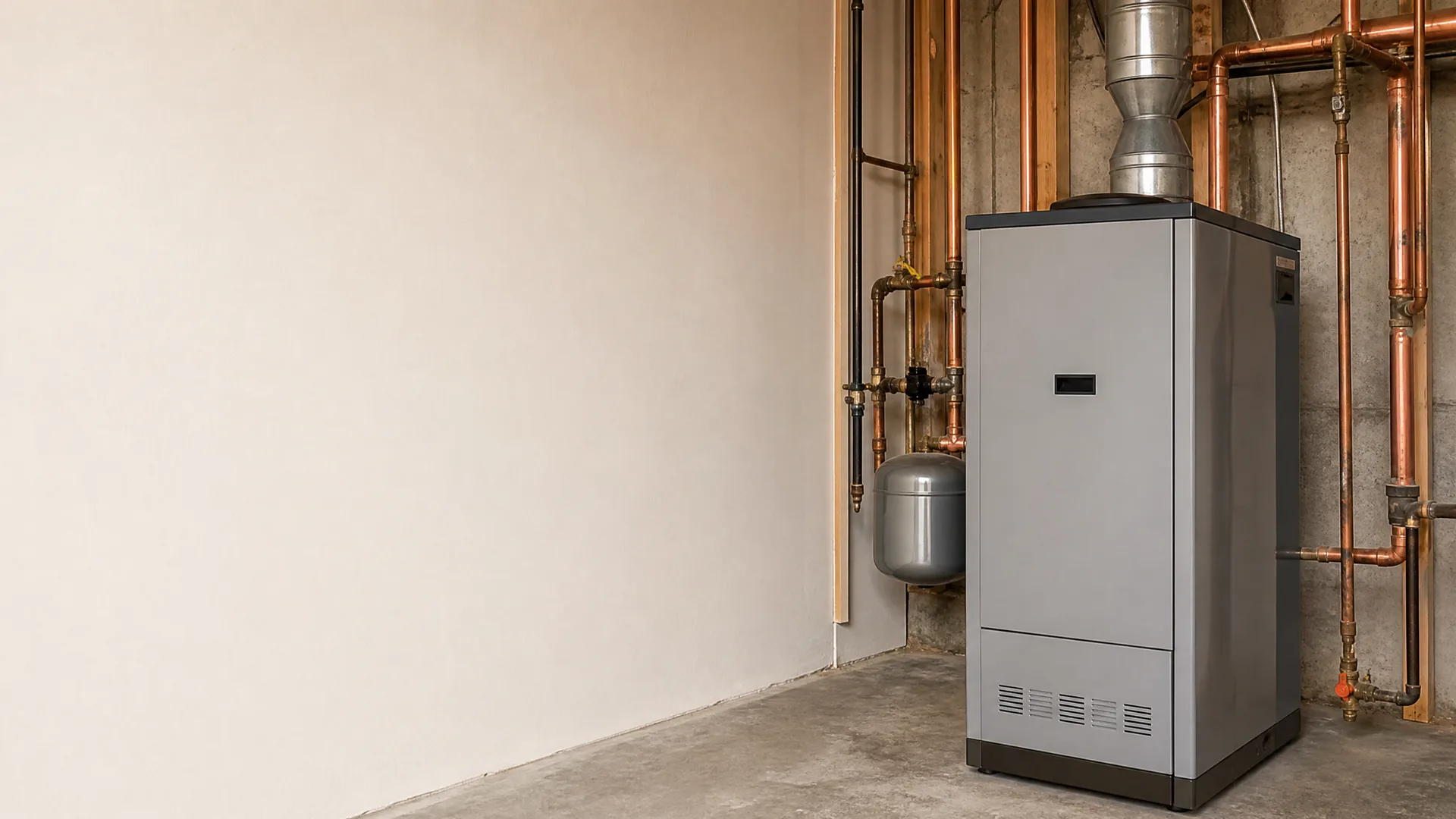
Having it checked instead
A contractor who works on boilers all winter knows which valves in older Montana homes tend to seize and checks the whole loop, not just the radiators that already feel cold. Get matched with one local contractor and they reach out to you directly, so you're dealing with one call, not several. They'll catch a bad valve or a waterlogged bleed screw before it costs you a radiator in January.
Bleed It Yourself or Call a Pro
Bleed it yourself
- A radiator key costs almost nothing and fits the square valve on most cast iron and panel radiators in Montana homes.
- You control the schedule, so you can do it the weekend before the first hard freeze instead of waiting on an appointment.
- A seized valve on an older radiator can round off under a cheap key, and then it needs a contractor anyway.
- You won't know if the boiler's pressure is low until after you've bled every radiator and the gauge still reads wrong.
- Missing one radiator in a back bedroom means finding out it's cold the hard way, on the night it matters.
Have it done with a service call
- A contractor who works on boilers all season knows which valves in older Montana homes tend to seize and brings the right tool for it.
- Bleeding gets checked alongside boiler pressure, so a drop that would leave the system underfilled all winter gets caught at the same time.
- One licensed, local contractor handles the whole house in a visit, rather than you working room to room over an afternoon.
- A contractor can tell a radiator that's cold from trapped air apart from one that's cold because a valve is shut or a loop is blocked.
- You get the match before the cold snap, not a call you're making in the middle of it.
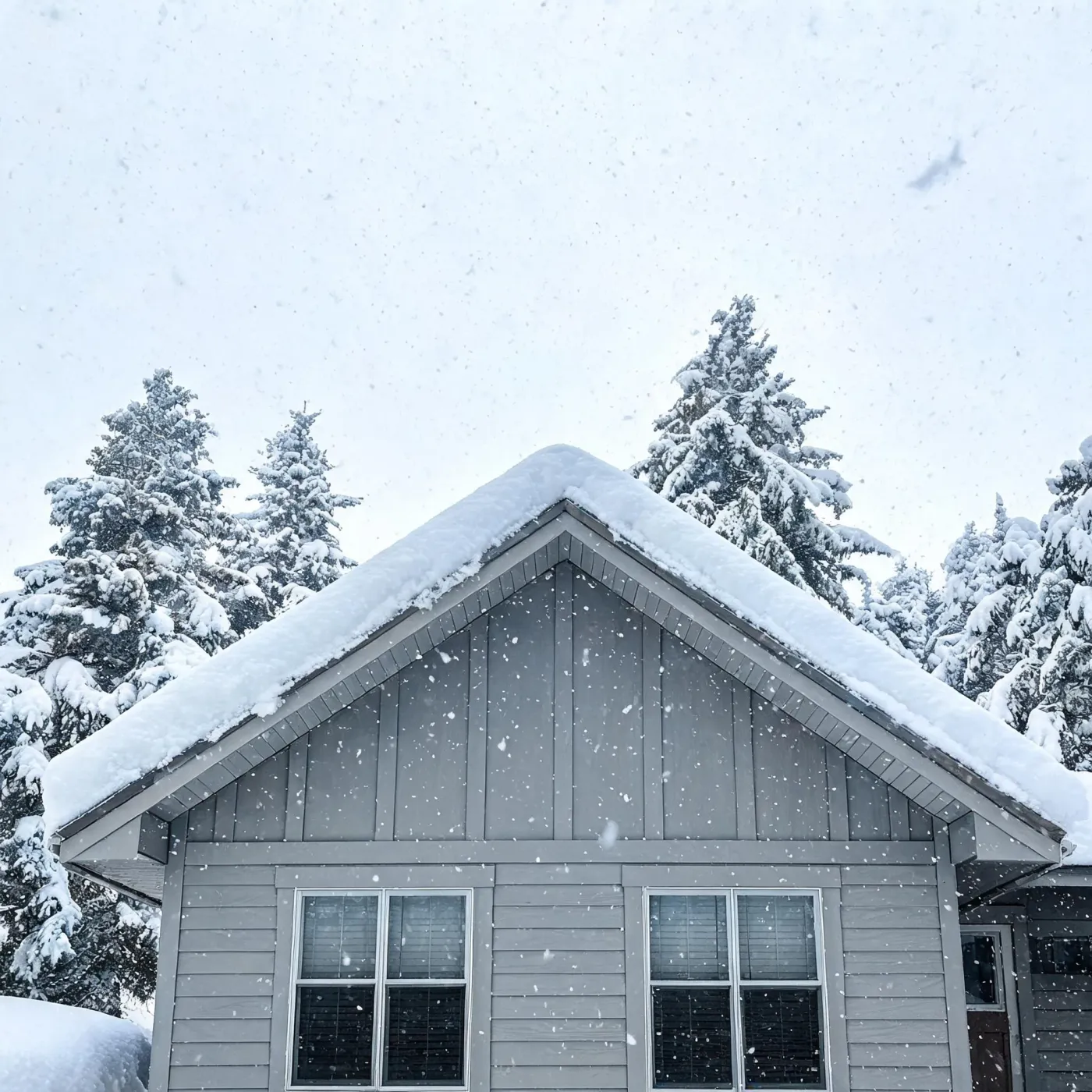
Winter nights average 15°F across Montana, according to NOAA climate data. That kind of cold runs the boiler hard for hours at a stretch, and it's exactly when trapped air in a radiator shows up. The bottom of the radiator gets hot, the top stays cool to the touch, and the room never quite reaches the temperature on the thermostat. You'll feel it most in whichever room you keep the door shut on, or the one furthest from the boiler. Bleeding the radiators before that cold sets in means the boiler isn't working to heat rooms that are already half-bled of the air blocking them.
NOAA nClimDiv 1991-2020 county normals weighted by homes


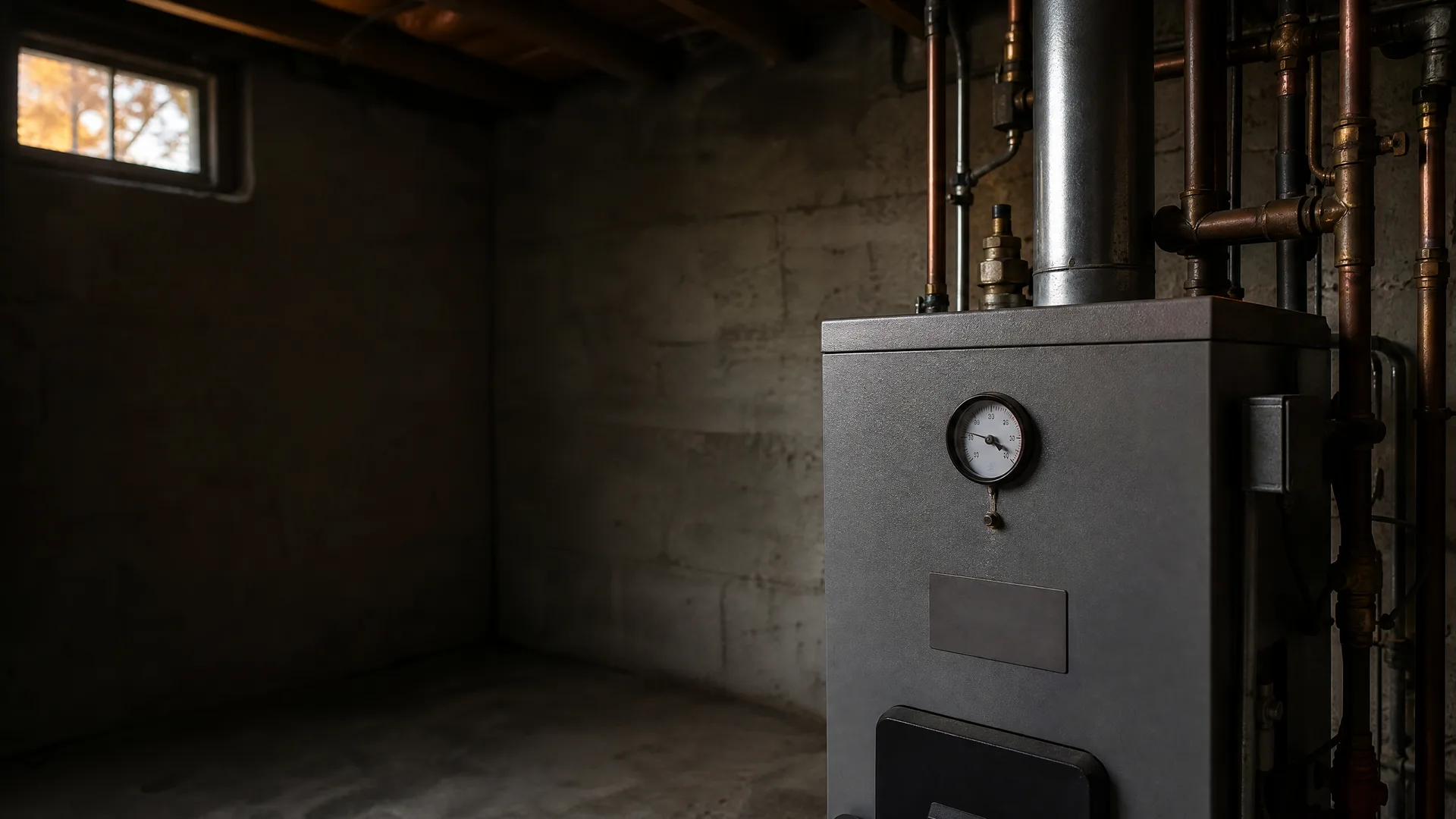
The basement is cool and a little dim, that early-October light coming through the one small window above the washer. You're down there to swap the furnace filter and you notice the boiler's pressure gauge, the needle sitting low in the dial, well under where it sat in the spring. Upstairs the thermostat's been quiet since April. You crouch down and put a hand on the two radiators along the far wall, cold since summer, and you remember you didn't bleed either one last fall. Outside, the sky's doing that flat gray thing that means the dry heat is done and the nights are about to turn. You make a note to grab the key from the kitchen drawer.

Bleed every radiator before that first hard freeze
A radiator key, an afternoon, and a floor by floor pass through the house gets you through winter without a cold room. Open the valve, let the air hiss out, close it the moment water runs steady. Do the lowest floor first and work up. That's the whole job.
Where this gets harder than it sounds is the valve that's seized shut, or the pressure that's dropped low enough that bleeding won't fix the real problem behind it. A boiler technician working in Montana sees that same stuck valve and that same low gauge every fall, in houses with the same cast iron and panel radiators yours has, and knows which one is worth forcing and which one needs a different fix. If you'd rather have someone who already knows your system's quirks take a look before the cold sets in, you can get matched with a local contractor who handles exactly this, and they'll reach out to set it up.

A boiler pro near you
It costs nothing to send, and you don't have to hire anyone.
A boiler that's been checked over knows its own pressure and its own water, so the fall bleed actually holds instead of creeping back to a cold spot by December. A local contractor who services boilers all winter can catch a seized valve before it becomes the radiator that won't heat at 15 below.