Tell us about the job
Takes about a minute. No obligation.
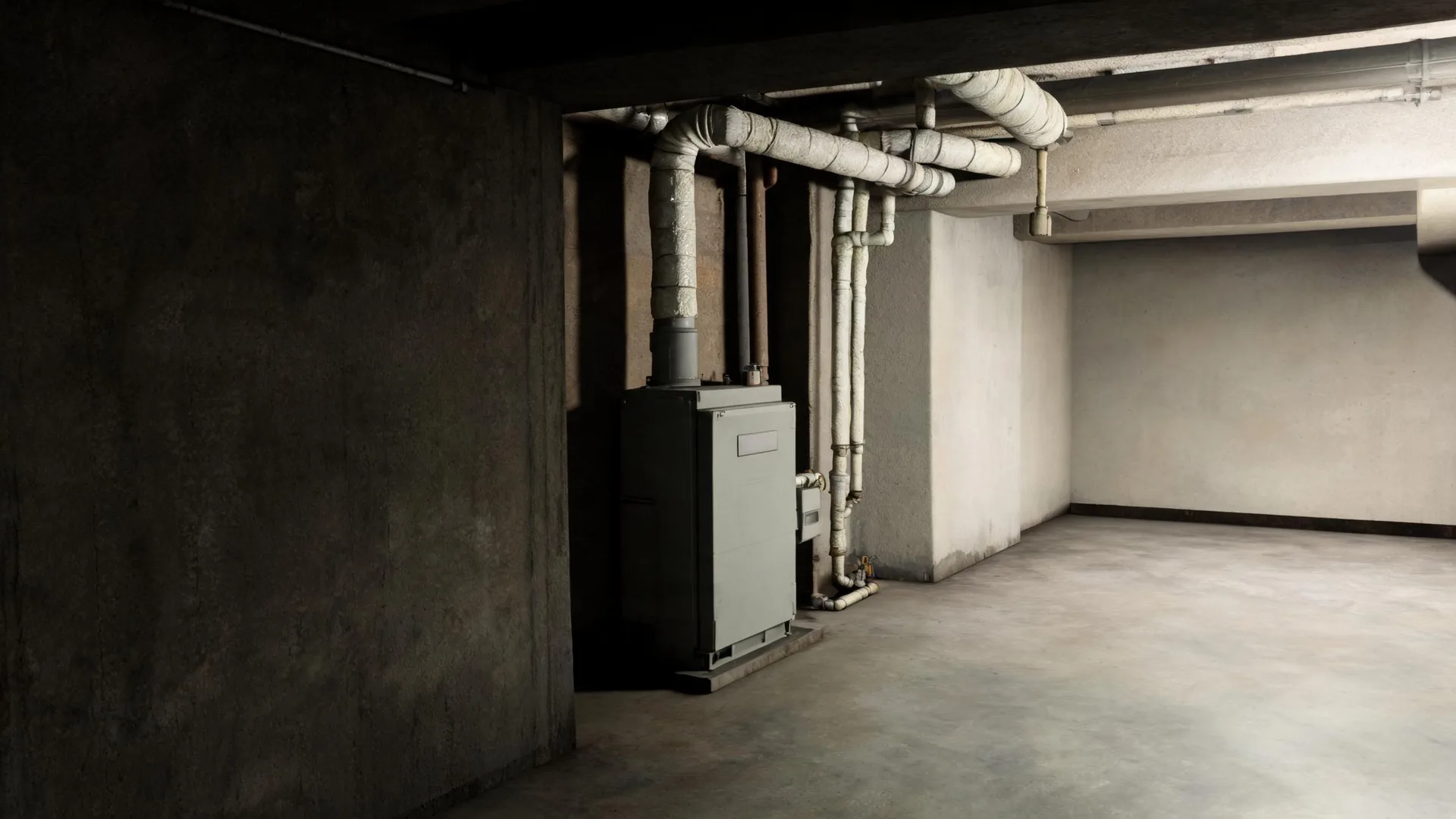
A contractor diagnosing a boiler repair in Prairie County starts at the burner and the ignition system, because those are the parts that take the load every time the boiler fires. Homes in Prairie County, MT run heat about nine months a year, from September through May. After that many cycles through a season, the igniter degrades, the burner ports foul, and heat exchanger stress builds in ways that show up as cracks or leaks rather than slow performance. A contractor who skips straight to controls or the circulator pump before inspecting combustion components is working the wrong end of the job.
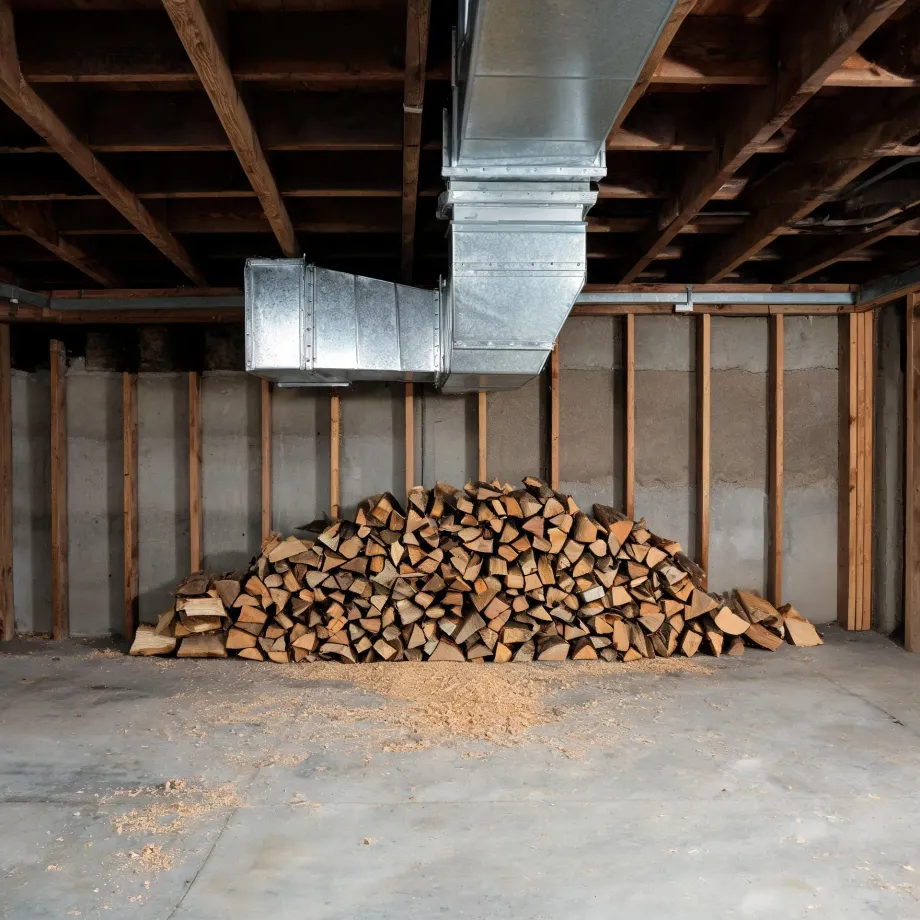
Half the homes in Prairie County, Montana were built in 1957 or earlier (2020-2024 ACS 5-year). A boiler that has been running in a house of that vintage was not necessarily installed when the house was built, but it is old enough that the parts it takes may not be in regular production. When a contractor opens the unit, what they find determines whether the repair is a afternoon's work or a sourcing problem. Cast iron sections, older burner assemblies, and proprietary heat exchangers from discontinued lines all show up in stock this age, and availability drives the repair timeline as much as the diagnosis does.
The Parts of a Boiler a Contractor Checks First
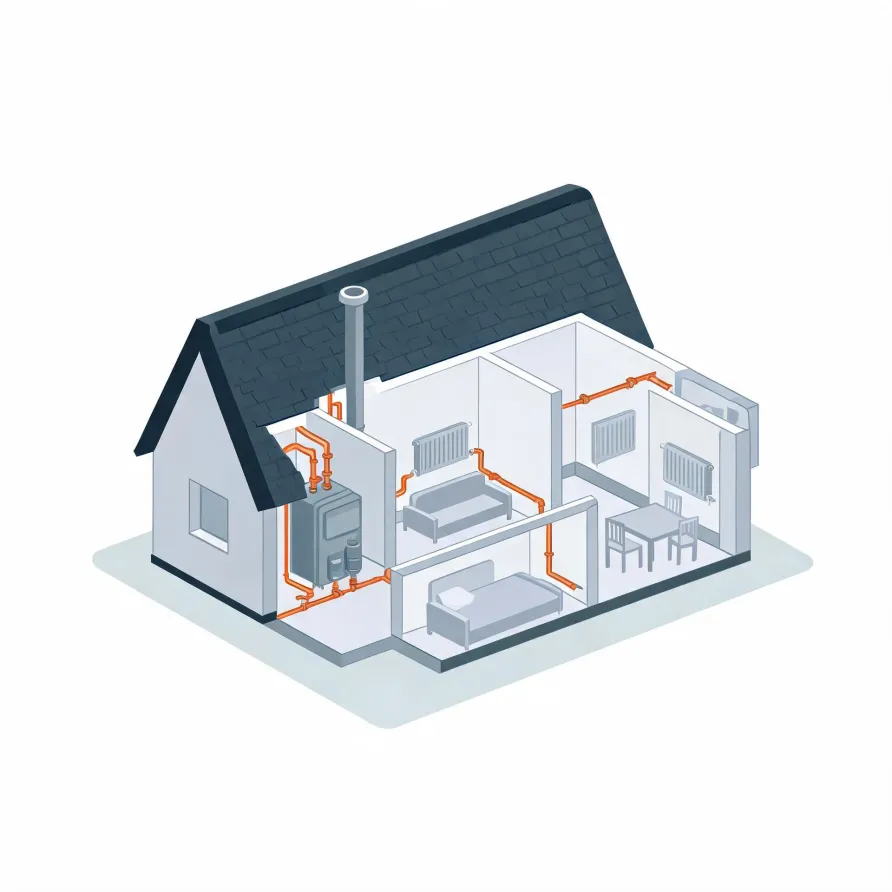
The boiler itself sits in the basement or mechanical room and is the piece a contractor looks at hardest. It heats water and pushes it through the system. When a boiler is the problem, the signs range from no heat at all to uneven heat across the house, and the contractor will check the burner, the heat exchanger, and the controls.
Radiators or baseboard units sit in the living spaces and release heat into each room. The circulator pump moves water between the boiler and those units, and the expansion tank and pressure relief valve sit close to the boiler itself. Any of these can be the source of a problem, and a contractor will trace the symptom back to the piece responsible.
The drawing shows a typical boiler layout, and a licensed contractor will determine which components apply to your specific setup.
Find a contractor in Prairie CountyPrairie County, Montana, by the numbers
89 severe weather events were recorded in Prairie County, Montana between 2015 and 2024.
NOAA National Centers for Environmental Information, Storm Events Database, bulk CSV export, events 2015-01-01 through 2024-12-31.Half the homes in Prairie County, Montana were built in 1957 or earlier (2020-2024 ACS 5-year).
U.S. Census Bureau, 2020-2024 American Community Survey 5-Year EstimatesPrairie County, Montana holds 687 housing units (2020-2024 ACS 5-year).
U.S. Census Bureau, 2020-2024 American Community Survey 5-Year EstimatesOwners occupy 83.9% of the occupied homes in Prairie County, Montana (2020-2024 ACS 5-year).
U.S. Census Bureau, 2020-2024 American Community Survey 5-Year EstimatesCodes & Standards Governing Boiler and HVAC Repair in Prairie County, Montana2 sourced rules and standards
Licensing and Legal Requirements in Prairie County, Montana
Montana’s contractor licence does not reach a casual, minor or inconsequential job whose total price for labour, materials and everything else is less than $2,500 — and the exemption is lost if the work is only part of a larger operation, or if a job is divided up to get under the figure.
Montana requires a current construction contractor licence from the Department of Labor and Industry: an individual or business may not engage in business as a construction contractor without one.
Severe Weather Events in Prairie County
Weather in Prairie County puts real stress on boiler systems, and that stress accumulates over time into the kind of wear that shows up as a repair call. A local contractor understands what the equipment here is working against.
89 severe weather events, 2015–2024. Source: NOAA National Centers for Environmental Information, Storm Events Database.