Tell us about the job
Takes about a minute. No obligation.
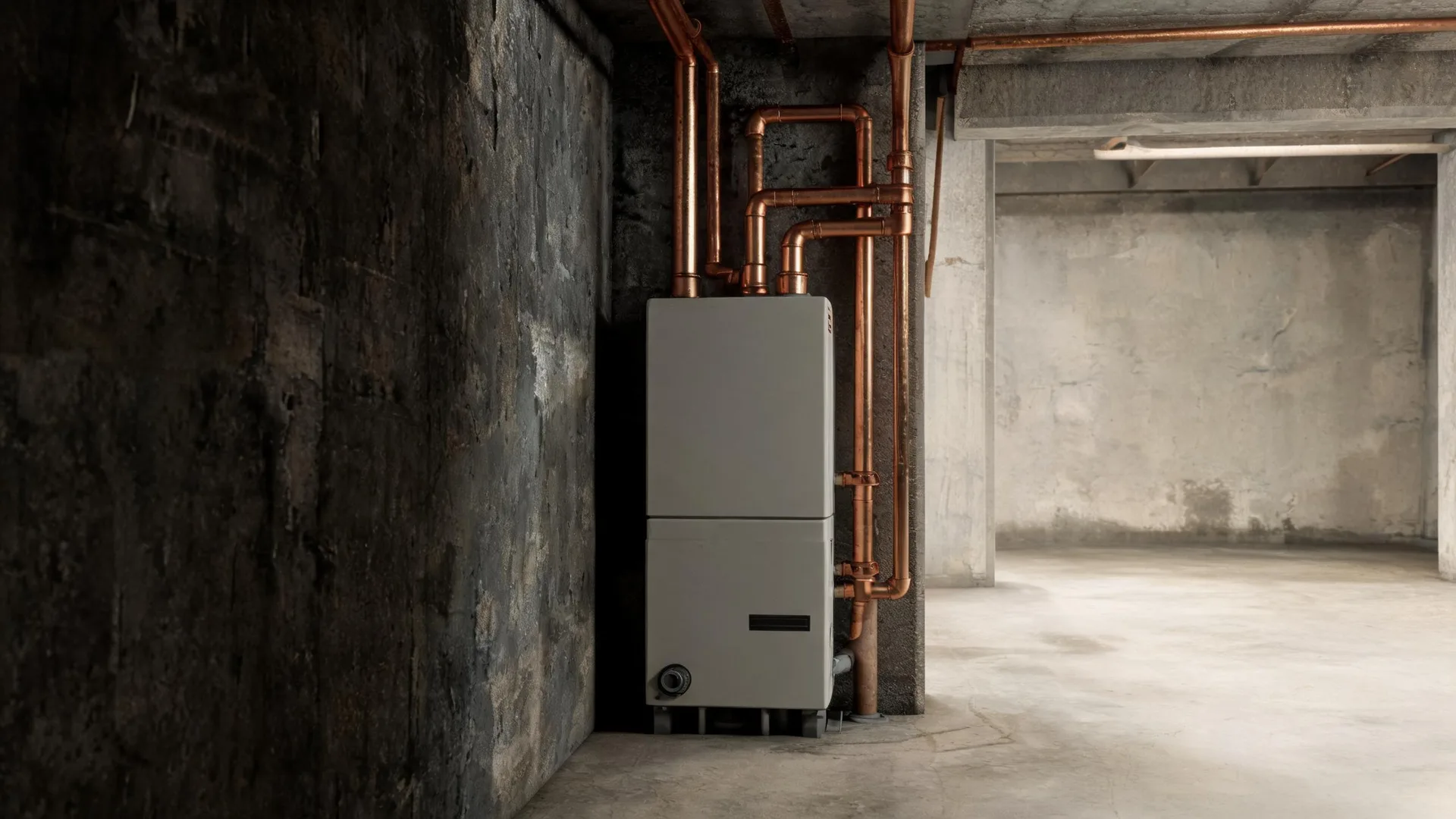
A boiler repair call in Big Horn County starts with the burner assembly and ignition system, because those are the parts that absorb the wear of repeated cycling across a long heating season. Homes in Big Horn County, MT run heat about ten months a year, from September through June. Burners foul, igniters weaken, and heat exchangers develop stress from that volume of on-and-off cycling. A contractor working a repair here checks ignition function and burner condition first, because those failures account for most of what brings a boiler down mid-season.
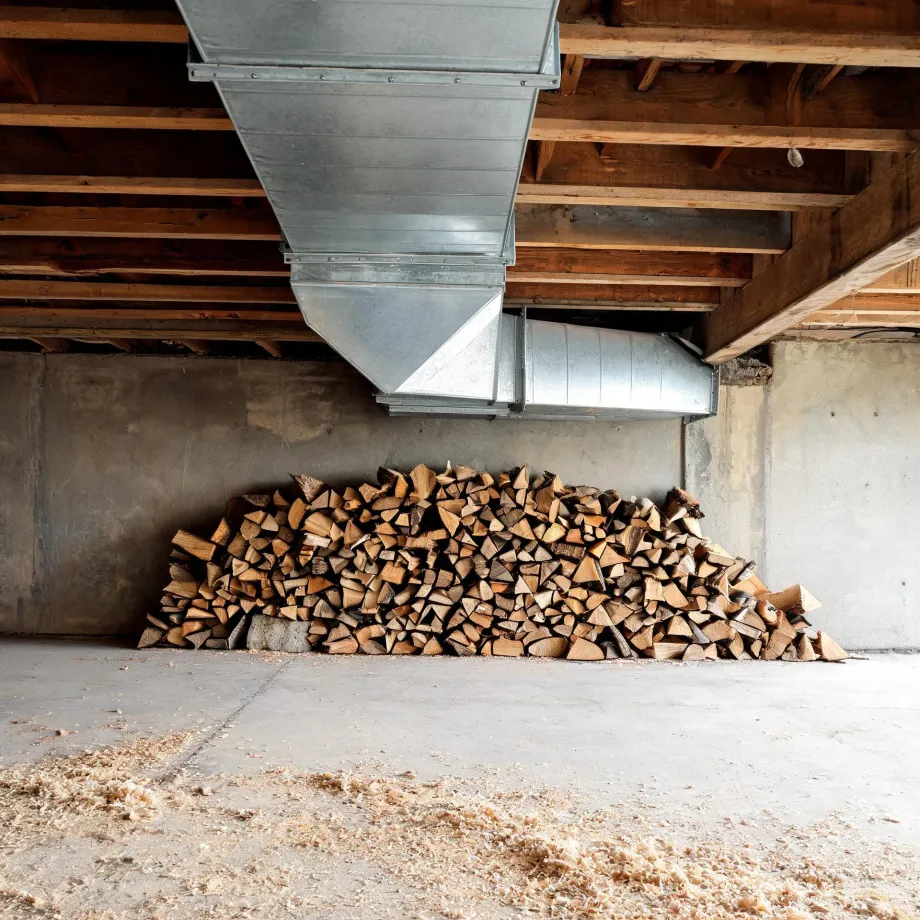
Half the homes in Big Horn County, Montana were built in 1976 or earlier (2020-2024 ACS 5-year). A boiler in a house that old has almost certainly fed the same radiators or baseboard runs through multiple owners, and what a contractor finds once the unit is open depends heavily on what happened to that distribution system in the years between. Corroded fittings, mismatched zone valves, or expansion tanks that have never been checked are common enough in stock this age that the boiler itself is only part of what drives the repair scope. The distribution side sets the bill as often as the unit does.
The Parts of a Boiler a Contractor Checks First
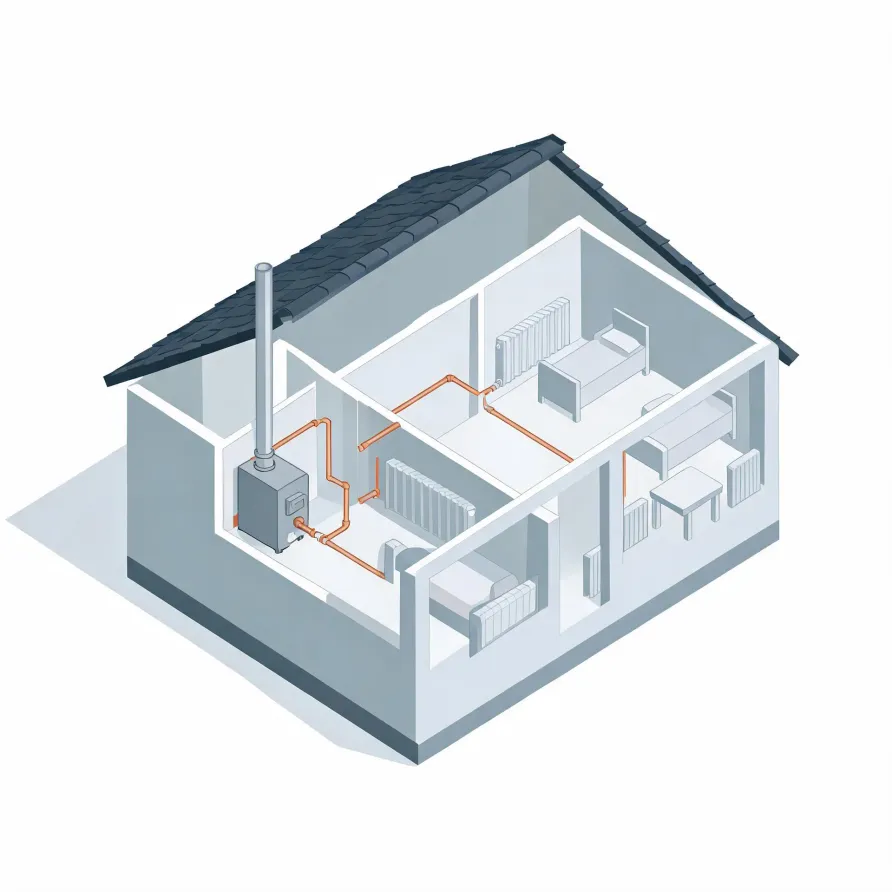
The boiler itself sits in the basement or mechanical room and is the first place a contractor looks when the system stops heating. Inside it, the heat exchanger and burner assembly work together to produce heat; cracks, scale buildup, or a failed burner are common sources of trouble. The circulator pump, mounted directly on the boiler, moves hot water through the system and is a frequent repair point when heat distribution becomes uneven.
From the boiler, supply and return pipes run through the house to radiators or baseboard units in each room, and any of those connections, valves, or fittings can develop leaks or blockages that a contractor traces back to their source. The expansion tank, usually hanging near the boiler, absorbs pressure changes in the system; a waterlogged or failed tank often causes pressure swings that show up at the pressure gauge mounted on the boiler itself.
The drawing shows a typical boiler layout, and a licensed contractor determines which components and connections apply to your specific system.
Find a contractor in Big Horn CountyBig Horn County, Montana, by the numbers
231 severe weather events were recorded in Big Horn County, Montana between 2015 and 2024.
NOAA National Centers for Environmental Information, Storm Events Database, bulk CSV export, events 2015-01-01 through 2024-12-31.Half the homes in Big Horn County, Montana were built in 1976 or earlier (2020-2024 ACS 5-year).
U.S. Census Bureau, 2020-2024 American Community Survey 5-Year EstimatesBig Horn County, Montana holds 4,527 housing units (2020-2024 ACS 5-year).
U.S. Census Bureau, 2020-2024 American Community Survey 5-Year EstimatesOwners occupy 66.7% of the occupied homes in Big Horn County, Montana (2020-2024 ACS 5-year).
U.S. Census Bureau, 2020-2024 American Community Survey 5-Year EstimatesBoiler Repair Rules & Standards on Record for Big Horn County, Montana2 sourced rules and standards
Licensing and Legal Requirements in Big Horn County, Montana
Montana’s contractor licence does not reach a casual, minor or inconsequential job whose total price for labour, materials and everything else is less than $2,500 — and the exemption is lost if the work is only part of a larger operation, or if a job is divided up to get under the figure.
Montana requires a current construction contractor licence from the Department of Labor and Industry: an individual or business may not engage in business as a construction contractor without one.
Severe Weather Events in Big Horn County
Extreme weather puts real hours on boilers. Every hard freeze, power surge, or pressure swing a storm forces through a system is a reason a repair call gets made, and that pattern is local.
231 severe weather events, 2015–2024. Source: NOAA National Centers for Environmental Information, Storm Events Database.