
Best boiler temperature for a Montana winter

A local pro who services boilers gets in touch about the tune-up.

Match me with a pro

Set your boiler's water temperature to around 160 to 180 degrees once outdoor temperatures drop into the teens and below, which happens through a Montana winter. Most boilers let you adjust this at the aquastat, and some newer ones adjust it on their own as outdoor temperature changes, a setup called outdoor reset. The water doesn't need to run that hot all season. On milder days, 120 to 140 degrees will still heat the house and puts less strain on the boiler. The point is matching the water temperature to how cold it actually is outside rather than leaving it at one setting from October through the deep cold. A boiler running too hot all the time wears down faster. One running too cool on the coldest nights won't keep the house warm and will cycle more trying to catch up.

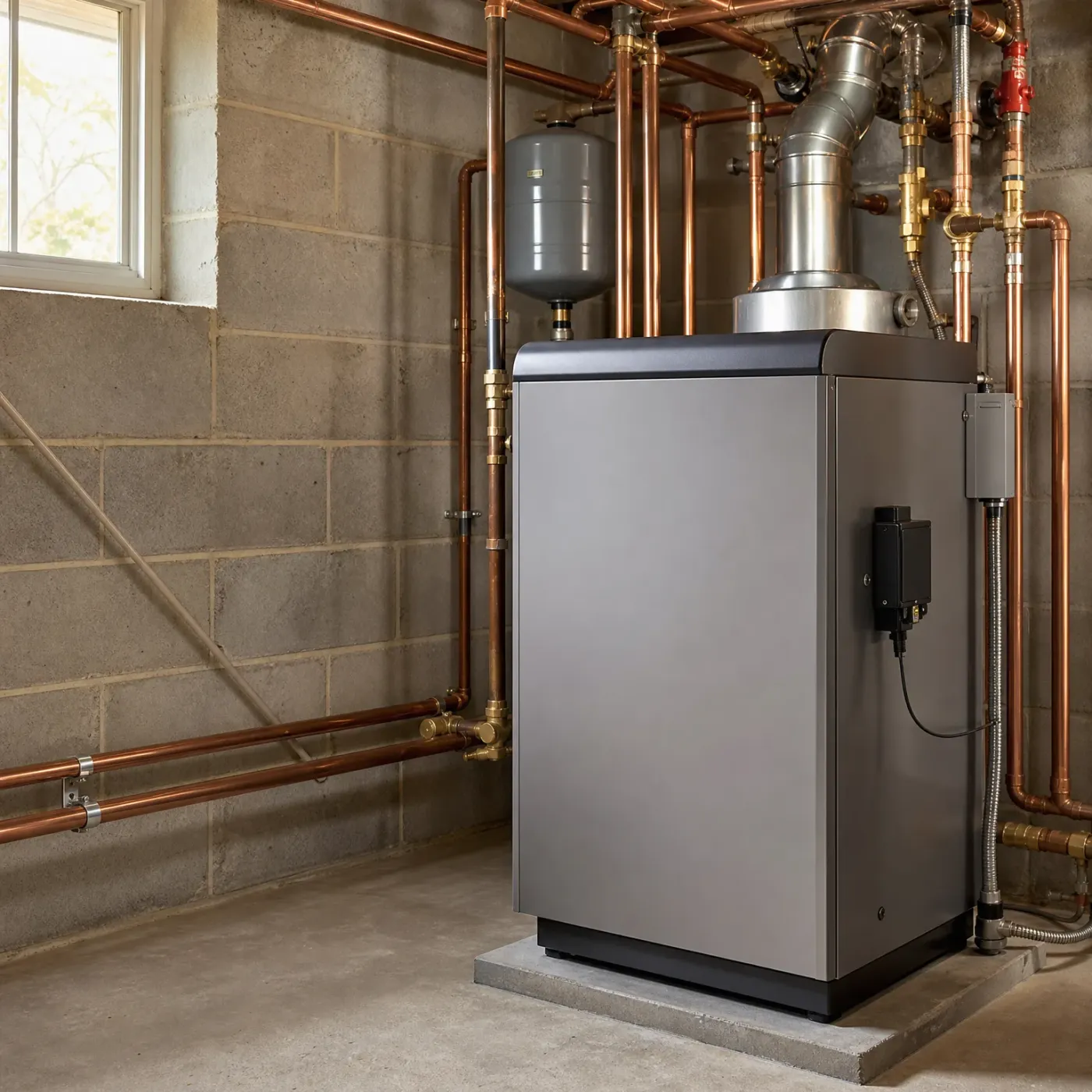
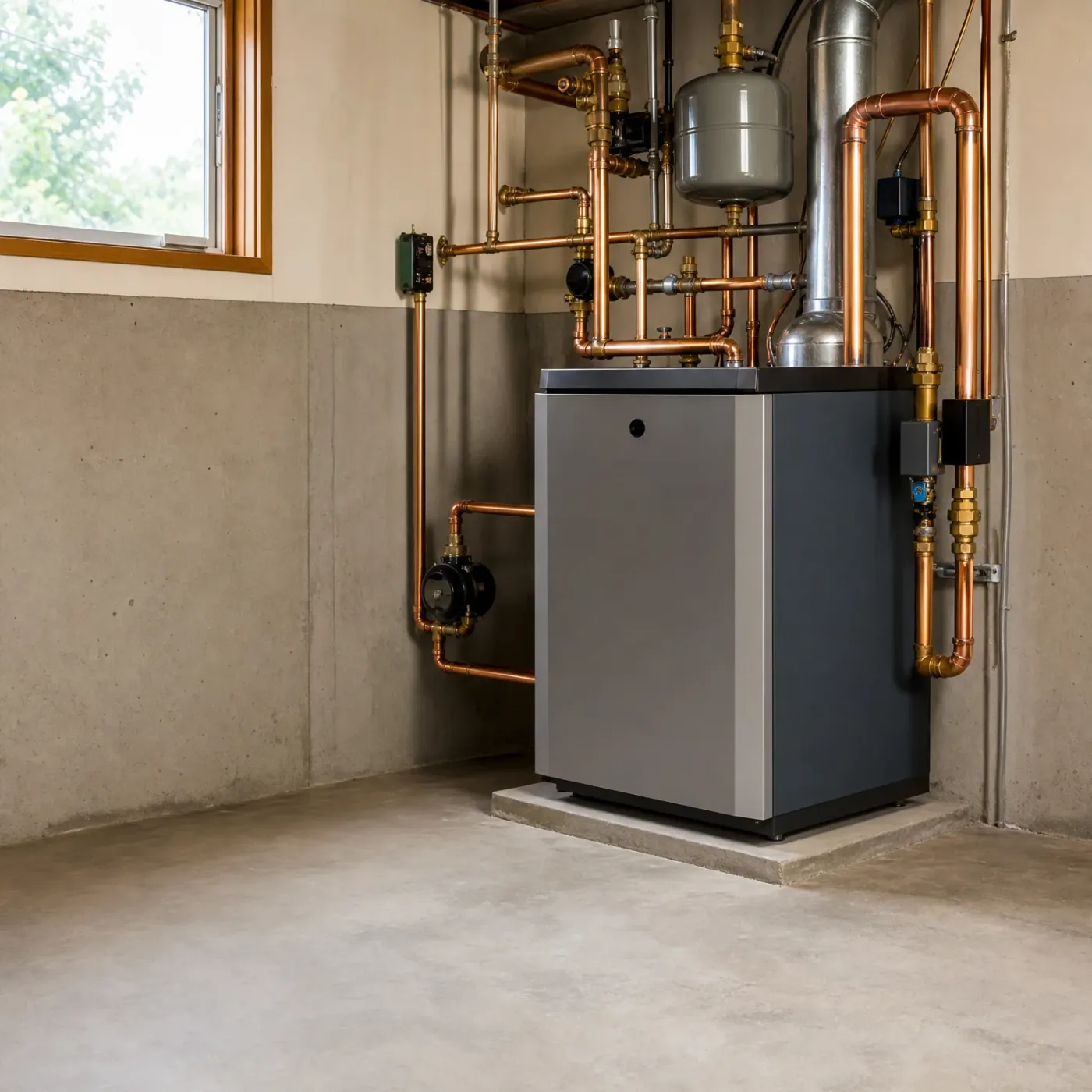
A gray floor-standing boiler on a concrete pad in a basement corner, connected to copper piping, brass valves, a circulator pump, an expansion tank, and a metal flue, with a window at upper left.

Running at the right setpoint

At 160 to 180 degrees, the water moving through the copper lines and into the radiators or baseboards stays hot enough to hold a Montana house above zero outside. The circulator pump and expansion tank work as they should, and the boiler cycles on and off instead of running flat out.
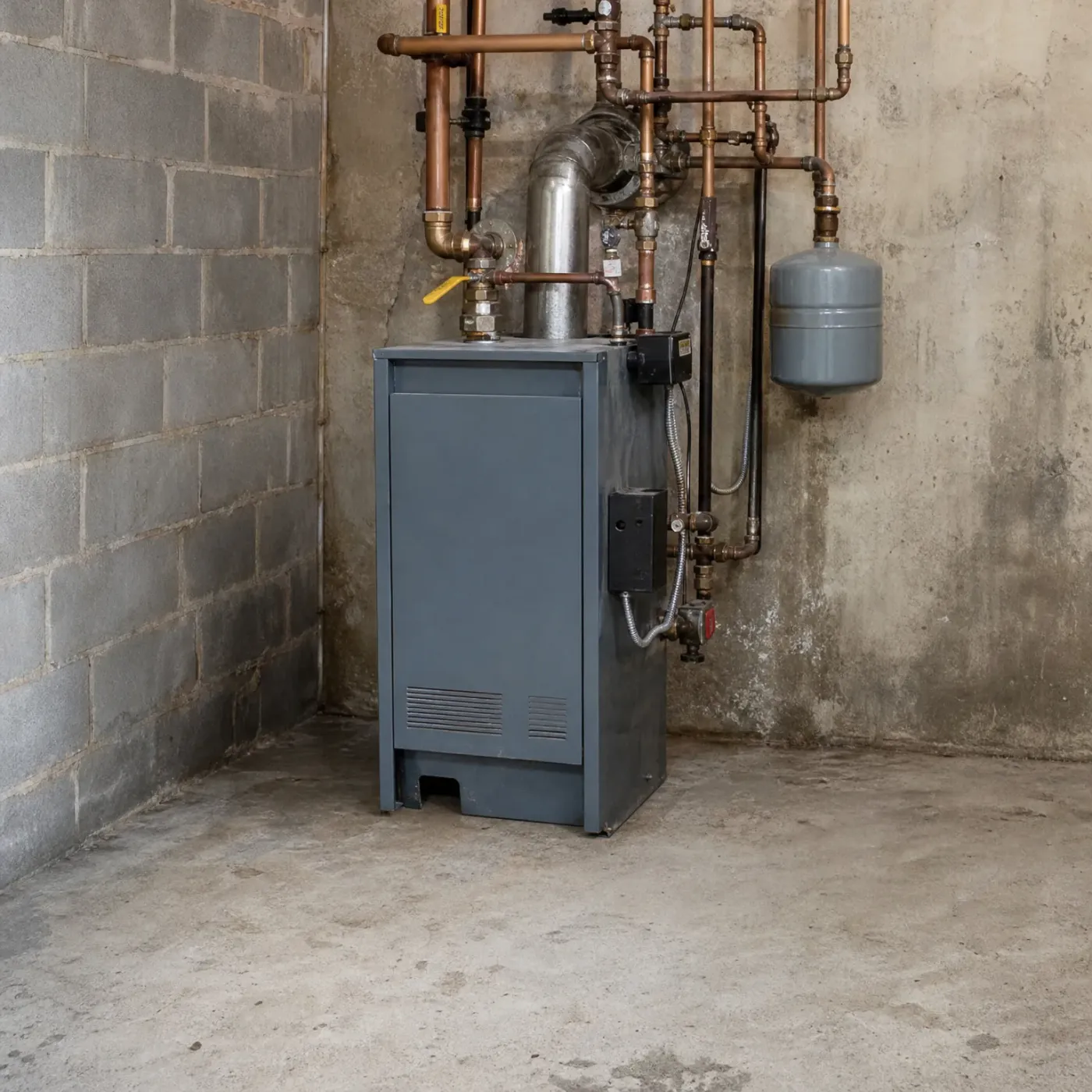

A gray floor-standing boiler in a basement corner with copper and black piping above it, a flue vent, and a gray expansion tank mounted on the concrete wall beside a concrete block wall.

Running too low

Set below what a hard freeze calls for, the boiler has to run longer and more often trying to catch up, and some rooms stay cold no matter how long it runs. Left that way through a winter, the extra cycling wears on the pump and the burner before the heat even catches up.

A gray-haired bearded man in a dark coat and scarf dusted with snow stands smiling in a dimly lit entryway with a white front door, a side table with a lit lamp, an oval mirror, and a patterned rug.
An older bearded man in a dark snow-dusted coat and gray scarf stands just inside a dimly lit home entry, with a framed picture, lit table lamp, and an adjoining room with a fireplace behind him, and snow visible through the open door.
A gray-haired, bearded man in a dark snow-dusted coat stands smiling in a dimly lit entry hall with a staircase, a lit table lamp, a framed picture, and a living room visible through a doorway.
An older man with gray hair and a beard, wearing a dark jacket dusted with snow, stands smiling in a dimly lit hallway with lamps and a living room visible behind him.

160 to 180 degrees

That's the water temperature range a boiler needs to hold a Montana house warm once outdoor temperatures drop into the teens and below for the winter.

Find my pro

One missed check can cost you the whole system

A maintenance visit catches a failing aquastat or a weak circulator pump before either one leaves you without heat on a cold night.

Find my pro

Winter nights average 15°F statewide

At 15°F, your boiler isn't easing into winter, it's working near the bottom of its range most nights from December through February. That's exactly where the 160 to 180 setpoint earns its keep, and where a skipped tune-up shows up fastest.

NOAA nClimDiv 1991-2020 county normals weighted by homes

How the heat actually gets there

  • The aquastat is the dial or digital control on the boiler itself that sets how hot the water gets before the burner shuts off.
  • Water leaves the boiler, runs through the circulator pump, and travels out to the radiators or baseboards before coming back to be reheated.
  • A boiler with outdoor reset wiring reads the temperature outside and raises or lowers the water temperature on its own through the day.
  • Water that never gets hot enough can leave rooms short of heat, but water pushed too hot cycles the burner on and off more than it needs to.
  • The expansion tank holds the extra pressure that builds as water heats up, and it only works right if it's charged to the correct level.
  • Mineral buildup inside the heat exchanger makes the boiler work harder to reach the same setpoint, which a technician checks for during a tune-up.

The aquastat is what you're really setting when you pick 160 to 180 degrees. It's the control that tells the burner when to stop firing, and it sits right on the boiler, either a dial or a digital panel depending on the age of the unit. Once the burner heats the water to that number, the circulator pump pushes it out through the pipes to the radiators or baseboards, and by the time it comes back it's given up its heat to the room and is ready to be reheated. If your boiler has outdoor reset wiring, it skips some of the guesswork. It reads the temperature outside and adjusts the water temperature through the day, so it isn't running full 180 degree water during a mild afternoon in October the same way it does at 10 below in January. Setting the number right matters in both directions. Water that never reaches a high enough temperature leaves rooms that never quite feel warm. Water pushed hotter than it needs to be makes the burner cycle on and off more than it should, which wears on the parts that start and stop it. The expansion tank is part of this too. As water heats, it expands, and the tank absorbs that extra pressure, but only if it's charged correctly. Over time, mineral deposits can build up inside the heat exchanger, forcing the boiler to work harder to hit the same setpoint, which is one of the things a technician checks during a tune-up.

A woman wrapped in a thick beige fleece blanket sits on a sofa with an open book on her lap, beside a lit table lamp, with a frost-covered window behind her.
An older woman with gray hair in a bun and glasses, wearing a beige knit sweater, smiles while looking to the side in a warmly lit kitchen, with a loaf of bread on the counter in the foreground and a snowy scene outside the window.
A gray floor-standing boiler on a concrete pad in a basement with concrete block walls, connected to copper piping, a flue vent, and an expansion tank.

Get your boiler to the right pro

Explain the job once and skip repeating it on every call.

Say what's going on with your boiler, and a pro who works on them reaches out.

Get a boiler pro

No fee to send it, and nothing to sign.

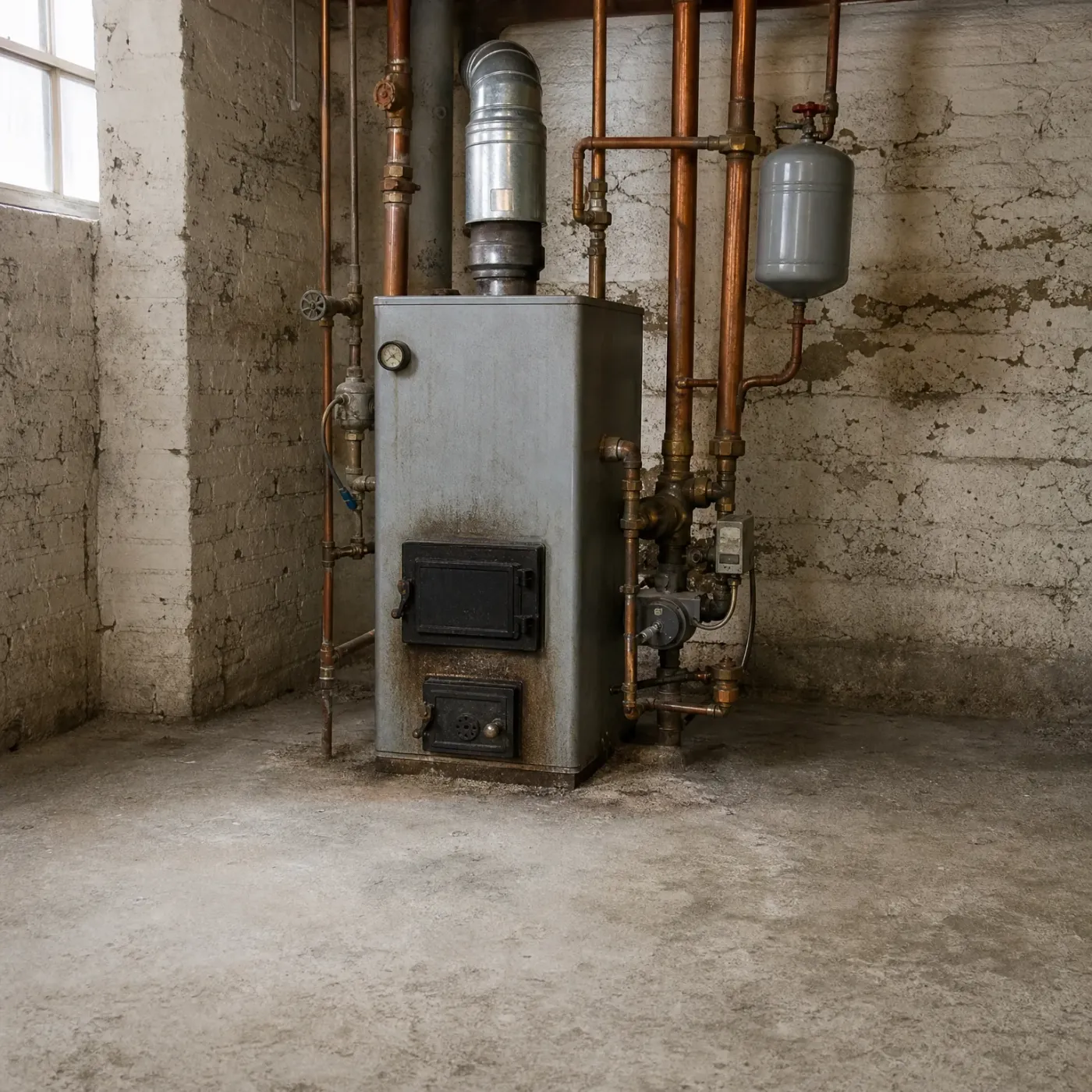
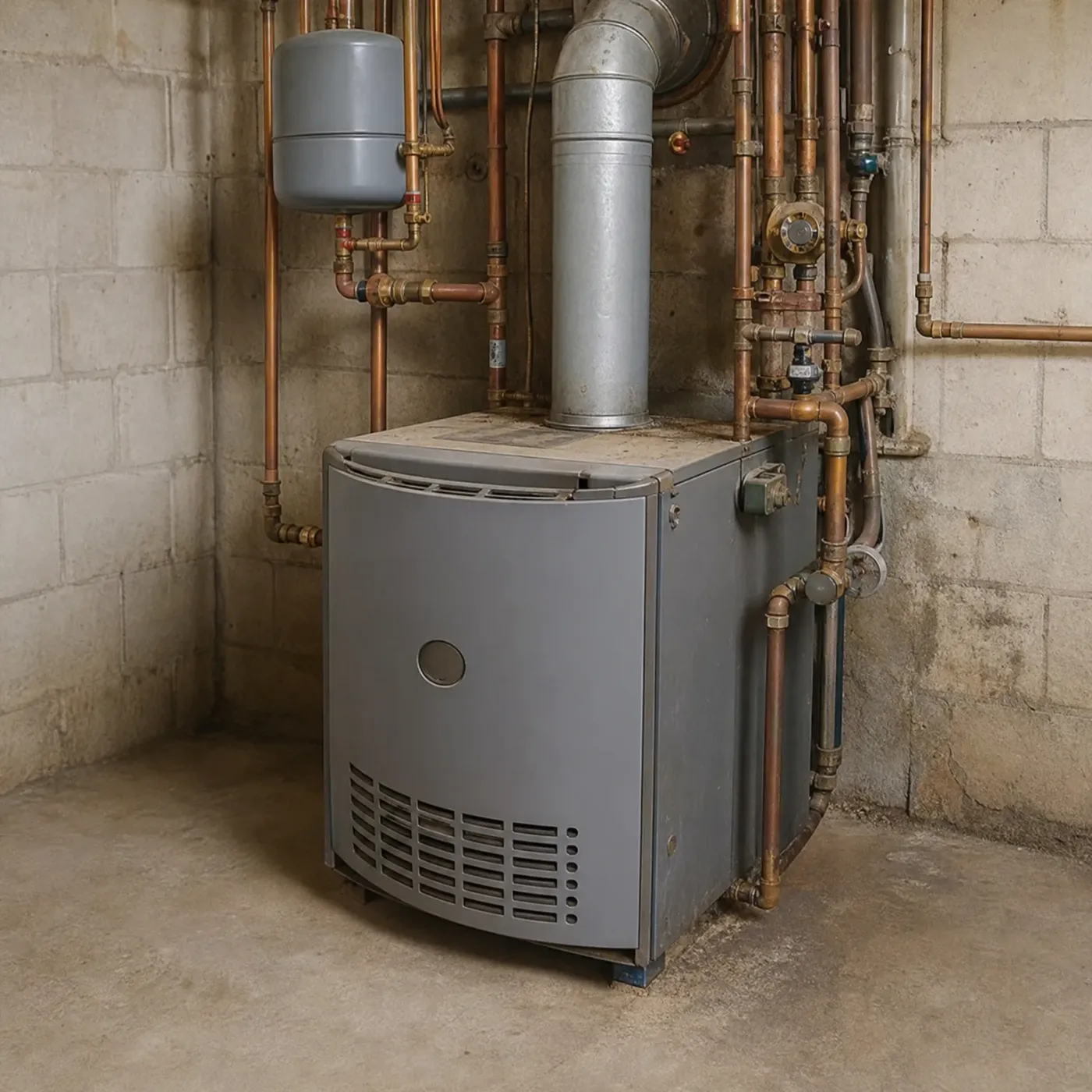
An old gray boiler with copper piping, a flue duct, pressure gauge and an expansion tank stands in the corner of a basement with painted masonry walls and a bare concrete floor.
Before you get your boiler maintenance
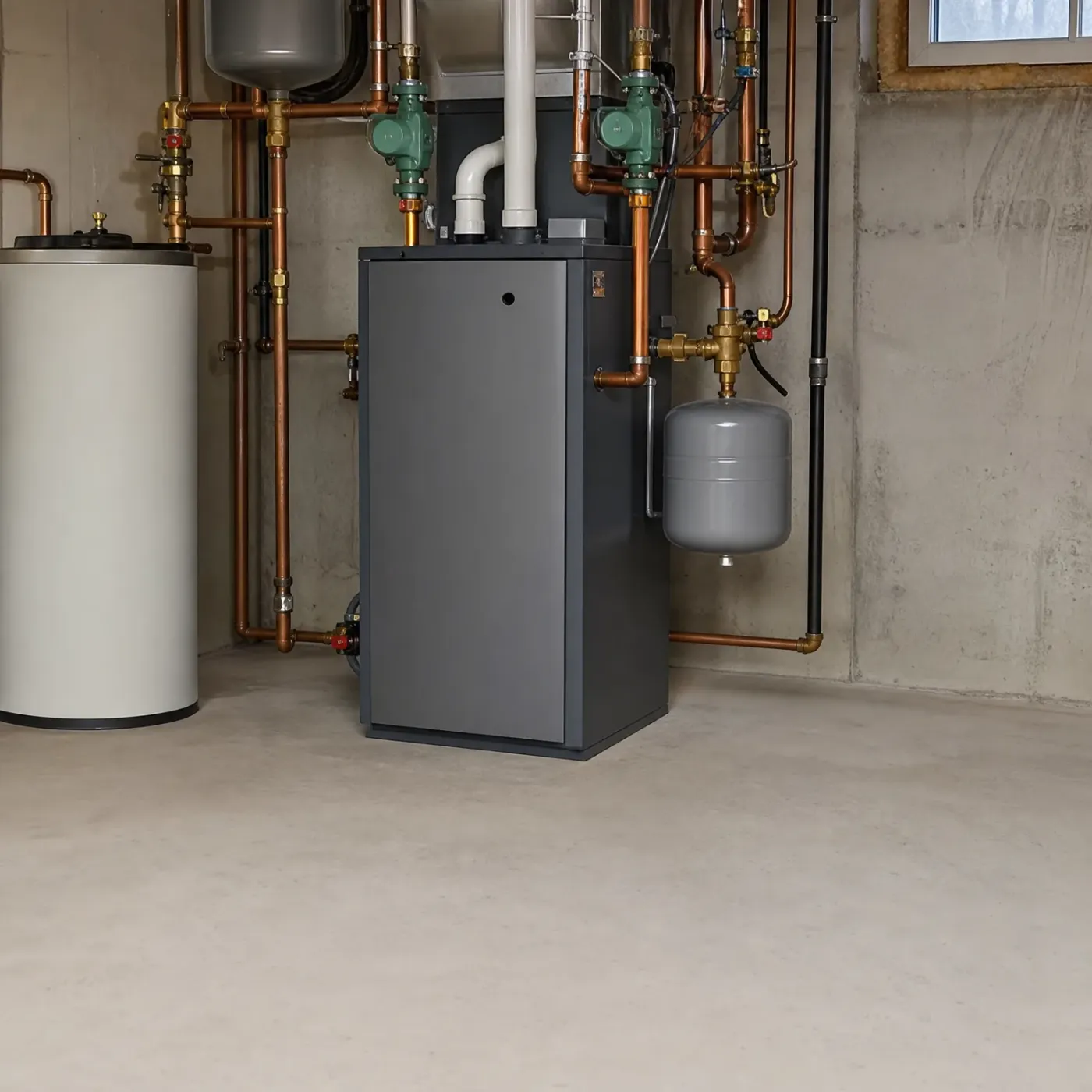
A gray boiler on a concrete pad in a basement, connected to copper piping, valves, circulator pumps, a metal flue, and a wall-mounted expansion tank.
After you get your boiler maintenance

You notice it room by room before you notice it on a bill. One side of the house stays warm and the other doesn't, or the whole place runs a few degrees short of comfortable no matter where you set the thermostat. That's usually not the thermostat's fault. It's the water moving through the system falling short of the 160 to 180 degrees it needs to hold a Montana winter, whether from a drifting aquastat, a pump losing strength, or sediment that's built up where you can't see it. None of these announce themselves. They show up as a cold radiator in the back bedroom, a burner that runs longer than it used to, or a gas bill that climbs without a clear reason. By the time any of that is obvious, the boiler has usually been working harder than it should for weeks. A maintenance visit catches the aquastat setting, the pump, and the sediment before a cold night in January turns one of them into a repair.

What a strained boiler looks like at home

  • A boiler running cold water through the radiators all winter leaves rooms that never quite feel warm, even with the thermostat turned up.
  • If the aquastat drifts low or fails, you may not notice until a January morning when the house won't climb past 60.
  • A circulator pump that's starting to fail often shows up first as one cold radiator while the rest of the house heats fine.
  • Sediment building up in the boiler or lines makes it work harder to hit 160 to 180 degrees, and that shows up on your gas bill.
  • A pressure or expansion tank problem can go unnoticed for weeks until it causes a leak or a shutdown on the coldest night of the year.
  • Skipping a season of maintenance means small issues like a sticking valve or a weak pump get found only after they've already cost you heat.
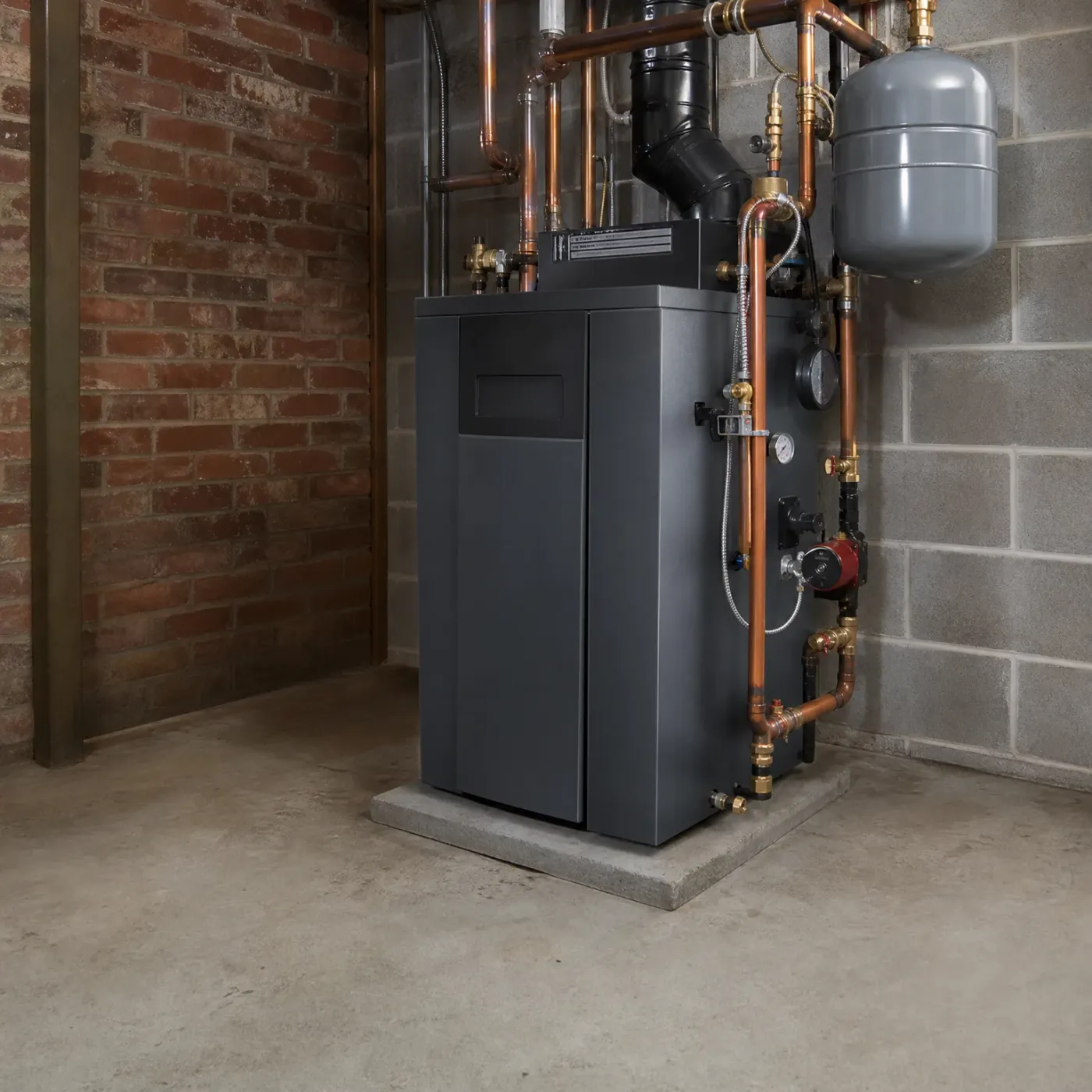
A dark gray floor-standing boiler on a concrete pad in a basement, connected to copper piping, valves, a circulator pump, a gauge, a black flue pipe, and a gray expansion tank, with a brick wall on the left and concrete block wall behind.
At the right setpoint, the boiler sends water out near 160 to 180 degrees, and every radiator in the house gets its full share of heat.
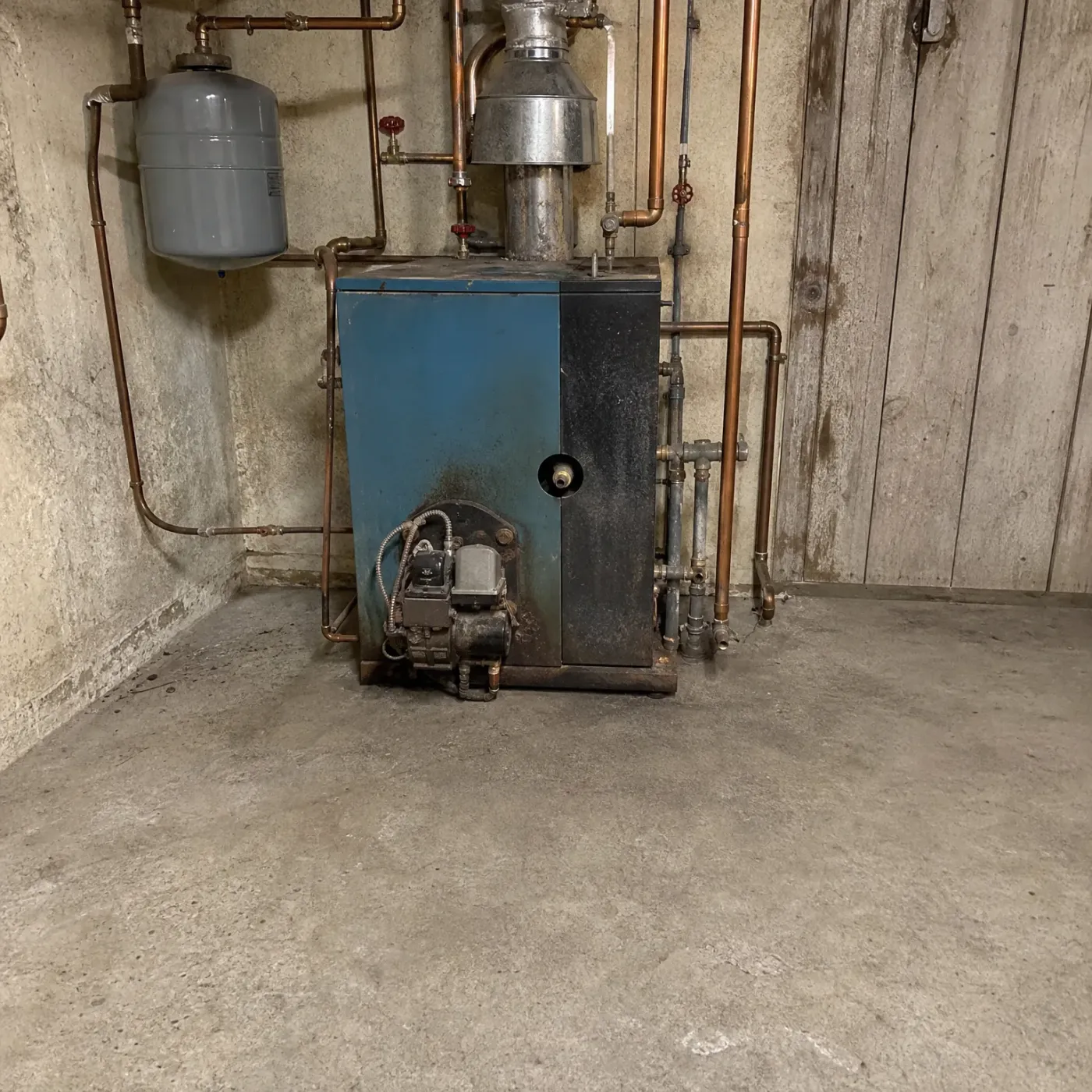
A blue and black boiler with a burner unit, flue, expansion tank and copper and steel piping stands on a concrete basement floor against a concrete wall and wooden plank partition.
Let the aquastat drift low or fail unnoticed, and that same loop pushes out lukewarm water while rooms upstairs stay stuck in the 60s.

Why does one room never get warm enough?

You turn the thermostat up and the kitchen comes around, but the back bedroom stays cool. A radiator that's warm at the bottom and barely lukewarm at the top is telling you the same thing: the water isn't getting hot enough to push heat through the whole loop. You might hear the boiler cycling on and off more than it used to, or notice the burner running longer to reach the same room temperature. None of that's dangerous by itself, but a system working harder than it should to keep up with a Montana winter is usually a sign something in the loop, often the aquastat, needs a look before the cold months are over.

A dark gray floor-standing boiler in a concrete-walled basement, connected to copper piping, circulator pumps, a gray expansion tank, and a cream-colored storage tank to the left.

The mechanical room doing its job

Copper lines run hot from the boiler to the circulator pump, out to the radiators, and back. The expansion tank holds steady, the pump moves water on schedule, and every fitting stays dry. Nothing here needs your attention.

A gray residential boiler with a metal flue pipe stands in a concrete-block basement corner, surrounded by copper piping, valves and a gray expansion tank.

The mechanical room asking for one

The flue pipe still vents, the pump still runs, but a boiler left unchecked season after season drifts out of tune quietly. A fitting seeping at the joint or an aquastat reading wrong won't announce itself until a cold morning does.

A woman in a cream cardigan and jeans stands with one hand raised facing an open front door of a gray horizontal-siding house, with a black lantern wall light, a potted shrub with yellow flowers, and a stone-faced porch column.

Set it right, then have it checked

160 to 180 degrees is what a Montana winter asks of your boiler. That part's settled. What's left is making sure the aquastat is holding that number honestly, the circulator pump is moving water on schedule, and nothing in the mechanical room is quietly drifting out of range while you're not looking.

That's not something you check by feel from the thermostat. It takes someone in the mechanical room with the right gauges. Instead of calling around to find a contractor who works on boilers, explaining the cold bedroom and the lukewarm radiator over and over, and sorting through quotes yourself, you can get matched with a contractor who knows this equipment and have them reach out to you directly. One call instead of several, and you know where things stand before the next cold snap.

A living room corner with a light beige sofa holding a textured taupe cushion, a large ceramic vase of olive branches by a window, a framed neutral artwork on the wall, and a dark bowl with stacked books in the foreground.
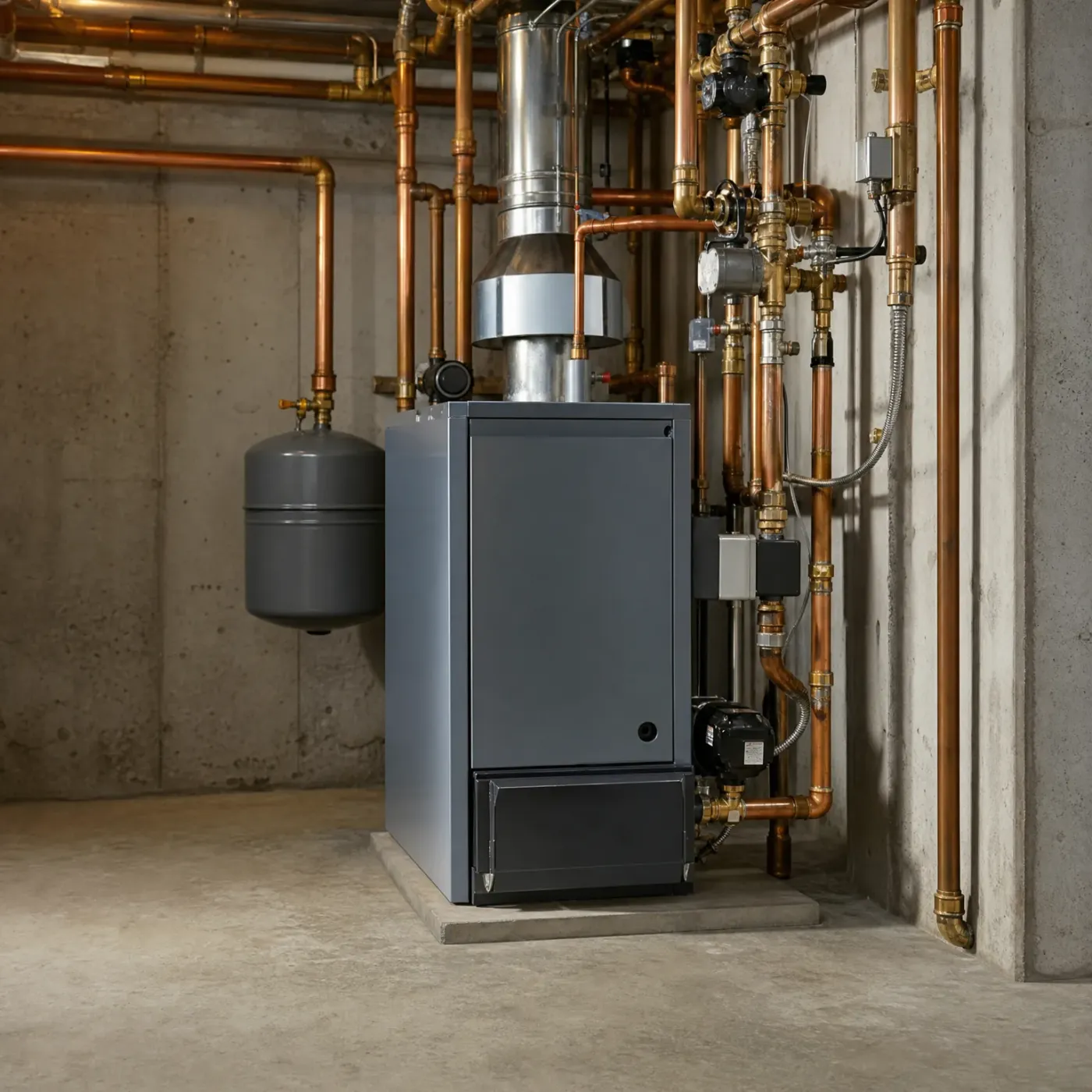
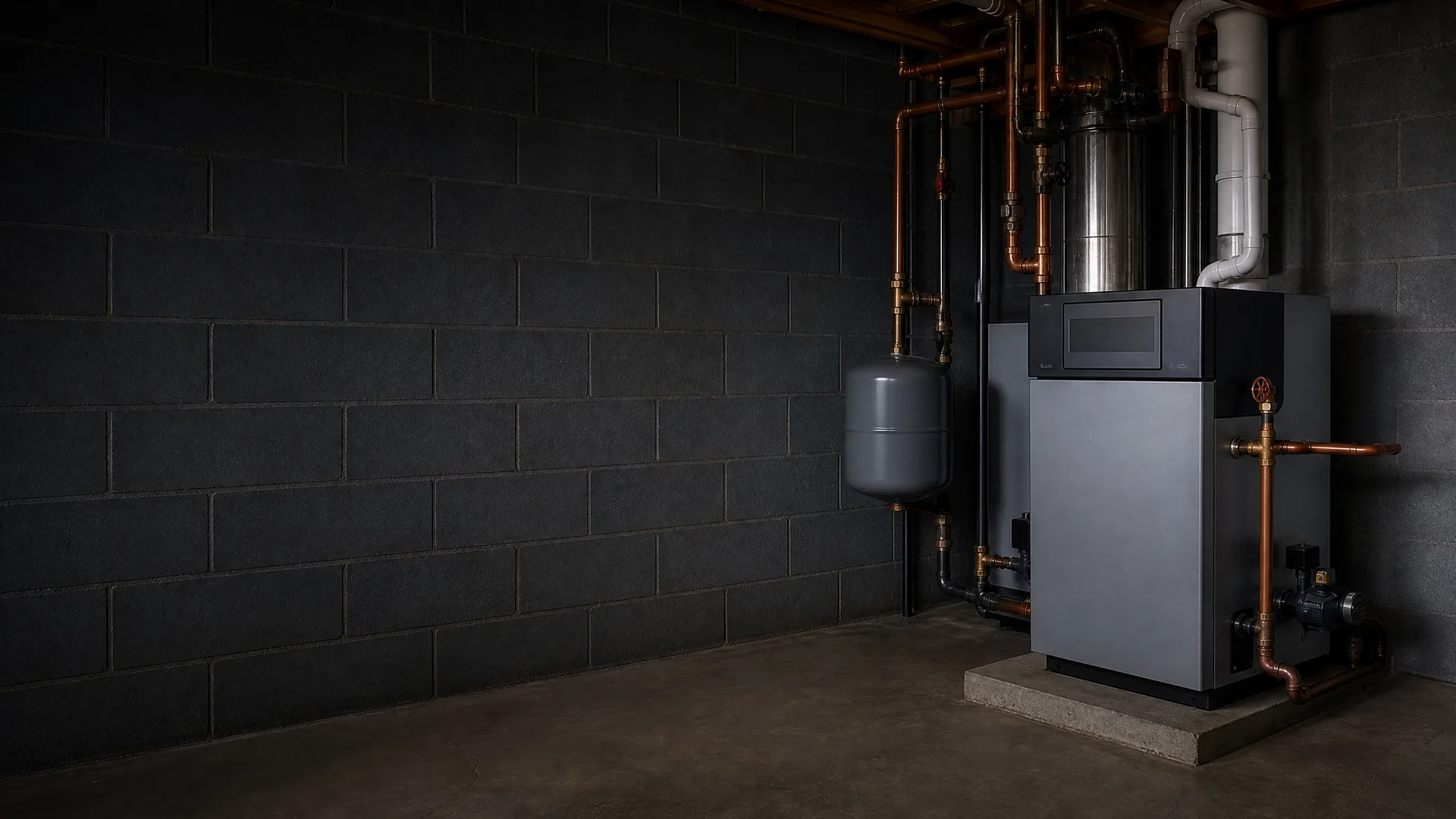
A gray boiler unit with a control panel sits on a concrete pad in a basement room with dark concrete block walls, connected to copper and metal piping, a gray expansion tank, and an insulated flue.

The right pro for this job

Skip searching for a boiler pro and answer a few questions instead.

Step 1 of 3: Equipment